


SPA
SPA Programs in Sanatorium Treatment at European Resorts
Today, SPA is perceived not only as a means of enhancing appearance but also as a way to restore the body and prevent diseases. Such procedures are aimed at relaxation, improving microcirculation, reducing stress levels, and activating the body’s natural regeneration mechanisms.
The main advantage of SPA therapy at resorts lies in the use of natural resources. Let us take a closer look.
Types of SPA Procedures
Modern SPA programs encompass a wide range of therapeutic and wellness methods.
Hydrotherapy
Hydrotherapy is based on the physiological effects of water—its temperature, pressure, and chemical composition. These properties are used to restore blood circulation, relieve pain, and improve metabolic processes.
Hydrotherapy is applied in the form of baths, showers, pools, contrast procedures, and more. Water affects the body in several ways: mechanically (through pressure and flow), thermally (through heat or cold), and chemically (through its mineral composition).
Hydrotherapy procedures are highly valued for their versatility. They are suitable for a variety of purposes — from stress relief and post-exercise recovery to improving skin condition and normalizing the function of internal organs.
Common methods of hydrotherapy at European resorts include:
- mineral and thermal baths;
- underwater massage;
- contrast showers;
- circular showers;
- hydromassage pools.
Each resort specializes in its own hydrotherapy techniques. For example, the French resort of Vichy is famous for its “Vichy showers,” where multiple streams of mineral water gently massage the body, cleansing the skin and relaxing the muscles at the same time. In Mariánské Lázně, Czech Republic, carbonic acid and pearl baths are widely used to enhance circulation and normalize cardiac function.
Massage Techniques
Massage is not only a way to achieve relaxation but also an important therapeutic procedure. Using different massage techniques, specialists can improve blood microcirculation, relieve muscle tension, accelerate tissue recovery, and stimulate metabolic processes. Many methods are also aimed at strengthening the immune system and normalizing the function of the nervous system.
Every culture has contributed its own traditions to the field of SPA massage.
European resorts most often employ classical and lymphatic drainage techniques focused on detoxification, reduction of swelling, and body contour improvement.
In Turkey and Greece, popular methods incorporate elements of Eastern medicine — deep tissue warming, the use of essential oils, and natural balms.
In Austria and Switzerland, “Alpine techniques” are widespread, involving massages with aromatic oils from mountain herbs, stones, and salts, which promote post-exertion recovery and enhance overall well-being.
Popular massage techniques include:
- classical massage — for tension relief and muscle recovery;
- lymphatic drainage massage — to improve lymphatic flow and reduce swelling;
- aromatic massage with essential oils — for relaxation and sleep improvement;
- anti-cellulite massage — for body contouring and skin firmness;
- sports massage — for faster recovery after physical exertion and injury prevention.
In addition, many SPA centers offer massages with hot stones, honey or herbal techniques, as well as Eastern practices such as Thai or Ayurvedic massage.
Aromatherapy
Aromatherapy involves the use of essential oils to restore emotional balance. Essential oils possess a complex chemical structure containing dozens of active compounds. Inhalation of aromas or topical application of oils triggers physiological responses such as relaxation, improved sleep, reduced anxiety, or, conversely, stimulation and increased vitality.
There are several ways to perform aromatherapy: inhalations, massages, baths, aromatic compresses, and body wraps.
Each essential oil has specific properties. Lavender calms and promotes restful sleep, citrus oils energize and uplift the mood, eucalyptus eases breathing during colds, and rosemary stimulates the nervous system. Thanks to such variety, aromatherapy allows for personalized combinations of oils tailored to individual needs.
At resorts, aromatherapy often complements other wellness practices.
For example, at Greek resorts, it is combined with yoga and meditation, while in Italy and France, it is frequently practiced together with music therapy.
Clients relax in specially equipped rooms where soft music is played and the air is infused with the fragrance of essential oils. This combination enhances the therapeutic effect — auditory stimulation harmonizes the emotional background, while aromatic compounds regulate physiological responses of the body.
Mud Therapy
Mud therapy is one of the oldest and most effective methods of sanatorium treatment. It is based on the use of therapeutic mud formed under natural conditions and containing a rich complex of minerals, organic substances, and bioactive compounds.
The types of mud therapy depend on the form of application. The most common include:
- local mud applications;
- general or partial mud baths;
- body wraps with therapeutic mud;
- tampons and other medical forms (as prescribed by a physician).
Therapeutic mud exerts multiple effects. The thermal factor enhances blood and lymph circulation, promoting the elimination of metabolic waste and reduction of swelling. The mineral content stimulates tissue regeneration and joint function, while organic compounds activate the immune system and accelerate healing processes.
At the Italian resorts of Abano Terme and Montecatini, volcanic and peat muds are used for their high mineral concentration. In Greece, marine silt rich in iodine and sulfur is often applied — particularly beneficial for skin conditions and musculoskeletal disorders.
Top European Destinations for SPA and Wellness Holidays
We have identified six countries that have established themselves as leaders in the field of SPA and wellness tourism.
Austria
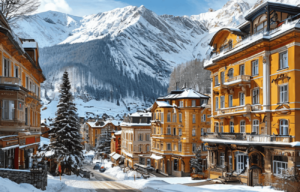
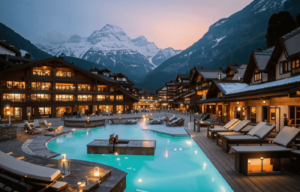
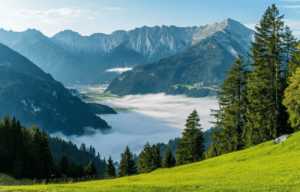
Austria is the land of the Alps, where the mountain climate and crystal-clear air form an essential part of health and wellness programs. Local SPA resorts are renowned for their thermal springs with diverse mineral compositions and unique radon galleries. A stay here combines relaxation in pools and saunas with hiking in the mountains, skiing in winter, and swimming in pristine alpine lakes during summer.
The most famous resort is Bad Gastein, known for its radon therapy conducted in specially equipped galleries carved into the rock. Mild exposure to radon vapors helps reduce joint inflammation, improve respiratory function, and strengthen the immune system. This method is considered unique in Europe, making the resort especially popular among those seeking nontraditional SPA treatments.
In the eastern part of the country, the resorts of Bad Blumau and Bad Loipersdorf are particularly well-known. The former stands out for its extraordinary architecture designed by the famous artist and architect Friedensreich Hundertwasser, while the latter is noted for its modern SPA complexes emphasizing water-based recreation and family wellness.
In Kaprun, located at the foot of the Kitzsteinhorn Glacier, SPA programs are integrated with active outdoor experiences — an ideal destination for those who wish to combine recovery with alpine sports.
Hungary
Hungary is known as the “Land of Baths”, home to more than a thousand thermal springs.
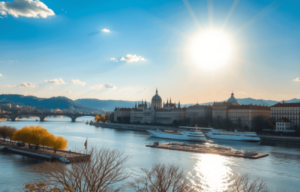
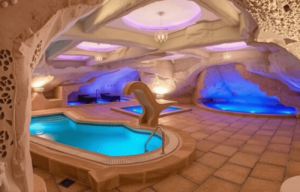
Budapest, the only European capital with dozens of functioning thermal baths, holds a special place. Here, visitors can enjoy historic bath complexes decorated with mosaics and oriental-style domes, where mineral waters are used to treat joint, spine, and skin disorders.
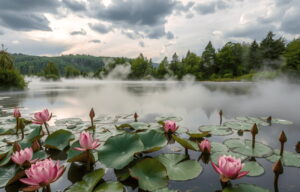
The Hévíz resort is famous for having the largest thermal lake in Europe. Its water contains sulfur, calcium, and magnesium, while the lakebed is covered with healing mud. Bathing in the lake is beneficial for arthritis, osteochondrosis, and musculoskeletal conditions.
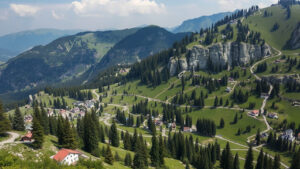
Modern SPA centers have also developed in Sárvár and Bük-Bükfürdő. In Sárvár, treatments focus on skin regeneration and immune support using mineral waters rich in sodium and potassium. Bük-Bükfürdő is known for its pools with calcium- and magnesium-enriched water, particularly beneficial for bones and joints.
TOP hotels
-

 Hévíz, Hungary Hotel Europa Fit 4*S
 -
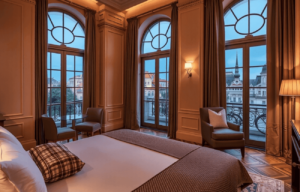 Budapest, Hungary Ensana Thermal Margaret Island Health Spa Hotel 4*S
 -
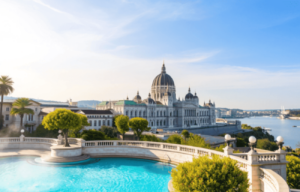 Budapest, Hungary Danubius Hotel Helia 4
 -
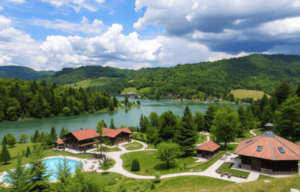 Bük-Bükfürdő, Hungary Greenfield Hotel Golf & Spa 4*
 -
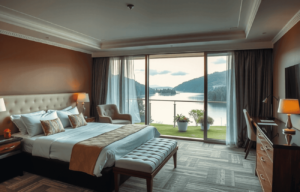 Hévíz, Hungary NaturMed Hotel Carbona 4*S
 -
 Budapest, Hungary Ensana Grand Margaret Island Health Spa Hotel 4*S
 -
 Hévíz, Hungary Ensana Thermal Aqua 4*S Hotel
 -
 Sárvár, Hungary Spirit Hotel Thermal SPA 5*S
 -
 Hévíz, Hungary Lotus Therme Hotel & Spa 5*
Greece
Greece ranks among the leading SPA destinations thanks to its combination of advanced medical infrastructure and natural healing resources. Local mineral springs, rich in sulfur and trace elements, are widely used in comprehensive therapeutic programs, where ancient bathing traditions are blended with modern physiotherapy and rehabilitation techniques.
In Kamena Vourla, thermal centers specialize in treatments based on sulfurous waters, as well as inhalation and hydrotherapy procedures that are particularly effective for joint and respiratory diseases.
Edipsos, one of Europe’s oldest balneological resorts, offers mineral waters reaching temperatures of up to +80 °C, used in baths and pools to stimulate metabolism and strengthen blood vessels. Mud applications are also widely practiced here.
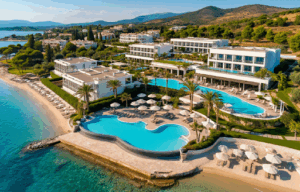
On the Halkidiki Peninsula, the focus shifts toward preventive care and SPA rejuvenation. Hotels offer thalassotherapy treatments using seawater and seaweed wraps that not only improve overall health but also enhance skin appearance and restore body balance.

Cyprus
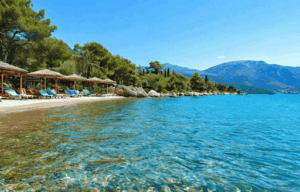
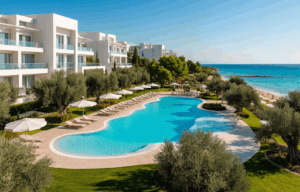
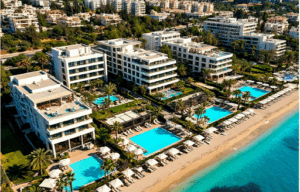
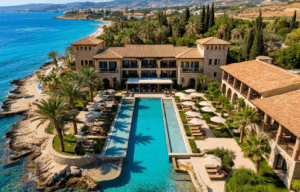
On the island of Cyprus, thalassotherapy holds a central place. In the resorts of Limassol and Paphos, heated seawater pools, marine baths, and seaweed wraps are widely used. These treatments help restore the body’s mineral balance, improve the condition of the skin, hair, and nails, and stimulate metabolism.
Some SPA complexes offer programs using natural muds and healing clays extracted from coastal areas. These are applied in compresses and masks that reduce inflammation and improve local circulation.
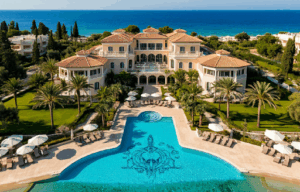
Cypriot SPA centers are also renowned for their atmosphere of tranquility and comfort. Panoramic sea views, gardens filled with citrus trees, and traditional Mediterranean cuisine become an integral part of the wellness experience, enhancing both the therapeutic and relaxation effects.

Switzerland
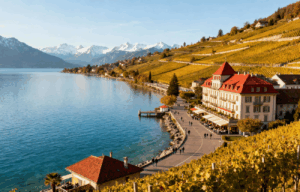
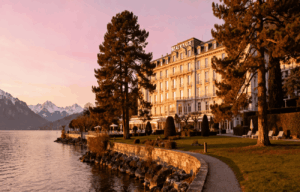
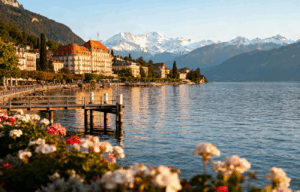
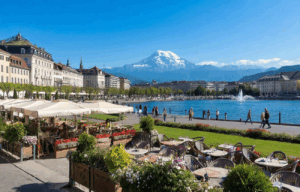
The mountain air, tranquility, and panoramic views of the Alps make Switzerland an ideal country for restoring both physical and emotional balance.
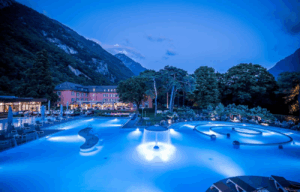
Local SPA centers make extensive use of thermal springs. At the resorts of Bad Ragaz and Yverdon-les-Bains, mineral waters of various temperatures are supplied to pools and baths to strengthen joints, improve blood circulation, and relieve chronic muscle tension.
Swiss wellness centers are also known for their personalized programs, including advanced anti-stress therapies, pressotherapy, and detox treatments. Many hotels complement these with fitness courses, yoga, gymnastics, and breathing exercises conducted in the fresh mountain air.
Hospitality MedService collaborates exclusively with verified resorts, clinics, and hotels that offer optimal conditions for high-quality treatment and wellness. We help clients select the best destination and personalized program tailored to their medical needs, goals, and preferences.