


U.S. Healthcare: Leadership and Quality
The United States is a leader in the field of healthcare. The country is known for its significant investments in healthcare and extensive resources, making treatment in the U.S. highly attractive to patients from different countries. This leadership starts with human resources: more than 14 million people are employed in the American medical sector, accounting for 9.3% of the country’s workforce.
Being a doctor in America is highly prestigious. Local doctors earn significantly more than their colleagues in other countries, which attracts young, talented specialists from around the world. Rigorous selection processes ensure that only the most qualified professionals remain in the field.

Why is Treatment in the U.S. So Popular?
The United States is a popular destination for global medical tourism, and there are reasons for this.
Government Prioritization
The U.S. government places special emphasis on the healthcare sector. According to the WHO, the U.S. ranks first globally in healthcare spending as a percentage of GDP (17.1%) and second in investment in scientific research and development. This helps maintain a high standard of medical services.
High Standards and Innovation
The U.S. leads global innovation in areas such as neurology, organ transplantation, and oncology. For example, the first robot-assisted liver transplant was performed in the U.S., and the country has developed a technology targeting the root cause of Alzheimer’s disease — accumulations of toxic beta-amyloid protein in brain tissue.
Professionalism and Expertise of Physicians
Physicians are among the highest-paid professionals in the U.S. However, rigorous training and continuous professional development are required throughout their careers, ensuring high competency and effective patient care. U.S. training emphasizes technical expertise and crucial soft skills needed for quality medical care.
Capability to Treat Rare and Complex Conditions
Many U.S. medical centers specialize in rare diseases, attracting patients from around the world, often with diagnoses that could not be effectively treated in their home countries.
American Medical Innovations
American scientists are renowned for medical breakthroughs. For example, in 2020, a treatment for sickle cell anemia based on CRISPR gene-editing technology was developed and approved for clinical use. Professor Jennifer Doudna, an American biochemist-geneticist, received the Nobel Prize for her work on CRISPR technology.
Additionally, the U.S. has developed and successfully tested a flexible autonomous robotic catheter capable of navigating within the heart to reach valves, distinguishing muscle walls from connective tissue, and assessing valve condition.
In 2022, the U.S. made headlines with the first successful installation of a brain-computer interface implant, which wirelessly transmits signals to a computer, allowing paralyzed patients to use e-mail, shop online and generally enjoy communication with loved ones despite their condition. The endovascular interface is inserted through a blood vessel at the base of the neck to reach the cerebral cortex. This groundbreaking procedure was performed at Mount Sinai West in New York.
Telemedicine is also being actively implemented in modern U.S. clinics. Sensors are installed in hospitals to collect patient health data, which is transmitted to medical staff or family members through mobile apps or other channels. This allows patients to be discharged sooner while remaining under medical supervision.
Top U.S. Medical Fields
The US maintains leadership across several fields of medicine — from oncology to neurosurgery — where technologies are used that remain unavailable in most other countries.
Oncology
U.S. doctors are proficient in both traditional cancer treatments (chemotherapy, surgical removal) and innovative methods (proton therapy, immunotherapy, biological therapy). In recent years, the country’s oncologists have been focusing on the development of new immunotherapy methods. Thus, in 2020, the effective use of natural killer cells (NK-cell therapy) grown from stem cells became known. According to American scientists, the new therapy enhances resistance to cancer even in advanced stages.
Moreover, robotic oncology surgery is also on the rise. In this approach, operations are performed using advanced robotic systems (Da Vinci or Canady Surgical System) which are operated by skilled surgeons who use special console system to manipulate the instruments from a distance. This technology offers high precision of movements, less surrounding tissue damage, reduced blood loss, and quicker recovery after surgery. To learn more about how robotic surgery works and which other systems besides Da Vinci are used in the U.S., read our article “Robotic Surgery Abroad: Da Vinci, ROSA, ARTEMIS“.
Cerebral Palsy (CP)
Not so long ago, cerebral palsy was considered a diagnosis in which the child was doomed to a life of severe limitations. However, American specialists have made colossal progress in the treatment of this pathology and subsequent rehabilitation. According to the statistic, 85% of patients in leading clinics show improved cognitive and motor functions after initial treatment.
When working with patients with cerebral palsy, doctors use complex programs combining drug therapy, physiotherapy and neurorehabilitation technologies. Increasingly, virtual reality technology is being used to rehabilitate patients so that patients can perform exercises that are specifically tailored to their needs and level of functionality. Virtual reality makes the rehabilitation process more interesting and motivating and contributes to a more effective recovery of motor functions.

Neurosurgery
In the U.S., neurosurgeons are deservedly regarded as some of the best specialists in the world. Thanks to unique surgical techniques, doctors achieve excellent results even in complex cases.
An advanced technology widely used by US neurosurgeons is the CyberKnife system, which combines precision robotics with a scanning and imaging system. With this innovative approach, doctors can treat brain tumors without the need for surgery.
Another well-known technique used in neurosurgery in the US is awake craniotomy – performing brain surgery under local anesthesia. This method allows the patient to remain conscious during surgery, so surgeons can monitor their condition more accurately. In addition, the stereotaxic method is gaining popularity in US neurosurgery, which allows treating hematomas, tumors, brain abscesses, epilepsy and even Parkinson’s disease by inserting the thinnest manipulator instruments into the brain.
Stem Cell Treatment for Autism
Stem cell therapy for autism is being actively researched in the US. This technique aims to improve the condition of children with autism spectrum disorder (ASD), especially in cases where traditional methods are less effective.
The underlying mechanism is the ability of stem cells to reduce inflammation in the brain, repair neuronal connections and improve metabolism in the central nervous system. Scientists suggest that these processes may help improve cognitive function and social skills in children with ASD.
While stem cell therapy cannot Although stem cell therapy cannot completely ‘cure’ autism, it aims to significantly improve the quality of life and support children’s cognitive and social development.
The method is still experimental, but a number of US clinics are already providing stem cell therapy to autistic patients. Parents and doctors of children who have already undergone the procedure are noticing improvements:
- Increased concentration and attention
- Improved speech and cognitive functions
- Development of social skills
Reduction in the frequency and intensity of stereotypical movements and other behavioral manifestations of autism.
It is important to realise that the effect may not appear immediately, but as the stem cells are integrated and their regenerative processes are activated. The results also depend on the individual characteristics of the child and response to therapy.
USA’s most sought-after Clinics
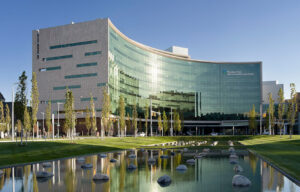

The most sought-after Doctors in USA
-
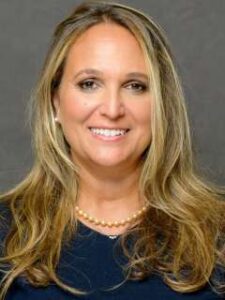
 Marcella Calfon Press
Cardiologist
Marcella Calfon Press
Cardiologist
-
 Tereza T. Soriano
Dermatologist
Tereza T. Soriano
Dermatologist
-
 Viktor V. Nitti
Surgeon
Viktor V. Nitti
Surgeon
-
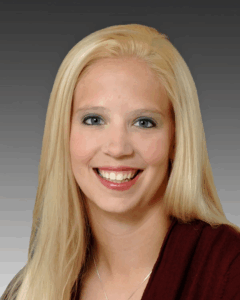 Jennifer Lucas
Dermatologist
Jennifer Lucas
Dermatologist
-
 M. Cecilia Lansang
Endocrinologist
M. Cecilia Lansang
Endocrinologist
-
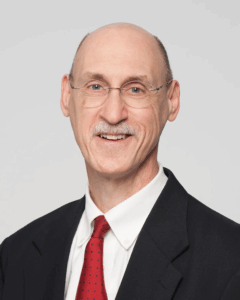 Robert Perhala
Orthopedic Surgeon
Robert Perhala
Orthopedic Surgeon
-
 Mark Aronka
Pediatric Allergist-Immunologist
Mark Aronka
Pediatric Allergist-Immunologist
-
 A. Mark Gillinov
Cardiothoracic Surgeon
A. Mark Gillinov
Cardiothoracic Surgeon
-
 Lars Svensson
Cardiothoracic Surgeon
Lars Svensson
Cardiothoracic Surgeon
Popular destinations for treatment in the USA
Frequently Asked Questions
For short-term treatment (up to 90 days), citizens of European Union countries, as well as Israel, Japan, South Korea, Singapore, and a number of other countries participating in the Visa Waiver Program, only need an electronic ESTA authorization, which can be obtained online. Citizens of other countries, including most nations in Asia and Africa, as well as patients planning treatment longer than 90 days, need a full B-2 visa: a letter from the treating physician in the home country, a confirmation letter from the American clinic, and proof of financial means. The B-2 visa is typically valid for up to 6 months, with the option to extend it using Form I-539. Hospitality MedService helps gather the necessary documents regardless of whether a visa or an ESTA authorization is required.
The cost of treatment in the USA depends primarily on the diagnosis, the scope of medical care, and the number of procedures and examinations required. In addition to the main treatment, the total cost may include diagnostic tests, rehabilitation, and additional medical services.
For example, at Cleveland Clinic in 2026, a CT scan of the brain without contrast costs $734, a CT scan of the abdomen and pelvis with contrast costs $2,464, and an MRI of the brain with or without contrast costs $734.
For certain conditions, rehabilitation makes up a significant share of the expenses. For instance, in the treatment of cerebral palsy, a single physical therapy session with an assessment and report costs $258, gait training costs $228, therapeutic exercises cost $234 per 15 minutes, and group therapy costs $936.
These figures are the clinic’s base rates before insurance coverage or financial assistance programs are applied. The actual cost of treatment for a specific patient may vary depending on insurance terms, the scope of care, and payment arrangements agreed with the clinic.
When planning treatment abroad, related expenses should also be taken into account: accommodation, flights, transfers, visa processing, and translation of medical documents.
The exact cost of treatment can only be determined after a review of the patient’s medical records. Hospitality MedService requests a preliminary estimate from the clinic before the patient’s trip and helps prepare the necessary medical documentation.
Yes. Hospitality MedService arranges a written or video “second opinion” consultation based on the patient’s existing medical records. This is a useful first step when it comes to verifying a diagnosis or treatment plan before deciding whether a trip is worthwhile.
No — systems such as the Da Vinci or Canady Surgical System do not operate autonomously: the surgeon controls the instruments remotely from a console, and the robot only carries out precise movements. This reduces blood loss, lowers the risk of tissue damage, and speeds up recovery compared with open surgery.
No. Hospitality MedService supports the patient at every stage: translating medical documentation into English for the clinic, corresponding with the clinic’s coordinators, and arranging a professional medical interpreter for in-person appointments with doctors.
When a diagnosis remains unclear, a condition is rare, or prescribed treatment isn’t producing the expected results, a second opinion from an American specialist can help clarify the diagnosis and determine the next steps. Leading US medical centers accept patients with complex and rare conditions and offer remote consultations based on medical records.
Treatment in the USA can begin even before travel — with an online consultation. The doctor reviews the medical history, test results, and scans, assesses the accuracy of the diagnosis and any treatment already received, and determines whether further tests are needed and whether an in-person consultation is advisable.
Hospitality MedService selects a specialist and clinic based on the specific diagnosis, prepares medical documentation in English, and fully coordinates the consultation — from scheduling to receiving the doctor’s report.
Hospitality Medservice: Your Trusted Partner in Finding the Best Clinics Worldwide. Our platform features only accredited medical facilities equipped with advanced technologies and the latest treatment protocols. Compare clinic standards, meet experienced doctors, evaluate treatment costs, and rely on us to help organize:
- Medical travel
- In-person consultations
- Video consultations
- Second opinions
Submit a request on our website, and our medical coordinator will promptly get in touch with you.
Leave a request for a free consultation.
A coordinator will contact you as soon as possible

*Illustrations in this article are created using artificial intelligence and are for illustrative purposes only. These images are not photographs of specific clinics, doctors, or patients, but are used to visually represent the procedures and treatment areas described.