


Treatment in China: Key Medical Fields and Features of the “Middle Kingdom’s” Healthcare System
Chinese medicine is becoming increasingly sought-after due to its integrated approach to treatment, which delivers exceptional results. The traditions of Asian practices, which have proven their worth over thousands of years, are skilfully combined here with the latest Western developments.
The Chinese Medical Tourism Association oversees matters related to foreign patients. This organization supervises health tourism in China and ensures the quality of provided services. The association’s oversight offers comprehensive protection for international patients and guarantees high-quality treatment in line with international standards.
Why Patients Choose Treatment in China
Over the past 20 years, Chinese healthcare has advanced at an unprecedented pace, with modern public and private hospitals emerging in cities thanks to significant financial investments. Approximately one million patients visit the People’s Republic of China annually for treatment. Key advantages include:
Highly qualified medical professionals: Chinese doctors are on par with their European and American colleagues. The Chinese government spends tens of millions of dollars annually to send medical students to top universities worldwide.
Innovative medical equipment: Alongside South Korea and Japan, China is a leader in the production of high-tech medical equipment. Chinese hospitals are equipped with state-of-the-art devices for diagnosis and treatment of various diseases.
Robotic technologies: A significant percentage of the world’s robotics are concentrated in China. The country produces robots specializing in cleaning and disinfection, which play a critical role in medical centers by maintaining microbial control and preventing nosocomial infections.
Cost-effective pricing: The cost of services in Chinese hospitals, both public and private, is 30-50% lower than in European hospitals of the same standard.
Access to traditional medicine: Today, international treatment protocols form the foundation of Chinese healthcare. However, they are supplemented by thousand-year-old traditional methods such as Gua Sha massage, herbal medicine, Qigong, stone therapy, and vacuum therapy, offering substantial benefits to patients, particularly during rehabilitation.
High-quality service: Respect for the patient is an integral part of China’s ancient culture. Those coming for treatment can expect polite interactions and adherence to all ethical norms.

China’s Scientific and Research Base
Modern infrastructure allows here to successfully design and implement in practical medicine the developments of talented students and teachers.
Additionally, China is a recognized leader in bioengineering, a field dedicated to applying technical approaches in medicine. Key achievements of this ever-evolving science include the development of artificial joints, pacemakers, prosthetics, and devices for artificial blood circulation.
Innovative Directions in Chinese Medicine
Cerebral Palsy (CP)
Cerebral palsy, a condition causing motor impairments in children, has led to the development of numerous treatment methods worldwide. China applies the most effective of these, earning its position as a global leader in CP treatment.
Specialized programs combining traditional Chinese medical practices and advanced stem cell therapy are used to assist young patients. Leading experts in Chinese clinics believe that most children with CP can be helped: the earlier the treatment begins, the better the expected outcomes. Rehabilitation centers accept patients as young as one month old, even before a definitive diagnosis is made in their home countries.

Treatment uniquely combines two proven approaches — Western and Chinese medicine — with the most effective strategies including:
Pharmacotherapy: Use of next-generation nootropics and anticonvulsants with strong evidence bases in China.
Stem cell therapy: Aimed at restoring damaged brain tissues through stem cell stimulation. Chinese specialists focus on addressing the root cause rather than just the symptoms, prioritizing affected brain regions. Improvements such as enhanced cognitive function, reduced strabismus, and increased muscle mass are often noticeable after the first procedure, with further progress seen within a year. Read more about how this technology is used in medicine in our article on stem cell treatment.
Acupuncture: This traditional Chinese therapy involves inserting thin needles into specific areas on the skin. This technique, passed down through generations, is a treasure trove in CP treatment, supporting other methods and boosting the immune system while providing anti-inflammatory benefits.
Transcranial magnetic stimulation (TMS): Electromagnetic pulses target specific brain areas to stimulate nerve cells and restore brain function. As a leader in bioengineering, China employs the latest-generation magnets for even greater efficacy.
Additional methods include occupational therapy, psychotherapy, hydrotherapy, and diet therapy to ensure a comprehensive recovery process.
Rehabilitation
Rehabilitation after illness, injury, or surgery is as important as the treatment itself. It consolidates therapeutic results and helps patients return to a quality life. China’s top clinics offer modern, multidisciplinary approaches with the support of specially trained rehabilitation therapists.
Specialized rehabilitation programs include:
- Therapeutic exercises tailored to individual needs
- Massages of various types (e.g., acupressure or therapeutic)
- Aquatic therapy sessions to reduce strain (particularly for musculoskeletal disorders)
- Exercises on advanced rehabilitation equipment
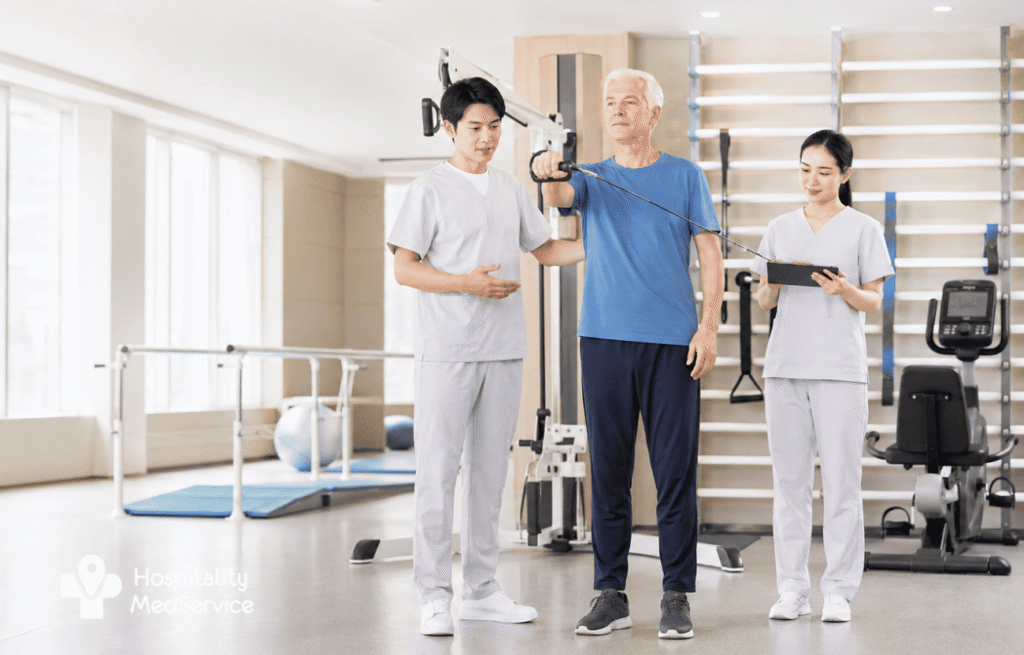
Rehabilitation plans are highly flexible and adjusted to each patient’s specific complaints. Chinese doctors restore mobility in spinal and joint surgeries and help patients recover functions lost after strokes. Treatment protocols consider both the underlying disease and its root cause. For example, in stroke patients, it is crucial to differentiate between hemorrhagic and ischemic strokes to determine the cause of the cerebrovascular disorder.
Traditional Chinese Medicine in Practice
All cellular functions depend on nerve impulses and hormones. If you affect the neuroendocrine system in the right way, you can change the way you feel and your overall health: relieve muscle tension, pain and discomfort. Skilled Chinese rehabilitation therapists use their knowledge of biologically active spots to determine the appropriate depth and method for therapy.
Currently, three international centers for traditional Chinese medicine training, initiated by the World Health Organization (WHO), host thousands of specialists from around the globe. This combination of modern protocols and centuries-old practices is one of the reasons China ranks among the leading medical tourism destinations. For more on this, read our article «New Destinations in Medical Travel: What to Choose — UAE, South Korea, India, or China?».
Neurology
Neurological disorders are increasingly prevalent worldwide. According to the Medical Device Institute, China’s expenditure on neurological conditions grows by 10% annually.
Foreign patients frequently seek treatment for stroke, amyotrophic lateral sclerosis (ALS), Alzheimer’s disease, dementia, and traumatic brain and spinal cord injuries in China.
China uses robotic systems such as Remebot for neurosurgery, stem cells derived from bone marrow for multiple sclerosis treatment, and hRPE cells to treat Parkinson’s disease.
Leading university-affiliated clinics treat strokes with hematopoietic cells and develop CRISPR genome-editing technology for Alzheimer’s therapy at neuroscience institutes.
China’s status as a major market for global healthcare companies ensures that neurosurgery departments use state-of-the-art equipment for diagnosis and treatment, including Zeiss microscopes, Storz endoscopic systems, and unique intraoperative neuro-monitoring systems like Xltec.
Artificial Intelligence in Chinese Medicine
AI is being used to solve many problems in modern medicine. The Clinical Decision Support System (CDSS), based on medical records from leading hospitals, was recently introduced in China and has already been labeled as a “system that changes the world for the better.” It allows doctors to quickly access patient symptoms and treatment methods, significantly accelerating the therapeutic process.
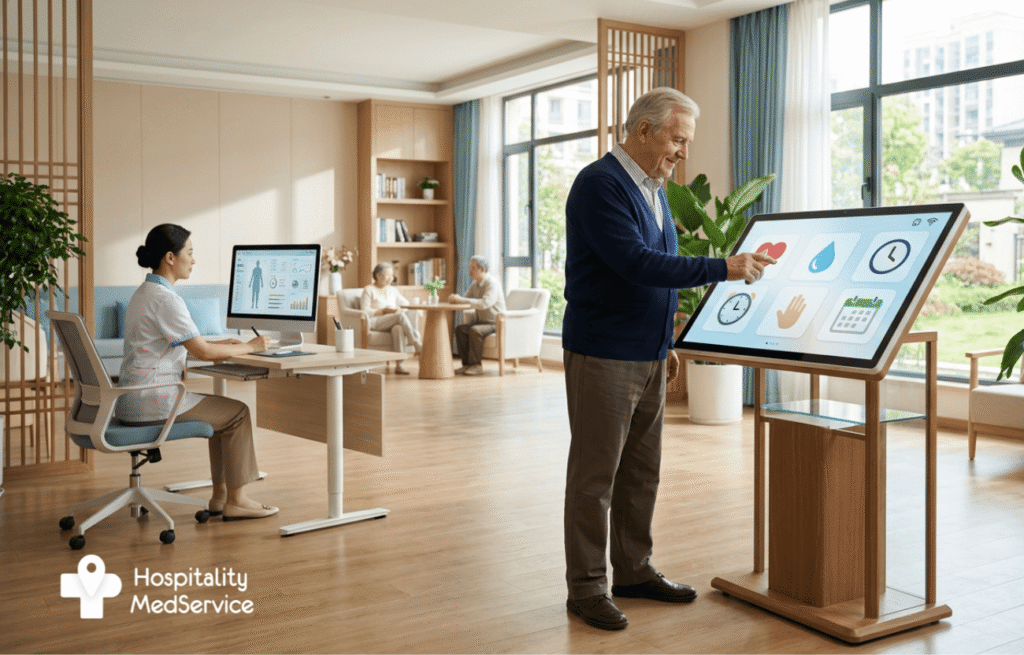
Another challenge of current trends is the growing number of elderly population. According to the China Development Foundation, the number of aging individuals in China is steadily increasing, projected to reach 30% within two decades. To address this, AI-based displays with computer vision and voice assistants provide health advice, alleviating medical staff workloads and prioritizing patients requiring urgent care.
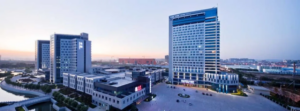
The most sought-after Doctors in China
-
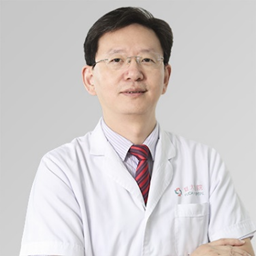
 Niu Lichi
Cardiac Surgeon
Niu Lichi
Cardiac Surgeon
-
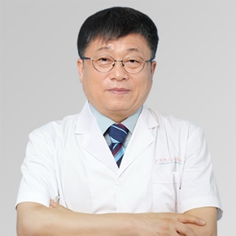 Shan Jianbiao
Oncology
Shan Jianbiao
Oncology
-
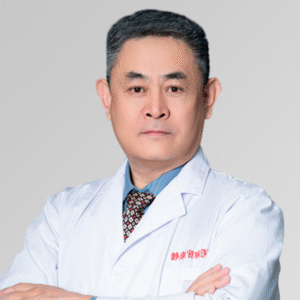 Wan Temin
Nephrologist
Wan Temin
Nephrologist
-
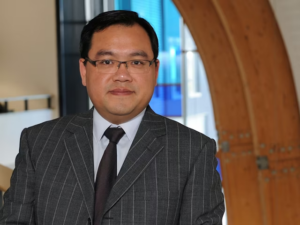 Professor Liang Han
Oncologist
Professor Liang Han
Oncologist
-
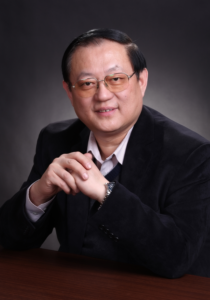 Doctor Li Liming
Urologic Oncologist
Doctor Li Liming
Urologic Oncologist
-
 Doctor Pan Lekang
Oncologist-Mammologist
Doctor Pan Lekang
Oncologist-Mammologist
-
 Professor Wu Dongfang
Cardiologist
Professor Wu Dongfang
Cardiologist
-
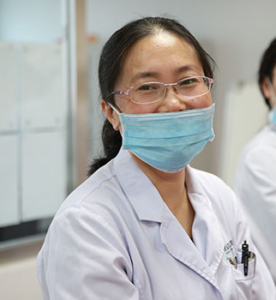 Doctor Gao Fengying
Pediatric Neonatologist
Doctor Gao Fengying
Pediatric Neonatologist
-
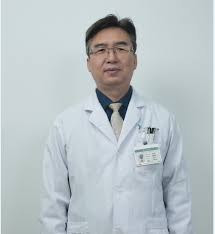 Professor Zhu Guangchang
Cardiovascular Surgeon
Professor Zhu Guangchang
Cardiovascular Surgeon
-
 Professor Lu Changlin
Cardiologist
Professor Lu Changlin
Cardiologist
Popular destinations for treatment in China
Frequently Asked Questions
China is one of the world leaders in the development and clinical application of innovative medical technologies, including stem cell therapy for cerebral palsy, neurosurgical procedures performed using the Remebot robotic surgical system, as well as artificial intelligence—based diagnostics and treatment (CDSS) and CRISPR gene editing for Alzheimer’s disease. At the same time, the cost of treatment at Chinese hospitals is typically 30-50% lower than in Europe and the United States, while offering a comparable level of medical technology and equipment.
The cost depends on the diagnosis, hospital, and type of treatment. For example, a course of stem cell therapy for neurological and orthopedic conditions typically costs between USD 10,000 and USD 30,000. CAR T-cell therapy for hematological malignancies is more expensive, ranging from USD 50,000 to USD 150,000 per course, depending on whether a Chinese-manufactured or imported product is used.
For comparison, hip replacement surgery costs approximately USD 6,000-10,000, while knee replacement surgery costs around USD 5,000—8,000. With a comparable level of medical care, treatment in China is generally 30-50% less expensive than in Europe and the United States.
The exact cost can only be determined after reviewing the patient’s medical records. Hospitality MedService requests a preliminary treatment estimate from the hospital before the patient’s trip.
For medical treatment in China lasting up to 30 days (such as consultations and minor procedures), a regular tourist visa or visa-free entry may generally be sufficient if the patient’s nationality is included in the relevant visa-exemption list.
For longer-term or more complex treatment, an S-category visa may be required: S2 for stays of up to 180 days and S1 for stays exceeding 180 days.
The basis for the application is an official invitation from a licensed Chinese medical institution, issued on the institution’s letterhead and specifying the diagnosis, duration, and purpose of the visit, as well as confirmation that the patient has sufficient funds to cover the cost of treatment. Hospitality MedService assists patients in preparing the required documents for the visa application.
Yes. At Chinese hospitals, rehabilitation programs are often designed to combine Western medical protocols with traditional Chinese medicine techniques, including Gua Sha massage, herbal medicine, Qigong, stone therapy, and cupping therapy.
This integrated approach is particularly popular during recovery after surgery or stroke, as well as as part of long-term treatment programs for cerebral palsy. Hospitality MedService coordinates the rehabilitation program with the hospital in advance, taking into account the patient’s medical condition and individual preferences.
Yes. A patient does not necessarily need to travel to China immediately for an initial assessment. Hospitality MedService can arrange a video consultation with a specialist or obtain a second medical opinion based on the patient’s existing medical records.
This helps determine whether a particular hospital and treatment method are suitable for the patient’s specific case and allows the trip to be planned in advance.
Hospitality Medservice: Your Trusted Partner in Finding the Best Clinics Worldwide. Our platform features only accredited medical facilities equipped with advanced technologies and the latest treatment protocols. Compare clinic standards, meet experienced doctors, evaluate treatment costs, and rely on us to help organize:
- Medical travel
- In-person consultations
- Video consultations
- Second opinions
Submit a request on our website, and our medical coordinator will promptly get in touch with you.
Leave a request for a free consultation.
A coordinator will contact you as soon as possible

*Illustrations in this article are created using artificial intelligence and are for illustrative purposes only. These images are not photographs of specific clinics, doctors, or patients, but are used to visually represent the procedures and treatment areas described.