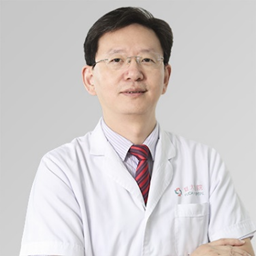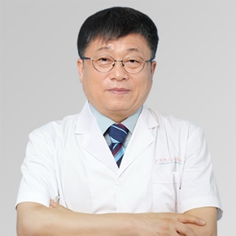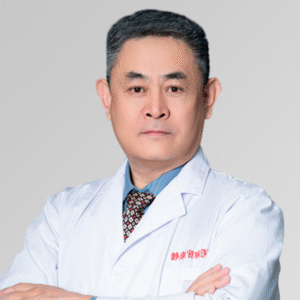


 Guangzhou Fuda Oncology Hospital at Jinan University

About the Clinic


Over 10,000 patients from more than 100 countries around the world have successfully received treatment here
Specializes in minimally invasive cancer treatment
The clinic’s doctors conduct video consultations
Guangzhou Fuda Oncology Hospital at Jinan University was founded in 2003 by Professor Xu Kechen, whose achievements are highly valued by China’s national healthcare system. Additionally, the clinic holds international JCI accreditation—an internationally recognized standard of quality and patient safety.
The clinic specializes in minimally invasive treatment of stage III-IV malignant tumors and is a global leader in cancer cryoablation. Fuda was the first to demonstrate nano-knife ablation and has accumulated significant clinical experience with favorable outcomes. Patient survival rates range from 70% to 80%. The choice of cancer treatment protocol depends on the histological type of the tumor, its genetic profile, and the patient’s individual characteristics in general. That is why Fuda’s specialists work collegially, selecting and personalizing therapy plans for each patient.
The uniqueness of Fuda lies in its “3C+P” treatment model, which combines cryosurgery, microvascular interventional therapy, combined immunotherapy, and a personalized approach. This enables doctors to effectively fight tumors that are often considered inoperable at other medical facilities.
Special attention at the clinic is paid to treating liver, lung, breast, and gastrointestinal cancers. In liver cancer treatment, it is important not only to target the tumor but also to preserve organ function, surrounding tissues, and structures as much as possible. In such cases, doctors often use HAIC (Hepatic Arterial Infusion Chemotherapy)—a prolonged chemotherapy administered via a catheter directly inserted into the hepatic artery. The combination of HAIC with modern targeted and immunotherapy increases the drug concentration in tumor tissues by several times while significantly reducing the overall burden on the body.
For patients with central lung cancer or concomitant COPD, classic surgery is an unacceptable risk. At Fuda, cryoablation is often used in such cases. The tumor is frozen to a critically low temperature through a small puncture, minimizing trauma to the organ itself. This procedure is often combined with microvascular interventional therapy (CMI), where tiny capsules containing chemotherapy drugs are delivered directly to the tumor via the arterial system, almost without affecting healthy tissues.
One key method for breast cancer treatment at Fuda is brachytherapy with iodine-125. Needles are used to implant radioactive “seeds” into the tumor, which irradiate it from the inside, precisely, over the course of several months. Thanks to its gentle effect on surrounding tissues (skin and healthy breast tissue), doctors can significantly reduce the tumor size and subsequently perform organ-preserving surgery instead of radical removal.
Pancreatic cancer is one of the most difficult diagnoses to treat, as tumors often encase vital vessels, making surgery impossible. Fuda is a leader in China in applying nano-knife technology for pancreatic cancer. Microelectrodes are directed to the tumor, and a series of powerful but ultra-short electrical pulses destroy cancer cells while leaving connective tissue of blood vessels and ducts untouched. This method offers a chance for successful treatment to patients with localized, but inoperable tumors.
For example, the longest survival period among patients with stage IV pancreatic cancer treated at Fuda is 15 years. The hospital treats patients of all ages: the oldest was 93, the youngest was 11 months old.
Fuda takes on the most complex cases. The hospital’s doctors performed surgery to remove a giant facial tumor from the Chinese “Elephant man.” The tumor weighed 10 kg, making it the largest facial tumor in medical history.