


Why Patients from Around the World Choose Turkish Medicine: Popular Directions and Innovations
Turkey is a unique country that has managed to eliminate its stereotype as merely a resort destination. Thanks to the rapid development of healthcare in recent years, Turkey has ranked among the top ten countries for treatment and diagnostics.
European clinics now recognize Turkey as a new partner in healthcare and a hub for medical tourism. According to the Medical Tourism Index, approximately 700,000 patients choose Turkish hospitals annually for therapy.

Advantages of Turkish Clinics
The popularity of Turkish clinics among international patients is due to high-quality and affordable healthcare. The country boasts over 1,200 hospitals, most of which are of the highest standard. Key aspects include:
- Presence of JCI-accredited clinics: According to the International Journal of Medical Tourism, 33 clinics in Turkey have Joint Commission International (JCI) accreditation, a testament to their state-of-the-art facilities, highly skilled physicians, and excellent service. For comparison, Israel has only 10 JCI-accredited hospitals, while South Korea has 9.
- Strategic geographic location: Positioned at the crossroads of Europe and Asia, Turkey serves as a central hub easily accessible via direct flights from most countries.
- Affordable treatment costs: Medical services in Turkey are 30-40% less expensive than in Europe or the U.S., without compromising on quality. Comprehensive treatment programs and packages are also available.
- Superior service levels: International patients benefit from transfer services, accommodations for accompanying family members, 24/7 interpretation assistance, and comfortable inpatient rooms.
Highly Qualified Specialists in Turkish Clinics
Leading hospitals have a staff of experienced professionals with thousands of surgeries and complex cases under their belt. All Turkish physicians carry professional liability insurance. Activities related to medical tourism are strictly regulated by Turkey’s Ministry of Health under national law.
Many top doctors have trained at prestigious European hospitals, and specialists in fields such as oncology, orthopedics, urology, and epileptology are recognized internationally for their expertise. They also serve as consultants for colleagues from other regions.
Treatment Protocols and Drug Availability
Turkish doctors take a personalized approach, developing treatment plans tailored to the specific needs of each patient, while adhering to international and European protocols.
In the CIS countries, essential medications are not always available. In contrast, Turkey offers a significantly broader range of registered pharmaceuticals. For cancer patients, over 70 types of drugs for targeted and immunotherapy are accessible.
Innovations in Popular Specialties
Turkish clinics systematically invest in high-tech equipment and adopt techniques that remain unavailable in many countries across Europe and the CIS. Below are the areas where these innovations stand out most — from radiosurgery in oncology to robotic-assisted procedures in orthopedics and urology.
Oncology
Oncology ranks first among specialties sought by international patients. The most common reasons for medical travel to Turkey include the treatment of:
- Brain and spinal cord tumors
- Breast cancer
- Gastrointestinal and lung cancers
Turkish oncologists follow modern NCCN protocols and customize treatment plans based on tumor type, size, and the presence of metastases.
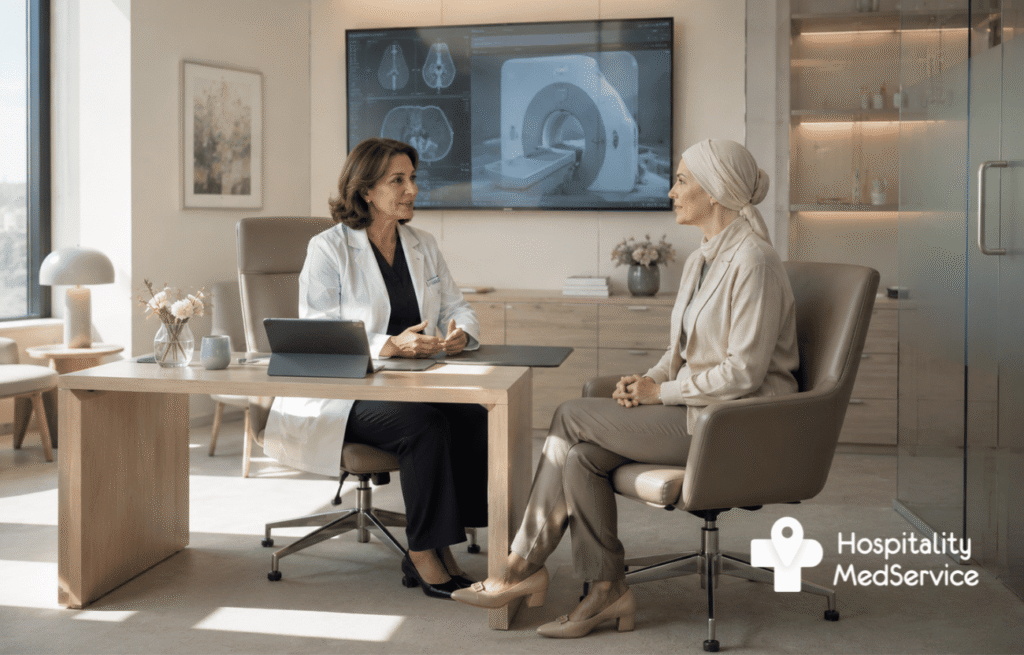
Leading cancer hospitals maintain donor bone marrow databases to expedite transplant procedures. Turkey’s top hemato-oncologists boast over 20 years of experience and have performed more than 1,000 bone marrow transplants.
Scientists at Turkey’s Oncology Research Institute have developed, for the first time in the world, a treatment method combining vaccination and chemotherapy. The head of the laboratory, Professor Hakan Akbulut, is confident this new development will change the approach to cancer treatment. This approach delivers chemotherapy directly into the tumor, minimizing systemic side effects.
Innovative technologies such as liquid biopsy (CTC) are used to detect circulating tumor cells or DNA fragments in the bloodstream.
State-of-the-art equipment meeting global standards is used in cancer therapy. For radiosurgery, oncologists utilize Gamma Knife and CyberKnife systems to deliver precise radiation doses in a single session.
Advanced hospitals feature next-generation linear accelerators like VersaHD and TrueBeam STX, enabling targeted radiation therapy while protecting healthy tissues.
Orthopedics
Orthopedics is another leading specialty for international patients seeking treatment in Turkey. Top clinics are renowned for their expertise and cutting-edge technologies.
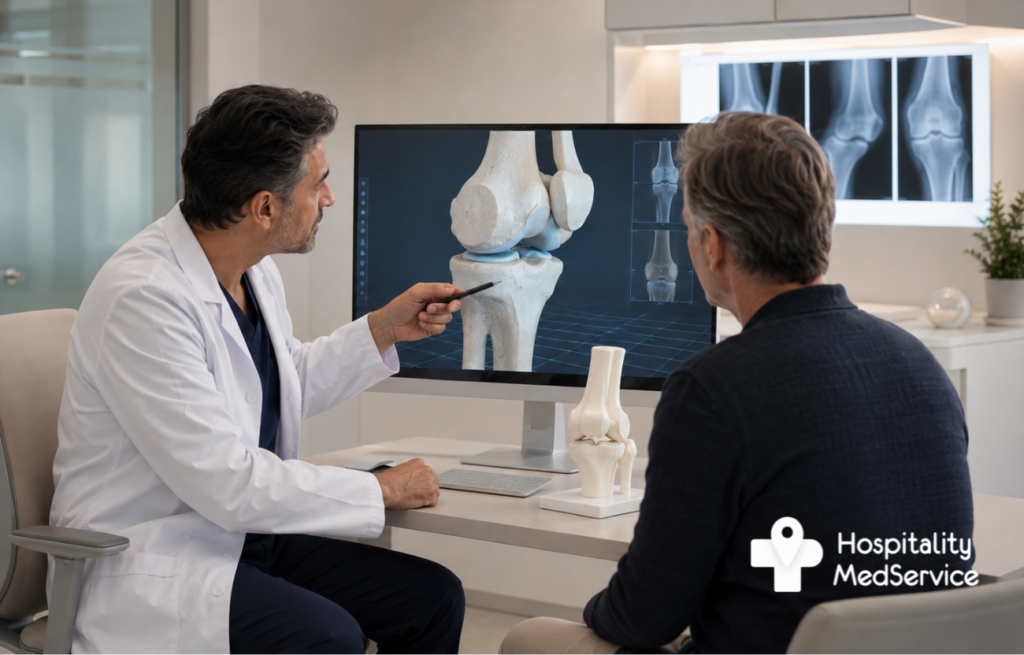
The most sought-after treatments for the musculoskeletal system include:
- Joint treatment and replacement: Customized prostheses are created using 3D modeling programs, reducing surgery time and recovery periods.
- Spinal surgery: Robotic systems like Cirq allow precise navigation of surgical instruments. To do this, the doctor loads a 3D image into the Cirq and gives instructions on where to place the screws. The robot calculates the optimum parameters for the future hole and guides the control arm to the appropriate position so that it cannot be moved. This allows the orthopedic surgeon to concentrate directly on the drilling and screw insertion process.
- Pediatric and sports orthopedics: Turkish clinics have introduced the latest Magec Rod technology, which makes it possible to avoid repeated operations in young patients. This rod system can be shortened or lengthened using a control panel based on magnetic technology. Children with scoliosis can now be treated in less than three years, whereas previously it could take up to 10 years to change the position of the vertebrae.
Urology
Turkey offers high-quality, cost-effective alternatives to European countries like Switzerland and Germany for treating prostate adenoma and other urological conditions.
World-renowned urologists in Turkey perform thousands of robotic-assisted surgeries using the Da Vinci Surgical System, achieving success rates among the highest globally.
Erectile dysfunction is an urological pathology worthy of increased attention. The cause of sexual dysfunction is, among other things, stress, which in the modern world cannot be avoided. According to the World Health Organisation, 2 out of 10 men over 40 suffer from sexual impotence. Clinics specialising in erectile dysfunction treatment use innovative technologies in both medical and surgical treatment. Leading urologists from Turkey use penile prosthetics to correct congenital or acquired penile defects, which is currently one of the most advanced in the world.
Ultra-modern implants do not affect genital sensitivity and ejaculation. The materials from which they are made are biocompatible, so the risk of rejection by the body is minimal. Penile prosthetics in Istanbul is the gold standard for the treatment of patients who do not respond to drug therapy.
Epileptology
According to WHO, the global incidence of epilepsy continues to rise, with 50 million new cases annually. Turkey invests in training epilepsy specialists to meet increasing patient demand.
The treatment of complex neurological diseases, especially epilepsy, requires an individual approach, a thorough determination of the underlying causes, and the selection of the most effective treatment. The qualification of Turkish epileptologists allows them to treat the most difficult cases accompanied by frequent convulsive seizures or epistatus.
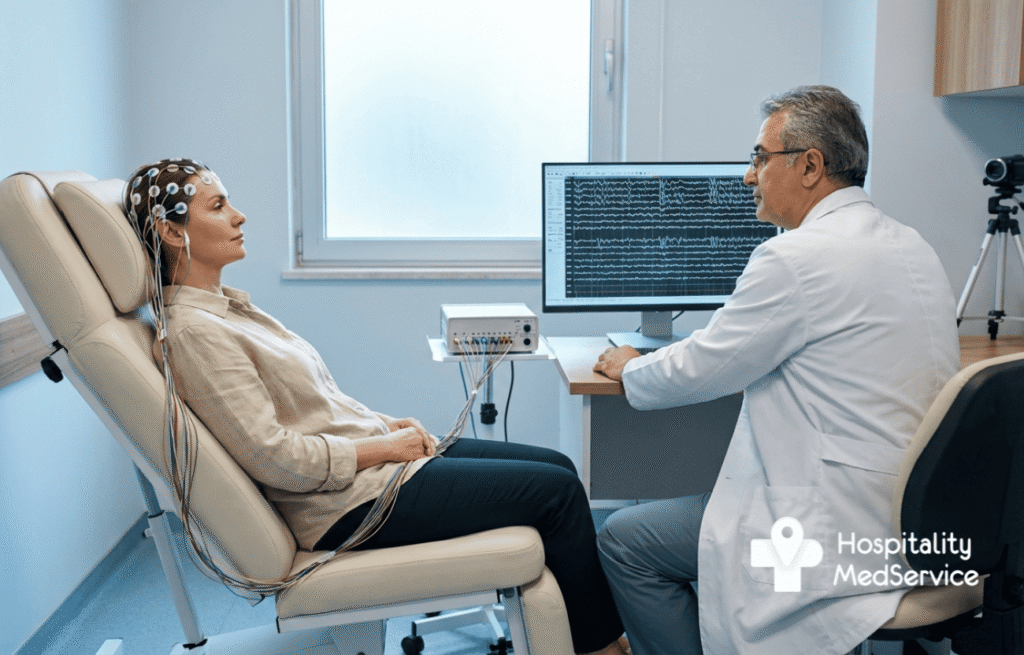
Turkish epileptologists utilize advanced methods like vagus nerve stimulation (VNS) and deep brain stimulation (DBS). Electrodes placed on the vagus nerve or directly in epileptogenic zones regulate neuroactivity.
Leading hospitals employ an integrative therapeutic approach involving teamwork. The treatment plan is developed individually for each patient at a consilium of accredited epileptologists, neurologists, neurosurgeons, nutritionists and psychologists. It is important not only to prescribe antiepileptic treatment, but also to adjust lifestyle by removing triggering factors.
Organ Transplantation
Liver transplantation is an effective and often the only radical treatment method for patients with severe forms of hepatitis and cirrhosis. The organ is transplanted from a living donor, which makes the procedure highly complex.
Turkey ranks second in the world after the United States by the number of liver transplants performed each year. Outcomes are among the best globally: according to the World Health Organization, one-year survival after transplantation reaches 95-98%.
A key feature of Turkish transplantology is the use of a spouse, relative, or close friend as a living donor. This significantly speeds up the transplant process, as there is no need to wait for a matching donor organ from a bank.
Surgeons performing complex transplants have many years of experience and are members of international associations of surgeons and transplantologists. They perform around 5,000 operations a year, a significant share of which are for patients arriving from other countries.
In terms of procedure volume and survival rates, Turkish transplant medicine today competes with leading clinics across Europe and Asia. For more on how medicine differs between these regions, read our article «For Diagnostics and Treatment: Europe or Asia?».
Artificial Intelligence in Turkish Medicine
AI applications are revolutionizing healthcare in Turkey. Researchers collaborate with IT specialists to develop programs enhancing patient care and optimizing treatment processes.
Turkish Professor Ali Erturk, head of the Tissue Engineering Institute, has spent several years developing “transparent visualization” technology for cancer research. Professor Ali Erturk, head of the Tissue Engineering Institute, has developed “transparent visualization” technology for cancer research. By making tissues and even entire organisms transparent, this innovation helps detect micro-tumors.
Combined with AI, this technology accelerates research on cancer and Alzheimer’s disease, reducing timelines from years to hours.
The most sought-after Clinics in Turkey
-
 Bursa, Turkey
Doruk Nilüfer Hospital
-
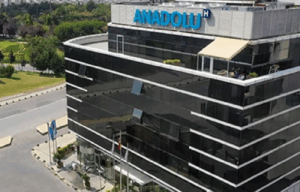 Gebze, Turkey
Anadolu Clinic
-
 Istanbul, Turkey
Istanbul Florence Nightingale Hospital
-
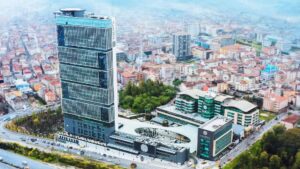 Istanbul, Turkey
Medipol Mega University Hospital
-
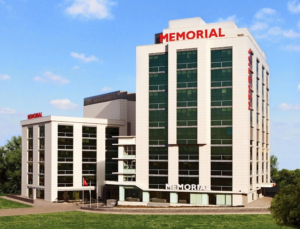 Istanbul, Turkey
Memorial Ataşehir Clinic
-
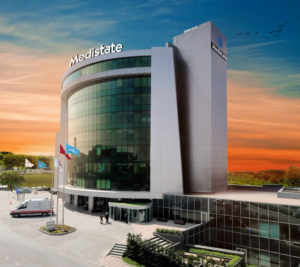 Istanbul, Turkey
Medistate International Hospital
-
 Instanbul, Turkey
Moodist Hospital
-
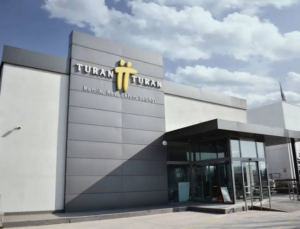 Bursa, Turkey
Group of orthopedic clinics Turan & Turan Health Group
-
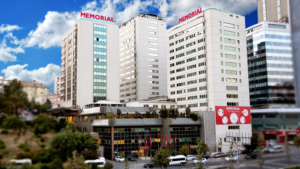 Istanbul, Turkey
Hospital Memorial Şişli
Most Sought-After Doctors in Turkey
-
 Doctor Dilvin Celik Ates
Hematologist-Oncologist
-
 Doctor Sule Gungor
Dermatologist
-
 Doctor Ali Guven Yorukoglu
Neurosurgeon
-
 Doctor Alaeddin Civik
Pediatric Surgeon
-
 Doctor Sezer Saglam
Oncologist
-
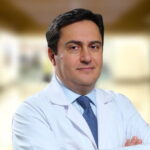 Doctor Fatih Atug
Urologist
-
 Doctor Nuri Delikara
Obstetrician-Gynecologist
-
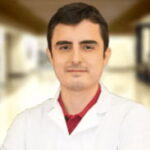 Doctor Ali Tanakol
Dermatologist
-
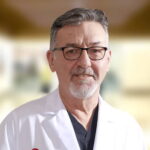 Doctor Yıldıray Yüzer
Transplant Surgeon
Popular Medical Treatment Destinations in Turkey
At the Crossroads of Europe and Asia: Well-being treatment in Turkey
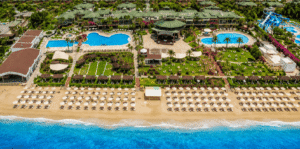
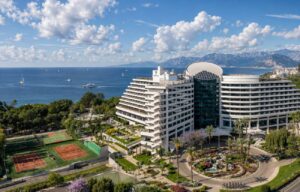
Turkey is rapidly emerging as a leading destination for medical tourism, where thermal and SPA resorts attract visitors through a blend of natural resources, modern wellness techniques, and high-quality service. The country’s mineral springs, maritime climate, and advanced infrastructure make it ideal for those seeking rehabilitation and disease prevention in a comfortable setting.
The Mediterranean coast, with its iodine-rich air, sea salt, and therapeutic mud, has become the foundation for respiratory system recovery and immune system strengthening programs in Antalya. Local resorts offer thalassotherapy programs based on marine minerals, iodine baths, and inhalation treatments.

Belek is a premium resort known for its five-star medical SPAs, where natural springs are incorporated into anti-stress and rehabilitation therapies. Thermal waters rich in magnesium and calcium support bone health, while sand baths help treat rheumatic conditions.
Bodrum is not only picturesque bays and mild climate, but also thermal waters on the seashore. Local SPA complexes use sulfur-rich mud baths that benefit skin and joint health. The region’s SPA centers also utilize Eastern medicine techniques, including traditional Turkish hammams, aromatherapy, and oil massages.
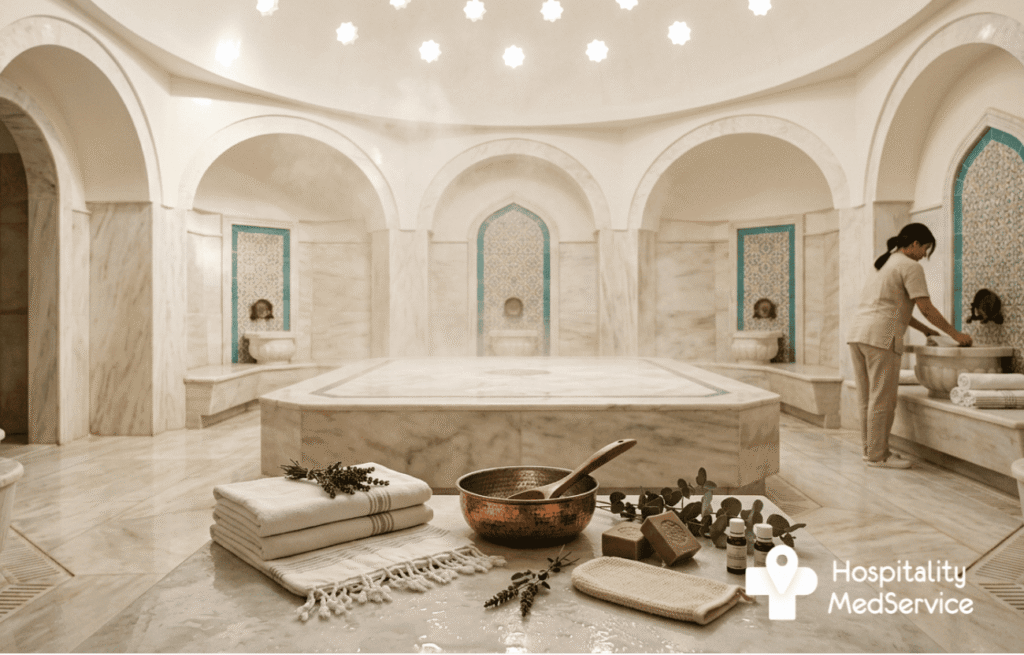
Izmir is Turkey’s largest thermal treatment center. It boasts renowned thermal springs that aid in treating skin disorders, arthritis, and neurological conditions. The waters of Izmir are rich in sulphur and minerals, and therapeutic baths are used as part of rehabilitation programmes after surgery.
Our collection includes resorts within walking distance of the famous baths and other attractions. Leave a request, and we will find the perfect option for you.



Frequently Asked Questions
Yes, this is one of the key advantages of Turkish clinics — the long waiting lists typical of public healthcare in Europe simply don’t apply here. For example, Hospitality MedService can arrange an appointment with a doctor within 1-2 days.
No separate “medical visa” is required for short stays: citizens of most EU countries, the US, and several other nations can stay in Turkey visa-free for up to 90 days, receiving only an entry stamp at the border. If treatment and recovery take longer than that, a short-term residence permit (ikamet) can be obtained based on the treatment agreement with the clinic and proof of payment for medical services. Requirements vary by citizenship, so Hospitality MedService confirms the current rules for each nationality and helps prepare the document package.
Liver transplantation in Turkey starts from $75,000 — compared to $220,000 in Germany. Joint replacement starts from $9,000, versus from €15,000 in Germany and from CHF 35,000 in Switzerland. An IVF program starts from $2,500, against an average of €12,000 in Germany. The exact cost depends on the diagnosis and scope of treatment and is confirmed only after reviewing the patient’s medical records: Hospitality MedService requests a preliminary estimate from the clinic before travel. Keep in mind: if you’re an EU citizen, the S2 cross-border reimbursement mechanism doesn’t apply to Turkey — choosing this country means paying for treatment yourself. For more on how insurance coverage for treatment abroad actually works, see our article «Does Insurance Cover Treatment Abroad? Joint Replacement, IVF, Heart Surgery and Cataracts».
Beyond standard surgery, Turkish clinics use highly precise methods: Gamma Knife and CyberKnife radiosurgery systems, the latest-generation VersaHD and TrueBeam STX linear accelerators for radiation therapy, and CTC liquid biopsy for early detection of circulating tumor cells. The treatment plan is developed individually based on the tumor’s type and stage.
Yes, this is one of the strengths of medical tourism in Turkey: after surgery, patients can continue rehabilitation at a thermal or seaside resort — for example, thalassotherapy in Antalya, thermal baths for musculoskeletal recovery in Belek, or treatment for skin and neurological conditions in Izmir. Hospitality MedService selects the resort based on the treating physician’s recommendations and the type of treatment received, arranges transfer from the clinic to the resort, and books the recovery program in advance.
Yes, Turkish clinics provide accommodation for accompanying persons for the full duration of the patient’s treatment, along with transfer and a round-the-clock interpreter. This is especially useful for patients who need continuous support due to their health condition or age.
Hospitality Medservice is your trusted partner in finding the best clinic and resort worldwide. On our website, we represent only reputable medical institutions with advanced facilities and the latest treatment protocols. Explore clinics, resorts, get to know the doctors, compare treatment costs, and reach out to us for assistance with organizing:
- Treatment travel
- In-person appointments
- Video consultations
- Second opinions
Leave a request on our website, and our medical coordinator will contact you shortly.
Leave a request for a free consultation.
A coordinator will contact you as soon as possible

*Illustrations in this article are created using artificial intelligence and are for illustrative purposes only. These images are not photographs of specific clinics, doctors, or patients, but are used to visually represent the procedures and treatment areas described.