


Immunotherapy
Immunotherapy is an innovative pharmacological method of cancer treatment that uses the body’s own immune system to fight tumors. Unlike chemotherapy or radiation therapy, which directly attack cancer cells, immunotherapy enhances the body’s ability to recognize and destroy malignant cells on its own.
Immunotherapy has shown significant clinical results, particularly in patients with aggressive types of cancer:
- In the treatment of non-small cell lung cancer (NSCLC), immunotherapy increases patient survival rates by 20-30% compared to traditional therapies.
- In advanced-stage melanoma, immunotherapy helps achieve long-term remission in 40-60% of patients.
- In renal cell carcinoma, approximately 30% of patients show significant improvement and sustained disease control.
How does immunotherapy work?
Immunotherapy activates the immune system to initiate a targeted response against cancer cells. The body contains immune cells known as T-lymphocytes and B-lymphocytes, which are responsible for immune defense. T-cells circulate in the bloodstream, detect abnormal or cancerous cells, and work to destroy them.
On the surface of T-cells are specific protein receptors called immune checkpoints. Checkpoint inhibitors, a type of immunotherapeutic drug, help to unblock these checkpoints, allowing T-cells to aim a stronger attack on cancer cells.
How long does immunotherapy last and what is the treatment duration?
The duration of immunotherapy depends on the stage of the disease, the extent of cancer spread and the patient’s individual response to treatment. The effects of immunotherapy may not be immediate. The first follow-up assessment is typically conducted 2-3 months after the start of treatment.
Therapy is continued as long as the disease does not progress and severe adverse effects do not occur. If a complete and durable remission is achieved, discontinuation of treatment may be considered after approximately two years, based on medical evaluation.
How is immunotherapy treatment going?
Immunotherapy medicines are usually administered intravenously via IV infusion. Treatment can be delivered as monotherapy (using a single immunotherapeutic agent), or in combination with chemotherapy.
Top clinics
-


 Seoul, South Korea Asan Medical Center
 -
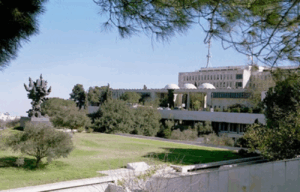

 Jerusalem, Israel Hadassah Medical Center
 -
 Petah Tikva, Israel Medical Center Rabin
 -
 Istanbul, Turkey Istanbul Florence Nightingale Hospital
 -
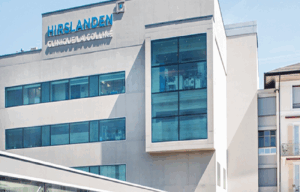
 Geneva, Switzerland Hirslanden Clinique La Colline
 -

 Geneva, Switzerland Generale-Beaulieu
 -

 Istanbul, Turkey Acibadem Altunizade
 -

 Istanbul, Turkey Medistate International Hospital
 -

 Istanbul, Turkey Acıbadem Ataşehir Clinic
 -

 Antalya, Turkey Hospital Medical Park Antalya
 -
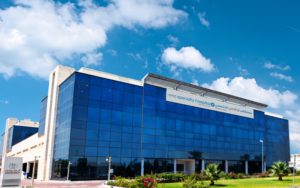
 Dubai, UAE NMC Healthcare
 -
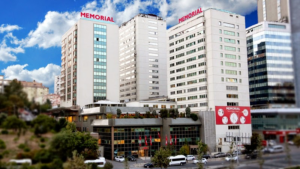
 Istanbul, Turkey Hospital Memorial Şişli
 -
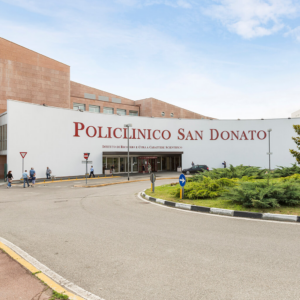

 Milan, Italy San Donato Hospital
 -
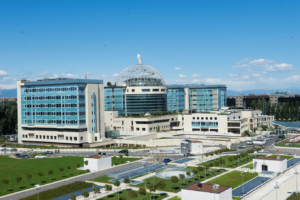
 Milan, Italy San Raffaele University Hospital
 -
 Abu Dhabi, UAE Burjeel Hospital Abu Dhabi
 -


 Vienna, Austria Debling Private Clinic
 -

 Heidelberg, Germany Heidelberg University Hospital
 -

 Hamburg, Germany Asklepios Nord Heidberg
 -
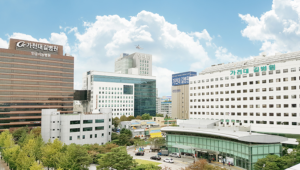
 Incheon, South Korea Gil Medical Center at Gachon University
 -
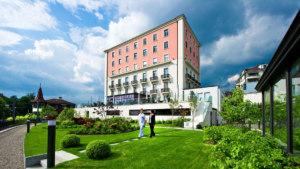 Lausanne, Switzerland Clinique Montchoisi
 -
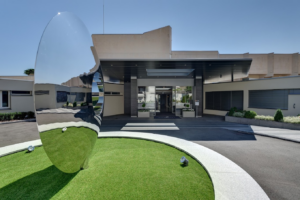 Nyon, Switzerland Clinique Genolier
 -
 Bodrum, Turkey Acibadem Bodrum Hospital
 -
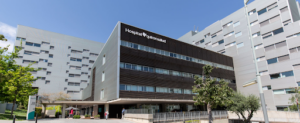

 Barcelona, Spain QuironSalud Barcelona Hospital
 -
 Barcelona, Spain Dexeus University Hospital
 -
 Barcelona, Spain Medical Center Teknon
 -
 Barcelona, Spain University Hospital Barnaclinic+
 -
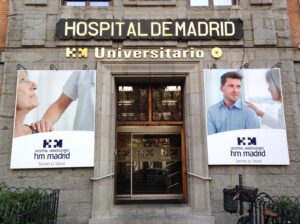
 Madrid, Spain University Clinic HM Madrid
 -
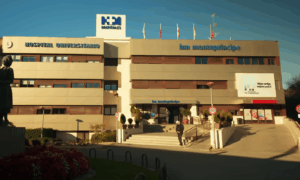
 Madrid, Spain University Hospital HM Monteprincipe
 -
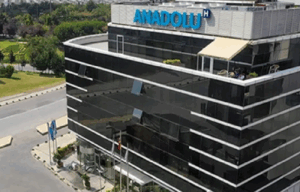 Gebze, Turkey Anadolu Clinic
 -
 Zurich, Switzerland Hirslanden Clinic
 -
 Madrid, Spain QuironSalud University Hospital
 -
 Lugano, Switzerland Saint Anna Clinic
 -
 Geneva, Switzerland Clinique des Grangettes
 -
 Duesseldorf, Germany Oncological Center Dusseldorf
 -
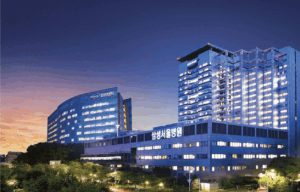 Seoul, South Korea Samsung Medical Center
 -
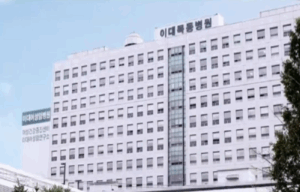 Seoul, South Korea Medical Center at Ewha Womans University
 -
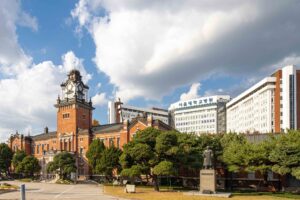 Seoul, South Korea SNUH