

Lung cancer
Disease description
Lung cancer is one of the most common and life-threatening oncological diseases. It originates from lung tissue cells and often metastasizes to other organs. Statistically, this type of cancer occurs 7-8 times more frequently in men than in women. The primary risk factor is smoking, but the disease can also be caused by exposure to asbestos, radon, and other carcinogens (particularly relevant for workers in asbestos and metal product manufacturing industries).
According to the World Health Organization, the incidence of lung cancer has increased dozens of times since the early 20th century. This trend is especially evident in developed countries, where lung cancer currently ranks among the leading causes of oncological mortality.
Symptoms requiring diagnosis and treatment
- Persistent cough that does not stop
- Hemoptysis (coughing up blood)
- Shortness of breath and wheezing
- Chest pain that worsens with coughing or deep breathing
- Unexplained weight loss and loss of appetite
- Fatigue and weakness
Diagnostic and treatment methods
Diagnosis
Lung cancer diagnosis involves several key methods. Computed tomography (CT) provides detailed imaging of lung tissue, helping to detect tumors. Positron emission tomography (PET scan) assesses the metabolic activity of the tumor and identifies metastases. Bronchoscopy allows for direct visualization of the airways and tissue sampling for biopsy, and transthoracic biopsy under CT or ultrasound guidance helps collect the tissue samples from hard-to-reach areas of the lung.
At leading clinics, CT scan analysis for lung cancer detection increasingly involves artificial intelligence, which improves diagnostic accuracy at early stages. For more on this, read our article «Artificial Intelligence in Medicine: New Horizons in Diagnosis and Treatment».
Treatment
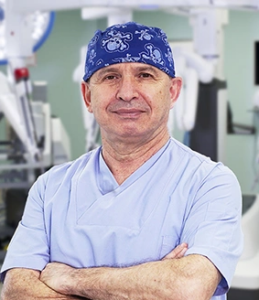
The treatment approach depends on the cancer type, stage, and the patient’s overall condition. Surgical removal of the tumor, including lobectomy or pneumonectomy, is commonly performed in early stages. Today, such procedures are increasingly performed using robot-assisted techniques: the da Vinci system allows the surgeon to work through minimal incisions with high precision and minimal trauma to the surrounding chest tissue. To learn more about how robotic surgery is used in oncology and other specialties abroad, read our article “Robotic Surgery Abroad: Da Vinci, ROSA, ARTEMIS“.
Chemotherapy is used to destroy cancer cells and can be used before or after surgery. Radiotherapy helps shrink tumors and eliminate remaining cancer cells. Targeted therapy and immunotherapy, which have been actively developed in recent years, focus on specific molecular targets in cancer cells. These approaches improve treatment outcomes and enhance survival rates.
Innovations in global clinics
Among the latest advancements in oncology treatment are targeted therapy and immunotherapy. Targeted therapy works by inhibiting specific genetic mutations in cancer cells, blocking their growth. Immunotherapy boosts the immune system’s ability to fight cancer by using medications that enhance immune responses.
These methods, combined with modern diagnostic technologies such as liquid biopsy and molecular tumor profiling, enable the development of personalized treatment plans that significantly improve therapy effectiveness and patient prognosis.
Top Clinics
-
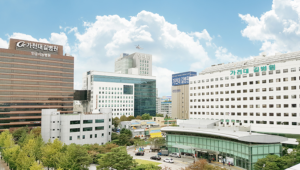
 Incheon, South Korea
Gil Medical Center at Gachon University
Incheon, South Korea
Gil Medical Center at Gachon University
-

 Barcelona, Spain
University Hospital Barnaclinic+
Barcelona, Spain
University Hospital Barnaclinic+
-
 Seoul, South Korea
SNUH
Seoul, South Korea
SNUH
-

 Petah Tikva, Israel
Medical Center Rabin
Petah Tikva, Israel
Medical Center Rabin
-

 Freiburg, Germany
University Hospital of Freiburg
Freiburg, Germany
University Hospital of Freiburg
-
 Berlin, Germany
Charité Clinic
Berlin, Germany
Charité Clinic
-

 Tokyo, Japan
Japanese Red Cross Medical Center
Tokyo, Japan
Japanese Red Cross Medical Center
-
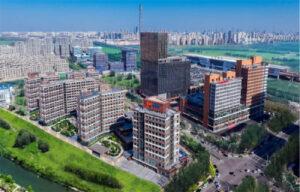
 Tianjin, China
BIOOCUS Cancer Cell and Gene Therapy Medical Center
Tianjin, China
BIOOCUS Cancer Cell and Gene Therapy Medical Center
-
 Hebei Province, Beijing, China
Yanda Hospital
Hebei Province, Beijing, China
Yanda Hospital