


Chemotherapy
Chemotherapy is a conservative treatment method that uses special medications, known as chemotherapeutic agents, to destroy cancer cells. These agents target rapidly dividing cells in the body, which include malignant tumors. Chemotherapy may be used as a standalone treatment or in combination with other methods, such as surgery or radiation therapy.
Advantages of chemotherapy
- Destruction of cancer cells: Chemotherapy aims to destroy or slow the growth of cancer cells, which can lead to tumor reduction or even complete cancer remission.
- Systemic effect: Chemotherapeutic medications are distributed throughout the entire body, allowing for the destruction of cancer cells even in the most remote areas.
- Combination with other therapies: Chemotherapy is frequently used alongside other treatment methods, enhancing the overall effectiveness of the therapy.
- Individualized approach: The doctor can select a personalized chemotherapy regimen based on the characteristics of the disease and the patient’s condition.
Indications for chemotherapy
Chemotherapy is used in the treatment of many types of cancer, including:
Breast cancer: Administered either after surgery to eliminate remaining cancer cells or before surgery to reduce tumor size.
Lung cancer: Often used in combination with radiation therapy or surgery to improve treatment outcomes.
Gastric and colorectal cancer: Used to reduce tumor size prior to surgery or to prevent recurrence following surgery.
Blood cancer (Leukemia): This is the primary method of treatment, as cancer cells are found in the blood and bone marrow.
Ovarian cancer: Applied at both early and advanced stages, frequently in combination with surgery.
The effectiveness of chemotherapy depends on the type and stage of cancer. For example, in breast cancer, a combination of chemotherapy and surgery increases the five-year survival rate by 20—30%. In children with acute lymphoblastic leukemia, full recovery is achieved in 85% of cases following a course of chemotherapy.
How is chemotherapy performed?
Preparation: Before treatment begins, a thorough medical examination is conducted to determine the optimal chemotherapy protocol and to select appropriate medications.
Medications administration: Chemotherapy can be administered in several ways:
- Intravenously: Medications are delivered via IV infusion.
- Per os: In the form of tablets or capsules.
- Locally: Medications may be administered directly into the tumor or a body cavity.
Treatment course: Chemotherapy is conducted in cycles, alternating with rest periods to allow the body to recover. The number of cycles depends on the individual case and can vary.
Monitoring and support: Throughout the course of treatment, doctors closely monitor the patient’s condition to adjust dosages and to provide supportive care for the body.
Features of the procedure in international clinics
Over the past decade, many changes have occurred in the field of chemotherapy abroad. Leading medical centers have begun to develop personalized treatment protocols for each patient. With the aid of advanced technologies, doctors can analyze the molecular characteristics of a tumor, allowing them to select the most effective drug combinations for a specific cancer type. This is particularly important for cases in which tumors rapidly adapt to treatment and do not respond to standard therapies.
Diseases
- Retinoblastoma
- Glioblastoma
- Neuroblastoma
- Nephroblastoma (Wilms Tumor)
- Rhabdomyosarcoma
- Osteosarcoma
- Stomach cancer
- Intestinal cancer
- Pancreatic cancer
- Esophageal cancer
- Cervical cancer
- Breast cancer
- Ovarian cancer
- Liver cancer
- Lymphoma
- Leukemia
- Lung cancer
- Bladder cancer
- Adrenal cancer
- Testicular cancer
- Laryngeal cancer
Top clinics
-

 Baden-Baden, Germany
Max Grundig Clinic
Baden-Baden, Germany
Max Grundig Clinic
-

 Seoul, South Korea
Asan Medical Center
Seoul, South Korea
Asan Medical Center
-

 Jerusalem, Israel
Hadassah Medical Center
Jerusalem, Israel
Hadassah Medical Center
-
 Petah Tikva, Israel
Medical Center Rabin
Petah Tikva, Israel
Medical Center Rabin
-

 Istanbul, Turkey
Medipol Mega University Hospital
Istanbul, Turkey
Medipol Mega University Hospital
-
 Istanbul, Turkey
Istanbul Florence Nightingale Hospital
Istanbul, Turkey
Istanbul Florence Nightingale Hospital
-
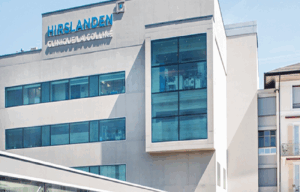
 Geneva, Switzerland
Hirslanden Clinique La Colline
Geneva, Switzerland
Hirslanden Clinique La Colline
-
 Geneva, Switzerland
Generale-Beaulieu
Geneva, Switzerland
Generale-Beaulieu
-
 Istanbul, Turkey
Acibadem Altunizade
Istanbul, Turkey
Acibadem Altunizade
-
 Istanbul, Turkey
Medistate International Hospital
Istanbul, Turkey
Medistate International Hospital
-
 Istanbul, Turkey
Acıbadem Ataşehir Clinic
Istanbul, Turkey
Acıbadem Ataşehir Clinic
-
 Antalya, Turkey
Hospital Medical Park Antalya
Antalya, Turkey
Hospital Medical Park Antalya
-

 Dubai, UAE
NMC Healthcare
Dubai, UAE
NMC Healthcare
-
 Istanbul, Turkey
Hospital Memorial Şişli
Istanbul, Turkey
Hospital Memorial Şişli
-
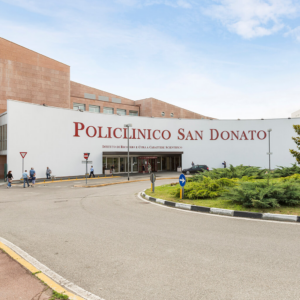
 Milan, Italy
San Donato Hospital
Milan, Italy
San Donato Hospital
-
 Milan, Italy
San Raffaele University Hospital
Milan, Italy
San Raffaele University Hospital
-
 Abu Dhabi, UAE
Burjeel Hospital Abu Dhabi
Abu Dhabi, UAE
Burjeel Hospital Abu Dhabi
-

 Vienna, Austria
Debling Private Clinic
Vienna, Austria
Debling Private Clinic
-
 Heidelberg, Germany
Heidelberg University Hospital
Heidelberg, Germany
Heidelberg University Hospital
-
 Hamburg, Germany
Asklepios Nord Heidberg
Hamburg, Germany
Asklepios Nord Heidberg
-
 Incheon, South Korea
Gil Medical Center at Gachon University
Incheon, South Korea
Gil Medical Center at Gachon University
-
 Lausanne, Switzerland
Clinique Montchoisi
Lausanne, Switzerland
Clinique Montchoisi
-
 Nyon, Switzerland
Clinique Genolier
Nyon, Switzerland
Clinique Genolier
-
 Istanbul, Turkey
Memorial Ataşehir Clinic
Istanbul, Turkey
Memorial Ataşehir Clinic
-
 Bodrum, Turkey
Acibadem Bodrum Hospital
Bodrum, Turkey
Acibadem Bodrum Hospital
-
 Seoul, South Korea
H+ Yangji Hospital
Seoul, South Korea
H+ Yangji Hospital
-

 Barcelona, Spain
QuironSalud Barcelona Hospital
Barcelona, Spain
QuironSalud Barcelona Hospital
-
 Barcelona, Spain
Dexeus University Hospital
Barcelona, Spain
Dexeus University Hospital
-
 Barcelona, Spain
Medical Center Teknon
Barcelona, Spain
Medical Center Teknon
-
 Barcelona, Spain
University Hospital Barnaclinic+
Barcelona, Spain
University Hospital Barnaclinic+
-
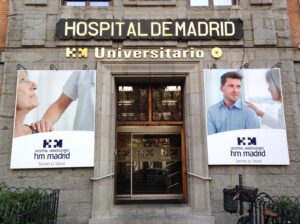 Madrid, Spain
University Clinic HM Madrid
Madrid, Spain
University Clinic HM Madrid
-
 Madrid, Spain
University Hospital HM Monteprincipe
Madrid, Spain
University Hospital HM Monteprincipe
-
 Gebze, Turkey
Anadolu Clinic
Gebze, Turkey
Anadolu Clinic
-
 Zurich, Switzerland
Hirslanden Clinic
Zurich, Switzerland
Hirslanden Clinic
-
 Madrid, Spain
QuironSalud University Hospital
Madrid, Spain
QuironSalud University Hospital
-
 Lugano, Switzerland
Saint Anna Clinic
Lugano, Switzerland
Saint Anna Clinic
-
 Geneva, Switzerland
Clinique des Grangettes
Geneva, Switzerland
Clinique des Grangettes
-
 Duesseldorf, Germany
Oncological Center Dusseldorf
Duesseldorf, Germany
Oncological Center Dusseldorf
-
 Seoul, South Korea
Samsung Medical Center
Seoul, South Korea
Samsung Medical Center
-
 Seoul, South Korea
Medical Center at Ewha Womans University
Seoul, South Korea
Medical Center at Ewha Womans University
-
 Seoul, South Korea
SNUH
Seoul, South Korea
SNUH