


Esophageal cancer
Disease description
Esophageal cancer is a malignant tumor of the digestive tract that affects the inner lining of the esophagus.
According to the World Health Organization, esophageal cancer ranks among the leading diseases of the gastrointestinal tract. Men are four times more likely to suffer from esophageal cancer than women, with the peak incidence occurring between the ages of 50 and 60.
Symptoms indicating the need for diagnosis and treatment
In the early stages, cancer is almost asymptomatic. Over time, the patient may experience characteristic symptoms:
- Heaviness, burning, or pain behind the sternum during swallowing
- Belching
- Heartburn
- Dysphagia (swallowing disorder)
- Blood in saliva
- Hoarseness
- Increased saliva production
Diagnosis and treatment methods
Diagnosis
If esophageal cancer is suspected, the patient is prescribed a comprehensive evaluation, which includes:
- EFGDS (esophagogastroduodenoscopy): allows visualization of the tumor and biopsy sampling for cancer testing
- Blood and urine tests (including tumor markers)
- Endoscopic ultrasound (endosonography): to assess the depth of tumor invasion
- Contrast radiography: to determine the degree of esophageal narrowing
- Ultrasound (US)
- CT, MRI: to visualize metastases
Treatment
The treatment strategy for esophageal cancer in leading global clinics involves a combination of surgical, radiation, and pharmacological methods. The choice of therapy depends on the type, size, and stage of the tumor and is determined by a highly qualified oncologist or radiologist.
Surgical procedures are most often performed laparoscopically (through minimally invasive access) or using robotic systems, the primary one being the da Vinci surgical assistant.
A promising treatment method for esophageal cancer is targeted therapy, which is used in top European hospitals.
Innovations of global clinics
In technologically advanced clinics around the world, endoscopic ablation is used to remove esophageal tumors — a procedure involving the insertion of a flexible endoscope with a laser through the patient’s mouth. The main advantage of this method is that it is bloodless and requires no incisions.
Top clinics
-


 Baden-Baden, Germany Max Grundig Clinic
 -
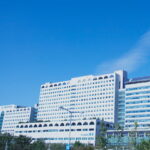

 Seoul, South Korea Asan Medical Center
 -


 Jerusalem, Israel Hadassah Medical Center
 -
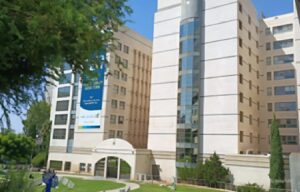 Petah Tikva, Israel Medical Center Rabin
 -
 Istanbul, Turkey Istanbul Florence Nightingale Hospital
 -
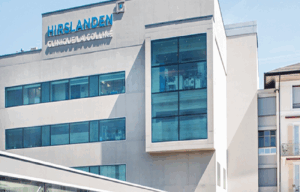
 Geneva, Switzerland Hirslanden Clinique La Colline
 -

 Geneva, Switzerland Generale-Beaulieu
 -
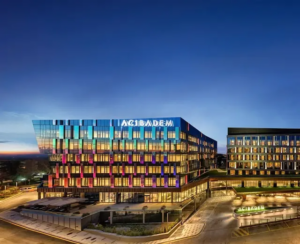
 Istanbul, Turkey Acibadem Altunizade
 -
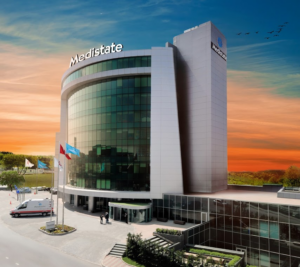
 Istanbul, Turkey Medistate International Hospital
 -

 Istanbul, Turkey Acıbadem Ataşehir Clinic
 -
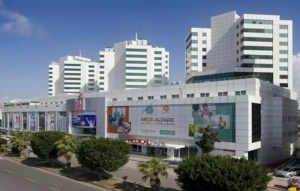
 Antalya, Turkey Hospital Medical Park Antalya
 -
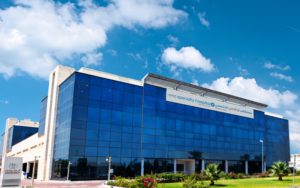
 Dubai, UAE NMC Healthcare
 -
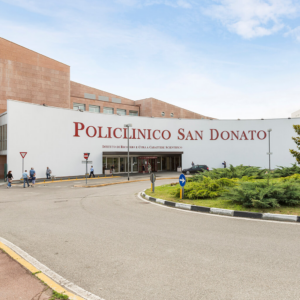

 Milan, Italy San Donato Hospital
 -
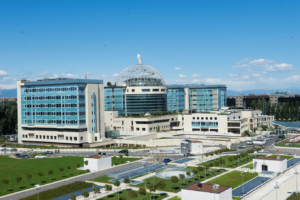
 Milan, Italy San Raffaele University Hospital
 -
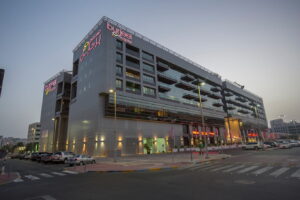 Abu Dhabi, UAE Burjeel Hospital Abu Dhabi
 -


 Vienna, Austria Debling Private Clinic
 -
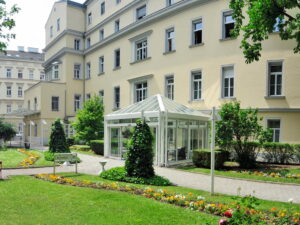 Vienna, Austria Confraternität Private Hospital
 -
 Heidelberg, Germany Heidelberg University Hospital
 -
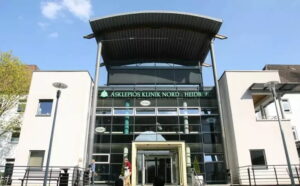
 Hamburg, Germany Asklepios Nord Heidberg
 -

 Dusseldorf, Germany FKKD Clinical Complex
 -
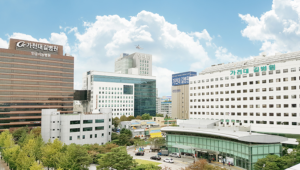
 Incheon, South Korea Gil Medical Center at Gachon University
 -
 Lausanne, Switzerland Clinique Montchoisi
 -
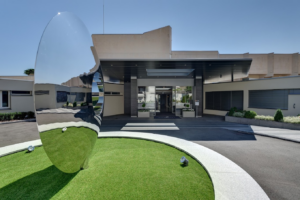 Nyon, Switzerland Clinique Genolier
 -
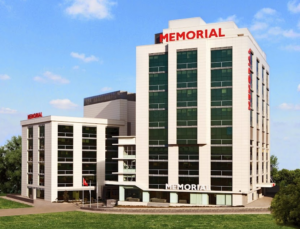
 Istanbul, Turkey Memorial Ataşehir Clinic
 -
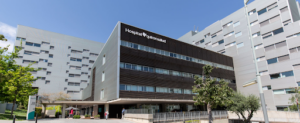

 Barcelona, Spain QuironSalud Barcelona Hospital
 -
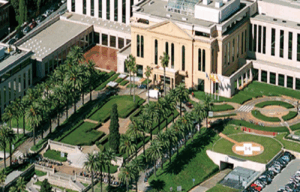 Barcelona, Spain Medical Center Teknon
 -
 Barcelona, Spain University Hospital Barnaclinic+
 -
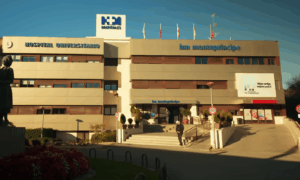
 Madrid, Spain University Hospital HM Monteprincipe
 -
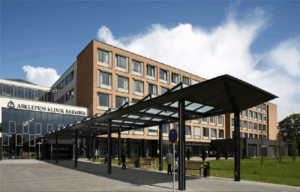 Hamburg, Germany Asklepios Klinik Barmbek
 -
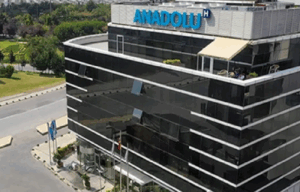 Gebze, Turkey Anadolu Clinic
 -
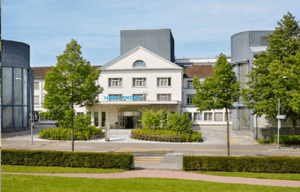 Zurich, Switzerland Hirslanden Clinic
 -
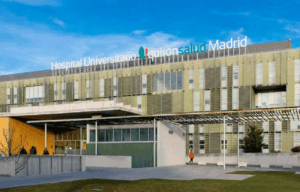 Madrid, Spain QuironSalud University Hospital
 -
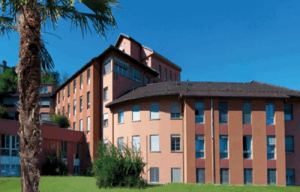 Lugano, Switzerland Saint Anna Clinic
 -
 Geneva, Switzerland Clinique des Grangettes
 -
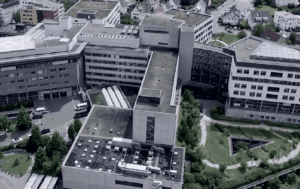
 Duesseldorf, Germany Oncological Center Dusseldorf
 -
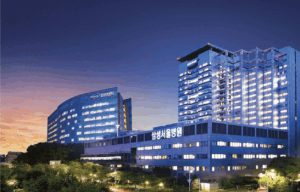 Seoul, South Korea Samsung Medical Center
 -
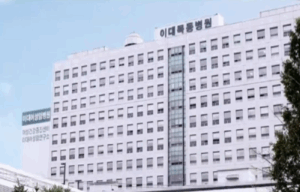 Seoul, South Korea Medical Center at Ewha Womans University
 -
 Seoul, South Korea SNUH