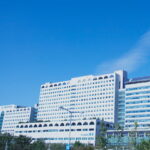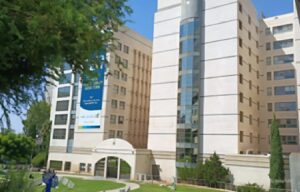


 Heidelberg University Hospital

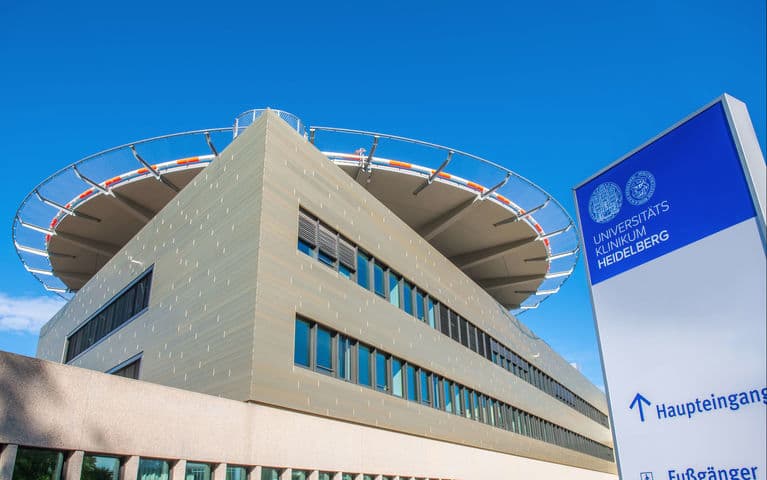
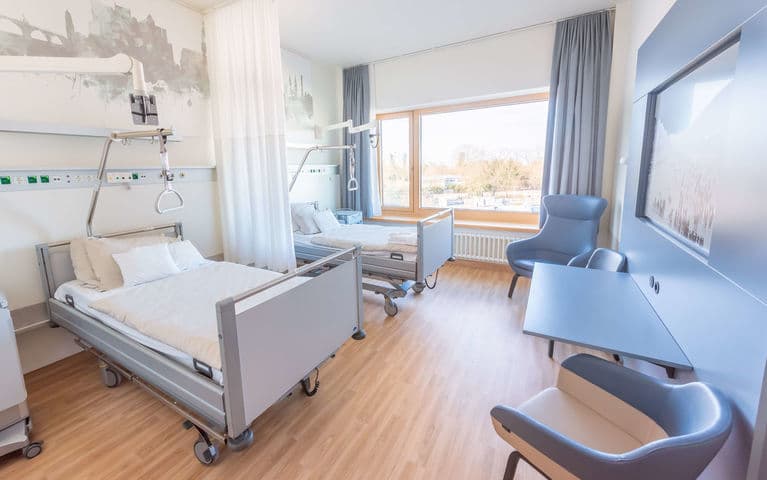
About the Сlinic


It is the third-largest university hospital in Germany
In 2021, Heidelberg University Hospital was ranked among the Top 15 hospitals worldwide by Newsweek
In 2024, the German Research Foundation (DFG) allocated around €15 million to the Heidelberg Medical Faculty to conduct research on chronic infections caused by hepatitis viruses
Heidelberg University Hospital works in close collaboration with Heidelberg University and has been treating patients across multiple medical specialties for more than 150 years.
A major focus lies in the field of oncology. The National Center for Tumor Diseases (NCT) offers all leading modern treatment methods, including high-precision robotic surgery with the Da Vinci system, targeted therapy, immunotherapy, CAR-T cell therapy, radionuclide therapy, radiation therapy, chemotherapy, as well as proton, heavy-ion, and tomotherapy.
Patients with complex genetic disorders are treated at the Amyloidosis Center, Marfan Syndrome Center, Sarcoma Center, and other rare disease units. Comprehensive diagnostic services are available, including cardiac MRI and pulmonary function testing. Advanced laboratory diagnostics (e.g., NT-proBNP, cTNT) help detect specific proteins that indicate organ stress, such as in amyloidosis.
Organ transplantation is carried out by specialists from the Transplantation Department. Today, the Heidelberg Transplant Center is one of the largest liver transplant centers in Germany. Between 1967 and the end of 2013, 3,135 kidney transplants were performed. The surgical department also conducts cutting-edge research through several fundamental science groups. In the field of immune tolerance, experts are developing new strategies to prevent transplant rejection and extend patient survival.
Doctors of the Clinic
-
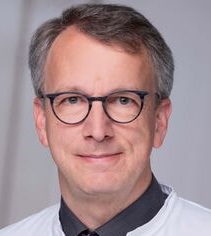 Doctor Patrick Michl
Gastroenterologist
Doctor Patrick Michl
Gastroenterologist
-
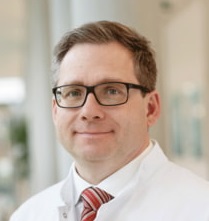 Doctor Carsten Müller-Tidow
Hematologist-Oncologist
Doctor Carsten Müller-Tidow
Hematologist-Oncologist
-
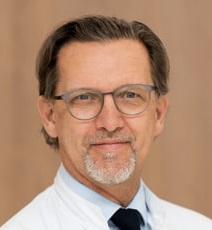 Doctor Dittmar Böckler
Cardiovascular Surgeon
Doctor Dittmar Böckler
Cardiovascular Surgeon
-
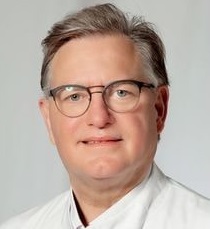 Doctor Gerd Auffarth
Ophthalmologist
Doctor Gerd Auffarth
Ophthalmologist