

Glioblastoma
Disease description
Glioblastoma is one of the most aggressive forms of brain cancer that affects glial cells. It grows rapidly, infiltrates surrounding tissues, and has a high tendency to recur. Glioblastoma accounts for approximately 15% of all brain tumors in adults and is characterized by a poor prognosis due to its aggressive nature and surgical complexity.
Symptoms requiring diagnosis and treatment:
- Persistent headaches that worsen in the morning
- Seizures or epileptic episodes
- Impaired coordination and balance
- Speech or memory difficulties
- Visual and auditory disturbances
- Rapid fatigue and weakness
Diagnostic and treatment methods
Diagnosis
The diagnosis of glioblastoma begins with a neurological examination followed by contrast-enhanced magnetic resonance imaging (MRI), which provides detailed visualization of the tumor. In some cases, computed tomography (CT) is used to assess the extent of involvement and impact on adjacent brain structures. A tumor biopsy is also performed for histological analysis, confirming the diagnosis and guiding the most effective treatment strategies.
Treatment
The treatment of glioblastoma requires a comprehensive approach, including surgical intervention to remove as much of the tumor as possible. This is typically followed by a course of radiation therapy combined with chemotherapy to eliminate remaining cancer cells. In some cases, targeted drugs are used to act on specific molecular targets in tumor cells. Supportive therapy aimed at symptom control and improving the patient’s quality of life also plays a crucial role.
Innovations in global clinics
Innovative approaches in glioblastoma treatment include the use of genetically modified viruses and immune cells designed to destroy cancer cells without harming healthy tissue.
Additionally, research is underway on personalized immunotherapy based on the tumor’s DNA profile and the use of neuronavigation systems for more precise surgical interventions. Nanoparticles for targeted drug delivery to tumor cells are also being actively developed, enhancing treatment efficacy while reducing side effects.
Procedures
Top clinics
-

 Baden-Baden, Germany
Max Grundig Clinic
Baden-Baden, Germany
Max Grundig Clinic
-

 Seoul, South Korea
Asan Medical Center
Seoul, South Korea
Asan Medical Center
-

 Jerusalem, Israel
Hadassah Medical Center
Jerusalem, Israel
Hadassah Medical Center
-
 Petah Tikva, Israel
Medical Center Rabin
Petah Tikva, Israel
Medical Center Rabin
-
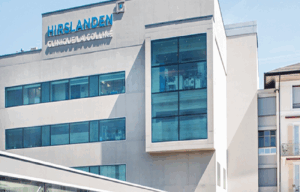
 Geneva, Switzerland
Hirslanden Clinique La Colline
Geneva, Switzerland
Hirslanden Clinique La Colline
-
 Geneva, Switzerland
Generale-Beaulieu
Geneva, Switzerland
Generale-Beaulieu
-
 Duisburg, Germany
Duisburg-Nord Hospital
Duisburg, Germany
Duisburg-Nord Hospital
-

 Istanbul, Turkey
Medistate International Hospital
Istanbul, Turkey
Medistate International Hospital
-
 Istanbul, Turkey
Acıbadem Ataşehir Clinic
Istanbul, Turkey
Acıbadem Ataşehir Clinic
-
 Antalya, Turkey
Hospital Medical Park Antalya
Antalya, Turkey
Hospital Medical Park Antalya
-
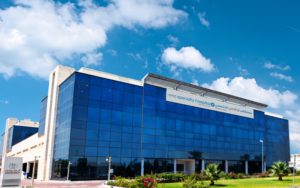
 Dubai, UAE
NMC Healthcare
Dubai, UAE
NMC Healthcare
-
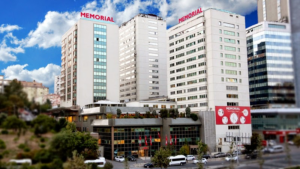 Istanbul, Turkey
Hospital Memorial Şişli
Istanbul, Turkey
Hospital Memorial Şişli
-
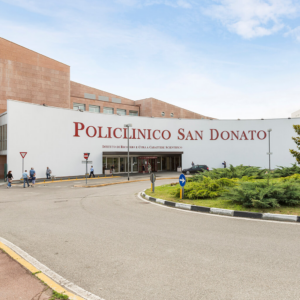
 Milan, Italy
San Donato Hospital
Milan, Italy
San Donato Hospital
-
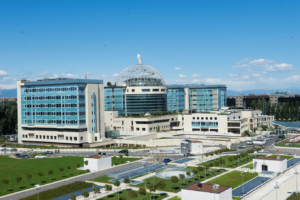 Milan, Italy
San Raffaele University Hospital
Milan, Italy
San Raffaele University Hospital
-
 Abu Dhabi, UAE
Burjeel Hospital Abu Dhabi
Abu Dhabi, UAE
Burjeel Hospital Abu Dhabi
-

 Vienna, Austria
Debling Private Clinic
Vienna, Austria
Debling Private Clinic
-
 Heidelberg, Germany
Heidelberg University Hospital
Heidelberg, Germany
Heidelberg University Hospital
-
 Hamburg, Germany
Asklepios Nord Heidberg
Hamburg, Germany
Asklepios Nord Heidberg
-
 Winterthur, Switzerland
Clinic Lindberg
Winterthur, Switzerland
Clinic Lindberg
-
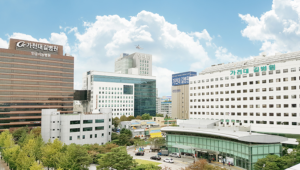 Incheon, South Korea
Gil Medical Center at Gachon University
Incheon, South Korea
Gil Medical Center at Gachon University
-
 Lausanne, Switzerland
Clinique Montchoisi
Lausanne, Switzerland
Clinique Montchoisi
-
 Nyon, Switzerland
Clinique Genolier
Nyon, Switzerland
Clinique Genolier
-
 Istanbul, Turkey
Memorial Ataşehir Clinic
Istanbul, Turkey
Memorial Ataşehir Clinic
-
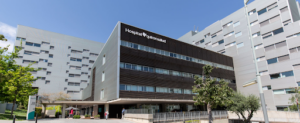
 Barcelona, Spain
QuironSalud Barcelona Hospital
Barcelona, Spain
QuironSalud Barcelona Hospital
-
 Barcelona, Spain
Medical Center Teknon
Barcelona, Spain
Medical Center Teknon
-
 Barcelona, Spain
Sant Joan de Deu Children's Hospital
Barcelona, Spain
Sant Joan de Deu Children's Hospital
-
 Barcelona, Spain
University Hospital Barnaclinic+
Barcelona, Spain
University Hospital Barnaclinic+
-
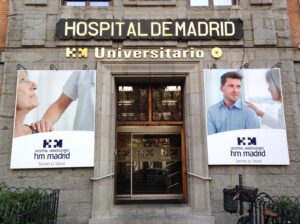 Madrid, Spain
University Clinic HM Madrid
Madrid, Spain
University Clinic HM Madrid
-
 Madrid, Spain
University Hospital HM Monteprincipe
Madrid, Spain
University Hospital HM Monteprincipe
-
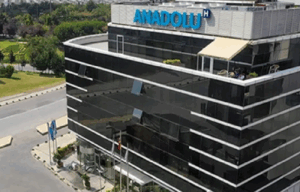 Gebze, Turkey
Anadolu Clinic
Gebze, Turkey
Anadolu Clinic
-
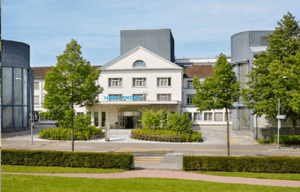 Zurich, Switzerland
Hirslanden Clinic
Zurich, Switzerland
Hirslanden Clinic
-
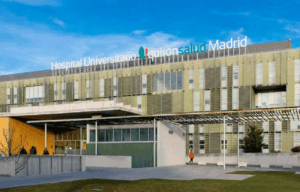 Madrid, Spain
QuironSalud University Hospital
Madrid, Spain
QuironSalud University Hospital
-
 Geneva, Switzerland
Clinique des Grangettes
Geneva, Switzerland
Clinique des Grangettes
-
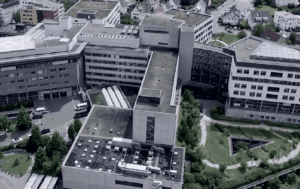 Duesseldorf, Germany
Oncological Center Dusseldorf
Duesseldorf, Germany
Oncological Center Dusseldorf
-
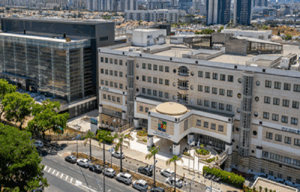 Petah Tikva, Israel
Schneider Children's Medical Center
Petah Tikva, Israel
Schneider Children's Medical Center
-
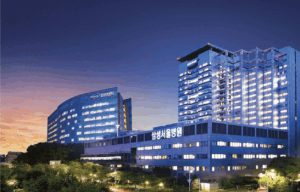 Seoul, South Korea
Samsung Medical Center
Seoul, South Korea
Samsung Medical Center
-
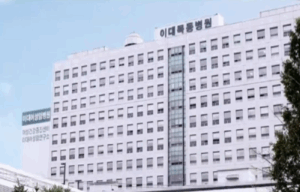 Seoul, South Korea
Medical Center at Ewha Womans University
Seoul, South Korea
Medical Center at Ewha Womans University
-
 Seoul, South Korea
SNUH
Seoul, South Korea
SNUH