


Lymphoma
Disease description
Lymphoma is a group of neoplastic diseases of lymphoid tissue, which includes lymph nodes, spleen, bone marrow, and the thymus gland. It is characterized by the uncontrolled growth of lymphatic system cells and an increase in the number of pathological lymphocytes.
The modern classification divides lymphomas into two groups:
- Hodgkin’s lymphoma (lymphogranulomatosis): a cancerous neoplasm where giant malignant cells of Reed-Berezovsky-Sternberg are found. The source of the lymphoma is the cervical and supraclavicular lymph nodes. Hodgkin’s lymphoma more commonly affects men.
- Non-Hodgkin’s lymphomas: The most commonly encountered tumors (accounting for more than 60% of cases).
Lymphoma affects people of all ages. According to statistics, this pathology is the most common among all cancers in patients under 30 years old. In most young individuals, lymphoma has an aggressive course. The most highly aggressive form is Burkitt’s lymphoma, which can lead to death within just a few weeks.
Symptoms indicating the need for diagnosis and treatment
The patient or their relatives usually notice the pathology when three main signs are present:
- night sweats
- rapid weight loss (against the backdrop of poor appetite, nausea, and vomiting)
- a fever rising up to 38°c
Other general signs of lymphoma include:
- enlargement of lymph nodes (either singly or in clusters)
- asthenic syndrome (fatigue, weakness, exhaustion)
- pain in various locations (head, back, chest, abdomen)
- skin itching (both in the area of the affected lymph nodes and in other areas): this is more commonly observed in hodgkin’s lymphoma, with about one-third of patients reporting this symptom.
Specific symptoms include:
- cough (when lymphoma is located in the chest), painful sensations in the chest, shortness of breath, and the sensation of incomplete inhalation.
- swelling (the location depends on the affected lymph nodes).
Diagnostic and treatment methods
Diagnosis
Advanced technologies in European clinics allow for the early diagnosis of lymphoma, significantly improving patient prognosis. Among the most informative diagnostic methods are:
- Blood tests with a leukocyte formula and immunoglobulin levels
- High-resolution chest X-ray in two projections
- Abdominal ultrasound
- Lymph node biopsy (for patients with classical Hodgkin’s lymphoma, trephine biopsy—obtaining a histological sample of bone marrow—is recommended)
- Bone scintigraphy
Treatment
The treatment of lymphoma at an early stage typically involves a combination of conservative methods, including targeted chemotherapy and radiation therapy. Hodgkin’s lymphoma progresses more slowly compared to non-Hodgkin’s forms, providing more time to use non-surgical approaches.
Highly qualified hemato-oncologists in leading clinics worldwide emphasize the necessity of CAR-T therapy — autologous hematopoietic stem cell transplantation — in cases of active disease progression or early relapse (within one year of initial treatment).
Innovations in global clinics
A new medication for the treatment of Hodgkin’s lymphoma has been successfully tested, significantly improving relapse-free survival rates. This medication belongs to the category of biological therapies, containing antibodies against the CD30 protein, and is specifically designed for targeted therapy.
Top clinics
-

 Baden-Baden, Germany
Max Grundig Clinic
Baden-Baden, Germany
Max Grundig Clinic
-

 Istanbul, Turkey
Acibadem Altunizade
Istanbul, Turkey
Acibadem Altunizade
-
 Istanbul, Turkey
Medistate International Hospital
Istanbul, Turkey
Medistate International Hospital
-
 Istanbul, Turkey
Acıbadem Ataşehir Clinic
Istanbul, Turkey
Acıbadem Ataşehir Clinic
-
 Antalya, Turkey
Hospital Medical Park Antalya
Antalya, Turkey
Hospital Medical Park Antalya
-
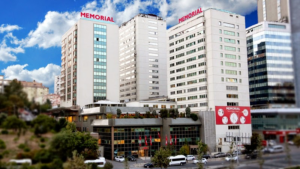 Istanbul, Turkey
Hospital Memorial Şişli
Istanbul, Turkey
Hospital Memorial Şişli
-
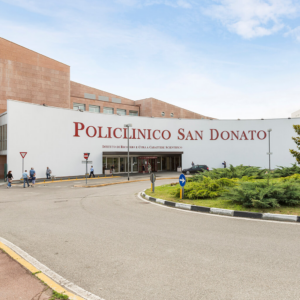
 Milan, Italy
San Donato Hospital
Milan, Italy
San Donato Hospital
-
 Milan, Italy
San Raffaele University Hospital
Milan, Italy
San Raffaele University Hospital
-

 Vienna, Austria
Debling Private Clinic
Vienna, Austria
Debling Private Clinic
-
 Heidelberg, Germany
Heidelberg University Hospital
Heidelberg, Germany
Heidelberg University Hospital
-
 Hamburg, Germany
Asklepios Nord Heidberg
Hamburg, Germany
Asklepios Nord Heidberg
-
 Dusseldorf, Germany
FKKD Clinical Complex
Dusseldorf, Germany
FKKD Clinical Complex
-
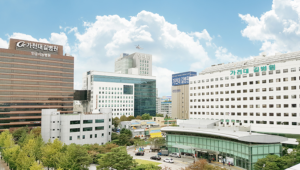
 Incheon, South Korea
Gil Medical Center at Gachon University
Incheon, South Korea
Gil Medical Center at Gachon University
-

 Lausanne, Switzerland
Clinique Montchoisi
Lausanne, Switzerland
Clinique Montchoisi
-
 Nyon, Switzerland
Clinique Genolier
Nyon, Switzerland
Clinique Genolier
-
 Istanbul, Turkey
Memorial Ataşehir Clinic
Istanbul, Turkey
Memorial Ataşehir Clinic
-
 Bodrum, Turkey
Acibadem Bodrum Hospital
Bodrum, Turkey
Acibadem Bodrum Hospital
-

 Barcelona, Spain
QuironSalud Barcelona Hospital
Barcelona, Spain
QuironSalud Barcelona Hospital
-
 Barcelona, Spain
Medical Center Teknon
Barcelona, Spain
Medical Center Teknon
-
 Barcelona, Spain
Sant Joan de Deu Children's Hospital
Barcelona, Spain
Sant Joan de Deu Children's Hospital
-
 Barcelona, Spain
University Hospital Barnaclinic+
Barcelona, Spain
University Hospital Barnaclinic+
-
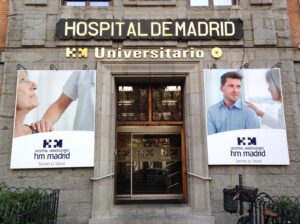 Madrid, Spain
University Clinic HM Madrid
Madrid, Spain
University Clinic HM Madrid
-
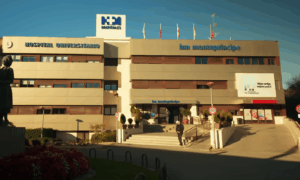 Madrid, Spain
University Hospital HM Monteprincipe
Madrid, Spain
University Hospital HM Monteprincipe
-
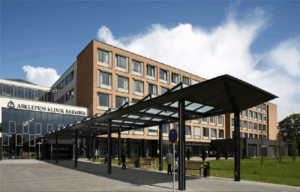 Hamburg, Germany
Asklepios Klinik Barmbek
Hamburg, Germany
Asklepios Klinik Barmbek
-
 Gebze, Turkey
Anadolu Clinic
Gebze, Turkey
Anadolu Clinic
-
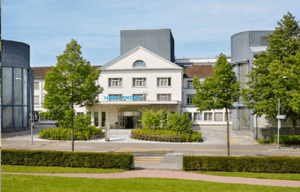 Zurich, Switzerland
Hirslanden Clinic
Zurich, Switzerland
Hirslanden Clinic
-
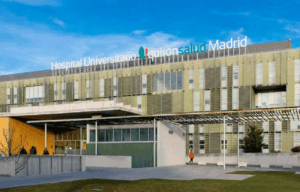 Madrid, Spain
QuironSalud University Hospital
Madrid, Spain
QuironSalud University Hospital
-
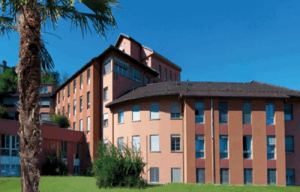 Lugano, Switzerland
Saint Anna Clinic
Lugano, Switzerland
Saint Anna Clinic
-
 Geneva, Switzerland
Clinique des Grangettes
Geneva, Switzerland
Clinique des Grangettes
-
 Duesseldorf, Germany
Oncological Center Dusseldorf
Duesseldorf, Germany
Oncological Center Dusseldorf
-
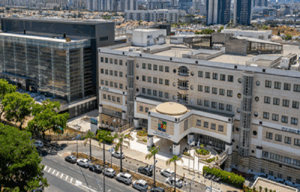
 Petah Tikva, Israel
Schneider Children's Medical Center
Petah Tikva, Israel
Schneider Children's Medical Center
-
 Seoul, South Korea
Samsung Medical Center
Seoul, South Korea
Samsung Medical Center
-
 Seoul, South Korea
Medical Center at Ewha Womans University
Seoul, South Korea
Medical Center at Ewha Womans University
-
 Seoul, South Korea
SNUH
Seoul, South Korea
SNUH
-
 Seoul, South Korea
Asan Medical Center
Seoul, South Korea
Asan Medical Center
-
 Jerusalem, Israel
Hadassah Medical Center
Jerusalem, Israel
Hadassah Medical Center
-
 Petah Tikva, Israel
Medical Center Rabin
Petah Tikva, Israel
Medical Center Rabin
-
 Istanbul, Turkey
Medipol Mega University Hospital
Istanbul, Turkey
Medipol Mega University Hospital
-
 Istanbul, Turkey
Istanbul Florence Nightingale Hospital
Istanbul, Turkey
Istanbul Florence Nightingale Hospital
-
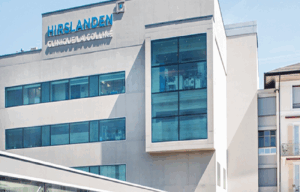 Geneva, Switzerland
Hirslanden Clinique La Colline
Geneva, Switzerland
Hirslanden Clinique La Colline
-
 Geneva, Switzerland
Generale-Beaulieu
Geneva, Switzerland
Generale-Beaulieu
-
 Vienna, Austria
Private clinic Rudolfinerhaus
Vienna, Austria
Private clinic Rudolfinerhaus
-

 Dubai, UAE
American Hospital Dubai
Dubai, UAE
American Hospital Dubai
-
 Freiburg, Germany
University Hospital of Freiburg
Freiburg, Germany
University Hospital of Freiburg
-
 Berlin, Germany
Charité Clinic
Berlin, Germany
Charité Clinic
-
 Munich, Germany
University Hospital of Munich (Ludwig-Maximilians-Universität)
Munich, Germany
University Hospital of Munich (Ludwig-Maximilians-Universität)
-
 Vienna, Austria
Wiener Privatklinik (WPK)
Vienna, Austria
Wiener Privatklinik (WPK)
-
 Zurich, Switzerland
Bethanien Clinic
Zurich, Switzerland
Bethanien Clinic