

 Doctor Arnon Nagler

About the doctor


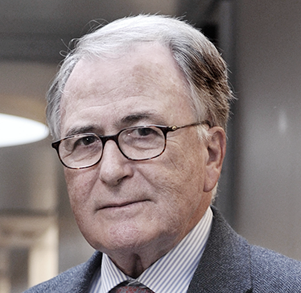
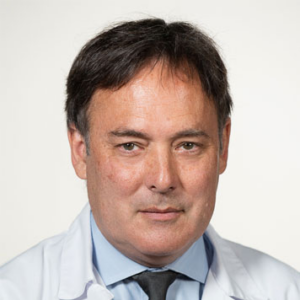
Prof. Arnon Nagler is a world-renowned expert in hematology and Head of the Department of Hematology and Bone Marrow Transplantation at Sheba Medical Center in Ramat Gan, Israel. He is also Professor of Medicine at Tel Aviv University. Professor Nagler has more than 47 years of clinical experience.
Professor Nagler founded Israel’s first public cord blood bank and performed the country’s first hematopoietic stem cell transplants using cord blood from related and unrelated donors for patients with genetic and malignant blood disorders. His clinical and research activities focus on bone marrow transplantation, hematologic malignancies, and adoptive cellular immunotherapy. He has authored more than 400 scientific publications in leading peer-reviewed journals, including the Journal of Clinical Oncology (JCO), Blood, the Journal of Experimental Medicine (JEM), and Leukemia.
Professor Nagler received his medical degree from the Hebrew University in 1977, a Master’s degree in Cell Biology from Tel Aviv University in 1984, and completed advanced training in hematology and bone marrow transplantation at Stanford University, USA, from 1986 to 1990. He is an honorary member of the European transplant community and has actively participated in numerous clinical trials as a principal investigator. Professor Nagler serves on the editorial boards of several specialized journals and is a member of international hematology organizations, including the American Society of Hematology (ASH) and the European Society for Blood and Marrow Transplantation (EBMT).
Professor Nagler provides consultations at Sheba Medical Center and is available for video consultations.
Key areas of expertise: hemato-oncology and hematopoietic stem cell transplantation, including allogeneic transplantation for hematologic disorders; cellular immunotherapy and cord blood transplantation.
Main professional interests of Prof. Arnon Nagler:
- hemato-oncology;
- bone marrow and stem cell transplantation;
- leukemias and other hematologic malignancies;
- myelodysplastic disorders;
- lymphomas;
- bone marrow disorders;
- cord blood transplantation;
- cellular immunotherapy;
- CAR T-cell therapy;
- NK-cell therapy;
- immune complications following transplantation;
- reducing transplant-related toxicity;
- transplantation for malignant and non-malignant hematologic disorders;
- development of novel treatments for hematologic malignancies.