


Stomach cancer
Disease description
Stomach cancer is a malignant neoplasm that forms on the mucous membrane of the stomach. As it grows, it affects other layers, up to and including perforation — a “hole” in the organ. The disease typically occurs in people aged 40-60 years and affects men 1.5-2 times more often. Worldwide, stomach cancer ranks fifth among all cancer types.
The five-year survival rate for stomach cancer diagnosed at an early stage is 80%, and in some cases, the tumor is completely curable. According to statistics, half of all patients seek medical help only after obvious symptoms appear and stage IV of the disease develops. The five-year survival rate in such cases does not exceed 10%. Even with this prognosis, however, modern methods — targeted therapy and immunotherapy — can slow disease progression and, in some cases, achieve stable remission. For more on this, read our article «When Cancer is Detected Late: Is Remission Possible?».
Symptoms indicating the need for diagnosis and treatment
The early stages of tumor development in the stomach are usually asymptomatic. Cancer may not manifest for a long time, but characteristic symptoms appear later:
- Quick satiety with a small amount of food: after eating, there is a feeling of bloating, heaviness, and discomfort
- Frequent belching and heartburn: dysfunction of the cardiac sphincter (between the stomach and esophagus)
- Nausea and episodic vomiting: occur immediately after eating, sometimes with blood
- Stomach pain: located in the upper abdomen, radiating to the sternum
- Rapid exhaustion: tumor growth requires a large amount of energy from surrounding tissues
- Sudden weight loss: due to changes in appetite and impaired absorption of nutrients from food
- Dark stool: feces take on an almost black color due to the presence of blood
Diagnosis and treatment methods
Diagnosis
Fibrogastroduodenoscopy (FGDS): this procedure allows visualization of tumor formations, heterogeneous structures, ulcers, and erosions
Capsule endoscopy: enables visualization of areas that a standard flexible endoscope cannot reach
Endoscopic ultrasound (endosonography): helps accurately determine the depth of tumor invasion and detect changes in regional lymph nodes
Breath test: an ultramodern diagnostic method presented by scientists at the European Congress, based on analysis of exhaled air
Radiological examination: detects defects in the stomach walls and sphincters
Computed tomography (CT, PET-CT): determines the presence of metastases and the extent of tumor spread
Blood test for tumor markers: for stomach cancer, three tumor markers are measured: CA 19-9, CA 72-4, and CEA
Treatment
Oncologists at the world’s leading clinics are experts in the treatment of stomach cancer. When choosing the most effective treatment plan, they take into account factors such as tumor size, spread, presence of metastases, as well as the patient’s current condition and comorbidities.
Surgical treatment
Subtotal or total gastrectomy — complete or partial removal of the stomach performed via endoscopic or laparoscopic access, as well as using the da Vinci robot
Chemotherapy
European clinics use modern cytoreductive surgery in combination with hyperthermic intraoperative chemotherapy (HIPEC)
Metastasis embolization
Doctors at advanced global gastroenterology centers offer metastasis embolization — a procedure that blocks the blood vessels feeding the tumor
Radiation therapy
Stereotactic radiation using next-generation linear accelerators with programmable parameters for the irradiated tumor (area, volume)
Targeted therapy
Selective action of the drug on cancer cells and their destruction (healthy cells are not affected by this type of therapy)
Innovations in global clinics
For stomach cancer, immunotherapy is included in the treatment regimen — checkpoint inhibitors targeting the PD-1 and PD-L1 proteins. These drugs do not contain substances that destroy cancer cells, which makes them well tolerated. Their mechanism of action involves activating the immune system for a natural response against the tumor.
Top Clinics
-
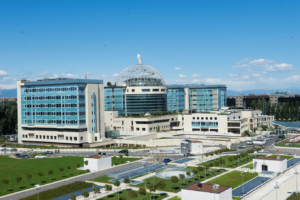
 Milan, Italy
San Raffaele University Hospital
Milan, Italy
San Raffaele University Hospital
-

 Dusseldorf, Germany
FKKD Clinical Complex
Dusseldorf, Germany
FKKD Clinical Complex
-
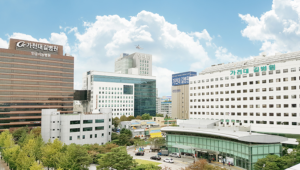
 Incheon, South Korea
Gil Medical Center at Gachon University
Incheon, South Korea
Gil Medical Center at Gachon University
-
 Seoul, South Korea
Medical Center at Ewha Womans University
Seoul, South Korea
Medical Center at Ewha Womans University
-
 Seoul, South Korea
SNUH
Seoul, South Korea
SNUH
-

 Geneva, Switzerland
Generale-Beaulieu
Geneva, Switzerland
Generale-Beaulieu
-
 Tel Aviv, Israel
Assuta Medical Center
Tel Aviv, Israel
Assuta Medical Center
-
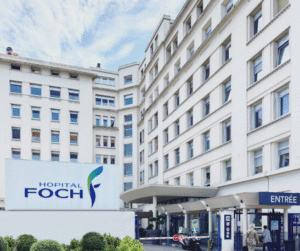
 Suresnes, France
Hospital Foch
Suresnes, France
Hospital Foch
-
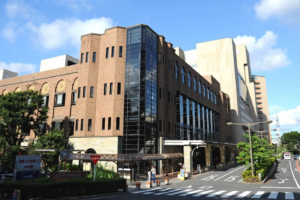
 Tokyo, Japan
The University of Tokyo Hospital
Tokyo, Japan
The University of Tokyo Hospital