


Pancreatic cancer
Disease description
Pancreatic cancer is an oncological disease that affects the pancreas (an organ responsible for both digestive and endocrine functions). The tumor can develop in any part of the pancreas, but according to statistics, 60% of neoplasms are concentrated in the head of the organ.
Men are more likely to develop pancreatic cancer than women. The average age of diagnosis is between 65 and 67 years. Among digestive system cancers, pancreatic cancer ranks fourth in terms of prevalence.
Forms of pancreatic cancer
- Adenocarcinoma: the tumor develops in the cells responsible for producing digestive enzymes. This type accounts for 90% of all cases.
- Neuroendocrine tumor (islet cell carcinoma): forms in the cells responsible for hormone production (particularly insulin). This form is much rarer than adenocarcinoma.
Symptoms indicating the need for diagnosis and treatment
The disease often remains asymptomatic for a long time. In most cases, the diagnosis is made when the tumor has grown large enough to compress neighboring organs.
With neuroendocrine cancer, the patient may experience:
- Weight loss
- Nausea, vomiting
- Muscle weakness
- Skin rash
- Sudden onset of diabetes
With adenocarcinoma, the patient may present with the following symptoms:
- Abdominal or back pain (the location of the pain depends on the tumor’s position: if in the tail — pain on the left, if in the head — pain in the stomach area, center, or slightly radiating to the right side)
- Poor appetite
- Bloating
- Irregular stool (alternating diarrhea and constipation)
Diagnosis and treatment methods
Diagnosis
In addition to examination and lab tests, oncologist-gastroenterologists in top clinics in Europe and worldwide prescribe the following diagnostic procedures:
- Ultrasound (US): early stages of cancer are difficult to detect with this method
- Biopsy: sampling of pancreatic tissue
- CT, MRI, PET-CT
- Endoscopic retrograde cholangiopancreatography: stent placement in the bile duct in cases of jaundice
Treatment
There are three main types of therapy:
Chemotherapy: administered before surgery, during surgery (hyperthermic intraperitoneal chemotherapy), after surgery, or instead of surgery when the tumor cannot be surgically removed
Surgery: the only way to completely remove the tumor. Suitable for 15-20% of patients with pancreatic cancer
Radiation therapy: the most advanced option today is IMRT (intensity-modulated radiation therapy)
Innovations in global clinics
To treat inoperable pancreatic cancer, European medical centers use HIFU (high-intensity focused ultrasound). Ultrasound waves instantly heat and destroy abnormal cells. This therapy is called “scalpel-free oncological surgery” and is suitable for tumors of any size and shape.
Top clinics
-

 Seoul, South Korea
Asan Medical Center
Seoul, South Korea
Asan Medical Center
-

 Jerusalem, Israel
Hadassah Medical Center
Jerusalem, Israel
Hadassah Medical Center
-
 Petah Tikva, Israel
Medical Center Rabin
Petah Tikva, Israel
Medical Center Rabin
-

 Istanbul, Turkey
Medipol Mega University Hospital
Istanbul, Turkey
Medipol Mega University Hospital
-
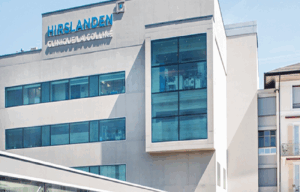
 Geneva, Switzerland
Hirslanden Clinique La Colline
Geneva, Switzerland
Hirslanden Clinique La Colline
-
 Geneva, Switzerland
Generale-Beaulieu
Geneva, Switzerland
Generale-Beaulieu
-

 Baden-Baden, Germany
Max Grundig Clinic
Baden-Baden, Germany
Max Grundig Clinic
-
 Istanbul, Turkey
Acibadem Altunizade
Istanbul, Turkey
Acibadem Altunizade
-
 Istanbul, Turkey
Medistate International Hospital
Istanbul, Turkey
Medistate International Hospital
-
 Istanbul, Turkey
Acıbadem Ataşehir Clinic
Istanbul, Turkey
Acıbadem Ataşehir Clinic
-
 Antalya, Turkey
Hospital Medical Park Antalya
Antalya, Turkey
Hospital Medical Park Antalya
-

 Dubai, UAE
NMC Healthcare
Dubai, UAE
NMC Healthcare
-
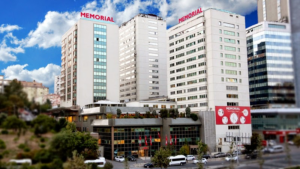 Istanbul, Turkey
Hospital Memorial Şişli
Istanbul, Turkey
Hospital Memorial Şişli
-
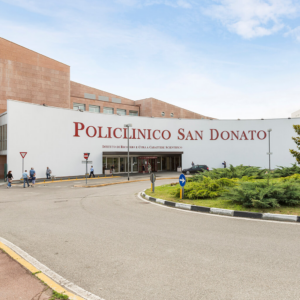
 Milan, Italy
San Donato Hospital
Milan, Italy
San Donato Hospital
-
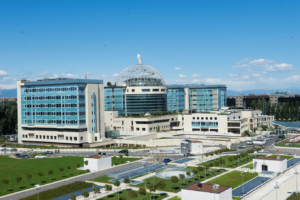 Milan, Italy
San Raffaele University Hospital
Milan, Italy
San Raffaele University Hospital
-
 Abu Dhabi, UAE
Burjeel Hospital Abu Dhabi
Abu Dhabi, UAE
Burjeel Hospital Abu Dhabi
-

 Vienna, Austria
Debling Private Clinic
Vienna, Austria
Debling Private Clinic
-
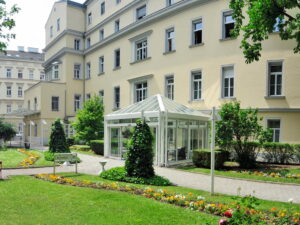 Vienna, Austria
Confraternität Private Hospital
Vienna, Austria
Confraternität Private Hospital
-
 Heidelberg, Germany
Heidelberg University Hospital
Heidelberg, Germany
Heidelberg University Hospital
-
 Hamburg, Germany
Asklepios Nord Heidberg
Hamburg, Germany
Asklepios Nord Heidberg
-
 Dusseldorf, Germany
FKKD Clinical Complex
Dusseldorf, Germany
FKKD Clinical Complex
-
 Winterthur, Switzerland
Clinic Lindberg
Winterthur, Switzerland
Clinic Lindberg
-
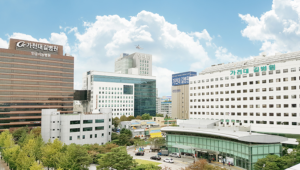 Incheon, South Korea
Gil Medical Center at Gachon University
Incheon, South Korea
Gil Medical Center at Gachon University
-
 Lausanne, Switzerland
Clinique Montchoisi
Lausanne, Switzerland
Clinique Montchoisi
-
 Nyon, Switzerland
Clinique Genolier
Nyon, Switzerland
Clinique Genolier
-
 Istanbul, Turkey
Memorial Ataşehir Clinic
Istanbul, Turkey
Memorial Ataşehir Clinic
-
 Bodrum, Turkey
Acibadem Bodrum Hospital
Bodrum, Turkey
Acibadem Bodrum Hospital
-
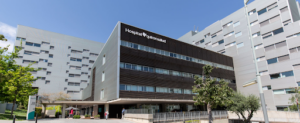
 Barcelona, Spain
QuironSalud Barcelona Hospital
Barcelona, Spain
QuironSalud Barcelona Hospital
-
 Barcelona, Spain
Medical Center Teknon
Barcelona, Spain
Medical Center Teknon
-
 Barcelona, Spain
University Hospital Barnaclinic+
Barcelona, Spain
University Hospital Barnaclinic+
-
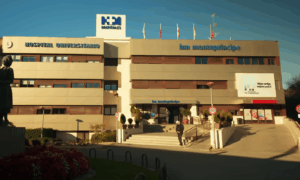 Madrid, Spain
University Hospital HM Monteprincipe
Madrid, Spain
University Hospital HM Monteprincipe
-
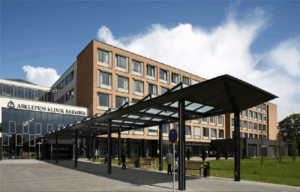 Hamburg, Germany
Asklepios Klinik Barmbek
Hamburg, Germany
Asklepios Klinik Barmbek
-
 Gebze, Turkey
Anadolu Clinic
Gebze, Turkey
Anadolu Clinic
-
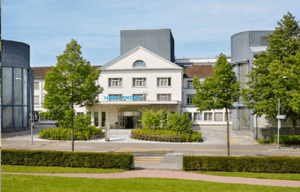 Zurich, Switzerland
Hirslanden Clinic
Zurich, Switzerland
Hirslanden Clinic
-
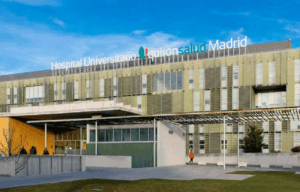 Madrid, Spain
QuironSalud University Hospital
Madrid, Spain
QuironSalud University Hospital
-
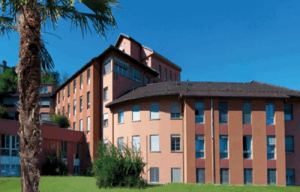 Lugano, Switzerland
Saint Anna Clinic
Lugano, Switzerland
Saint Anna Clinic
-
 Geneva, Switzerland
Clinique des Grangettes
Geneva, Switzerland
Clinique des Grangettes
-
 Duesseldorf, Germany
Oncological Center Dusseldorf
Duesseldorf, Germany
Oncological Center Dusseldorf
-
 Seoul, South Korea
Samsung Medical Center
Seoul, South Korea
Samsung Medical Center
-
 Seoul, South Korea
Medical Center at Ewha Womans University
Seoul, South Korea
Medical Center at Ewha Womans University
-
 Seoul, South Korea
SNUH
Seoul, South Korea
SNUH