


Preeclampsia and Eclampsia
Condition Description
Preeclampsia is a complication of the second half of pregnancy (occurring no earlier than 20 weeks of gestation), characterized by high blood pressure, protein in the urine, and edema. It occurs more often in women with chronic somatic diseases, as well as those under 18 or over 35 years old. The exact cause of this pathology is still unknown.
Eclampsia is a severe progression of preeclampsia, accompanied by seizures of no other origin. It is considered one of the most serious pregnancy complications, requiring immediate medical intervention.
Preeclampsia develops in 3—7% of pregnant women (according to WHO) and can also occur in the postpartum period: up to 25% of cases develop within the first 4-6 weeks after delivery.
Symptoms that require urgent diagnosis and treatment
In addition to the classic triad of preeclampsia symptoms (high blood pressure, proteinuria, and edema), a pregnant woman may present with secondary signs of the condition: headache, nausea and vomiting, oliguria (reduced urine output), vision disturbances, drowsiness, and dry cough.
There are no subjective symptoms at the onset of the pathology. The appearance of the above signs indicates a severe course of preeclampsia, which, without adequate treatment, can quickly progress to eclampsia.
Diagnostic and Treatment Methods
Diagnosis
Patients with suspected preeclampsia in leading global clinics are offered a comprehensive diagnostic program, which includes:
- Complete laboratory testing
- Fetal and uteroplacental ultrasound examination
- Doppler ultrasound (to assess blood flow through the placenta)
- Consultations with specialists, primarily an ophthalmologist (to check intraocular pressure)
Treatment
Mild preeclampsia in leading clinics is treated using both pharmacological and non-pharmacological methods. If the pregnant woman’s condition worsens and progresses to eclampsia, an emergency delivery (urgent cesarean section) is indicated.
Innovations in Leading Global Clinics
To prevent the development and progression of preeclampsia, a predictive approach is applied, based on detecting anti-angiogenic factors and the TGF-beta receptor cofactor, which serve as biomarkers for preeclampsia.
Top clinics
-


 Seoul, South Korea Asan Medical Center
 -



 Jerusalem, Israel Hadassah Medical Center
 -
 Petah Tikva, Israel Medical Center “Rabin”
 -
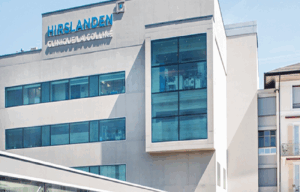
 Geneva, Switzerland Hirslanden Clinique La Colline
 -

 Geneva, Switzerland Generale-Beaulieu
 -
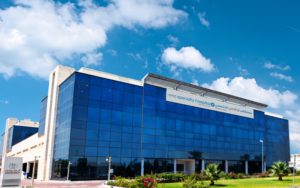

 Dubai, UAE NMC Healthcare
 -
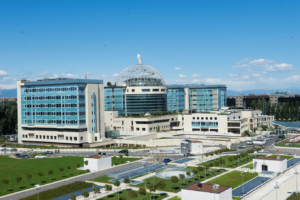

 Milan, Italy San Raffaele University Hospital
 -
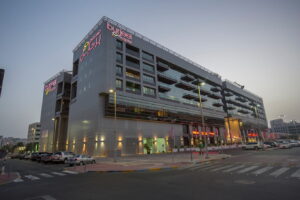 Abu Dhabi, UAE Burjeel Hospital Abu Dhabi
 -

 Incheon, South Korea Gil Medical Center at Gachon University
 -
 Nyon, Switzerland Clinique Genolier
 -


 Barcelona, Spain Dexeus University Hospital
 -
 Barcelona, Spain University Hospital Barnaclinic+
 -
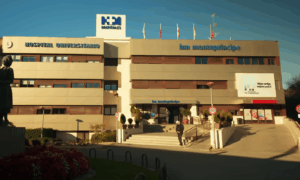
 Madrid, Spain University Hospital HM Monteprincipe
 -
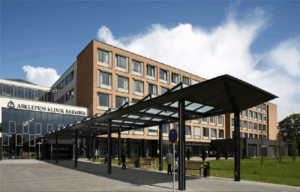
 Hamburg, Germany Asklepios Klinik Barmbek
 -
 Zurich, Switzerland Hirslanden Clinic
 -
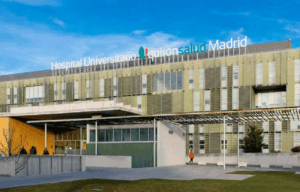 Madrid, Spain Quiron Salud University Hospital
 -
 Lugano, Switzerland Saint Anna Clinic
 -
 Geneva, Switzerland Clinique des Grangettes
 -
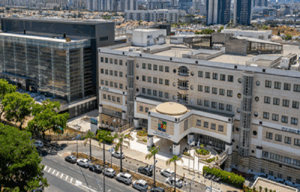 Petah Tikva, Israel Schneider Children's Medical Center
 -
 Seoul, South Korea Samsung Medical Center
 -
 Seoul, South Korea Medical Center at Ewha Womans University
 -
 Seoul, South Korea SNUH
 -
 Ramat Gan, Israel Sheba clinic