


Autoimmune Diseases
Autoimmune diseases are a group of disorders in which the immune system begins to attack the body’s own cells, mistakenly recognizing them as foreign. Normally, the immune system protects the body from viruses and bacteria, but in autoimmune diseases, it loses the ability to distinguish between “self” and “non-self.” The skin, joints, muscles, blood vessels, and even internal organs may come under “attack.”
Autoimmune diseases can develop in both men and women at any age, and children are not an exception. However, according to WHO data, women are twice as likely to be affected as men, with a peak incidence between the ages of 20 and 50. A well-known disease in this group is rheumatoid arthritis, in which the joints are damaged. Other examples include Lyme disease, systemic lupus erythematosus, and vasculitis.
Who should see an immunologist?
One of the first signs of many autoimmune diseases is Raynaud’s syndrome. It is characterized by spasms of peripheral blood vessels, which impair circulation in small vessels of the feet (at the level of the soles) and hands. It is especially noticeable in cold weather or under emotional stress: the extremities acquire a characteristic bluish tint. Other common signs of autoimmune disorders include rash, light patches on the skin (vitiligo), and joint pain.
Depending on the organ affected by the immune system, a person may complain of:
- Psoriasis is accompanied by rashes, itching, dry skin, and joint pain.
- Patients with inflammatory bowel disease experience diarrhea, bloating, constipation, nausea, and cramps.
- In patients with rheumatoid arthritis, joint swelling is observed, often in the hands and feet, with pronounced pain.
- Type 1 diabetes manifests with thirst, frequent urination, hunger, and blurred vision.
- Addison’s disease may cause dizziness, fatigue, low blood glucose, and low blood pressure.
- Vitiligo is characterized by the appearance of light patches on the skin.
- Hashimoto’s disease presents with depression, fatigue, and joint pain.
- Lupus causes joint and muscle pain, fever, and skin rashes — notably, a “butterfly” rash across the cheeks and nose.
- Graves’ disease is characterized by hand tremors, high blood pressure, excessive sweating, and weight loss.
Since autoimmune diseases share similar symptoms, it is crucial to promptly seek help at the best specialized clinic, where a team of doctors (immunologist, rheumatologist, dermatologist) will conduct a thorough diagnosis and make an accurate diagnosis in the shortest possible time.
Diagnosis and treatment of autoimmune diseases
Although systemic diseases are considered incurable, treatment abroad can significantly improve well-being. With the correct treatment approach, regular monitoring by a qualified doctor, and proper therapy, it is possible to achieve long-term remission, which may last for decades.
To accurately determine the nature and activity level of the disease, a number of diagnostic procedures are required:
- Blood tests for specific antibodies: an important diagnostic method that helps detect the presence of autoantibodies — proteins that the immune system produces against the body’s own tissues. For example, antinuclear antibodies (ANA) are often found in systemic lupus erythematosus, and TSH receptor antibodies — in Graves’ disease.
- Genetic tests: some autoimmune diseases are associated with genetic mutations. For example, identification of HLA-B27 alleles. This test is used to diagnose ankylosing spondylitis and other inflammatory conditions, such as reactive arthritis.
- Imaging techniques: MRI, CT, and ultrasound allow for the evaluation of the condition of organs and tissues that may be affected by autoimmune processes. For example, MRI can reveal joint inflammation in rheumatoid arthritis or changes in the central nervous system in multiple sclerosis.
- Tissue biopsy: in some cases, a tissue sample may be required for histological examination. This helps confirm the diagnosis, such as in vasculitis or psoriasis.
Treatment of autoimmune diseases aims to suppress excessive immune system activity, reduce inflammation, and alleviate symptoms. Conservative protocols include immunosuppressants, biologic agents, and hormone therapy.
CAR-T cell therapy: a new approach in treating autoimmune diseases
One of the most innovative treatment methods is CAR-T cell therapy. The mechanism of action of CAR-T therapy is based on the use of the patient’s own T-cells, which are modified in a laboratory to target specific cells that disrupt the immune system.
CAR-T therapy is already successfully used to treat certain types of cancer and is now being applied in cases of systemic lupus erythematosus, multiple sclerosis, and myasthenia.
It is important to note that CAR-T cell therapy is available in a limited number of clinics worldwide, including leading medical centers in the USA, Israel, and Europe.
Where to seek qualified medical help?
| Country | Diseases most effectively treated |
|---|---|
| USA | Rheumatoid arthritis, systemic lupus erythematosus, Lyme disease |
| Germany | Rheumatoid arthritis, vasculitis |
| Israel | Systemic lupus erythematosus, rheumatoid arthritis, Lyme disease |
| Switzerland | Systemic lupus erythematosus, rheumatoid arthritis, vasculitis |
| France | Rheumatoid arthritis, vasculitis, systemic lupus erythematosus |
Artificial intelligence in autoimmune diseases
Artificial intelligence (AI) is actively used in the diagnosis of autoimmune diseases. For example, AI algorithms can analyze x-ray images in rheumatoid arthritis to detect joint inflammation, and in multiple sclerosis, the analysis of MRI brain images makes it possible to track changes in the myelin sheath — the main target for immune cells, which provides nourishment to neurons and conducts impulses through them to the brain.
Hospitality Medservice is your trusted partner in finding the best clinic worldwide. Our website features only authoritative medical institutions equipped with modern facilities and the latest treatment protocols. Compare clinic ratings and treatment costs, learn about the specialists and contact us for assistance in:
- arranging medical trips
- scheduling in-person consultations
- organizing video consultations
- obtaining a “second opinion”
Submit a request on our website, and one of our medical coordinators will contact you promptly.
Top clinics
-


 Istanbul, Turkey Acibadem Altunizade
 -


 Seoul, South Korea Asan Medical Center
 -


 Jerusalem, Israel Hadassah Medical Center
 -
 Petah Tikva, Israel Medical Center “Rabin”
 -

 Istanbul, Turkey Medipol Mega University Hospital
 -
 Geneva, Switzerland Hirslanden Clinique La Colline
 -

 Geneva, Switzerland Generale-Beaulieu
 -

 Istanbul, Turkey Acıbadem Ataşehir Clinic
 -

 Antalya, Turkey Hospital Medical Park Antalya
 -

 Dubai, UAE NMC Healthcare
 -
 Istanbul, Turkey Hospital “Memorial Şişli”
 -

 Milan, Italy “La Madonnina” clinic
 -
 Milan, Italy San Donato Hospital in Milan, Italy
 -

 Milan, Italy San Raffaele University Hospital
 -

 Lassnitzhöhe, Austria Lassnitzhöhe Private Clinic
 -
 Graz, Austria Leech Private Hospital
 -
 Abu Dhabi, UAE Burjeel Hospital Abu Dhabi
 -

 Vienna, Austria Debling Private Clinic
 -
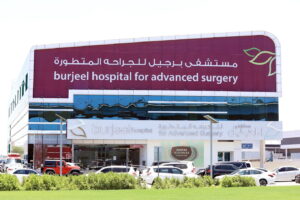 Dubai, UAE Burjeel Hospital
 -

 Heidelberg, Germany Heidelberg University Hospital
 -

 Hamburg, Germany Asklepios Nord Heidberg
 -
 Winterthur, Switzerland Clinic "Lindberg"
 -

 Istanbul, Turkey “Memorial Bahçelievler” Clinic
 -
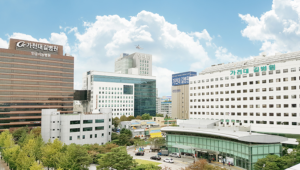
 Incheon, South Korea Gil Medical Center at Gachon University
 -
 Lausanne, Switzerland Clinique Montchoisy
 -
 Nyon, Switzerland Clinique Genolier
 -

 Istanbul, Turkey “Memorial Ataşehir” Clinic
 -

 Antalya, Turkey Memorial Antalya Hastanesi
 -
 Bodrum, Turkey Acibadem Bodrum Hospital
 -
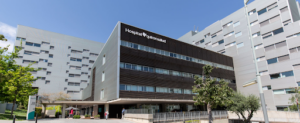

 Barcelona, Spain QuironSalud Barcelona Hospital
 -
 Barcelona, Spain Medical Center "Teknon"
 -
 Barcelona, Spain Sant Joan de Deu Children's Hospital
 -
 Barcelona, Spain University Hospital Barnaclinic+
 -
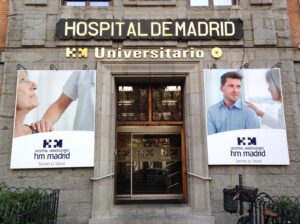
 Madrid, Spain University Clinic HM Madrid
 -

 Madrid, Spain University Hospital HM Monteprincipe
 -
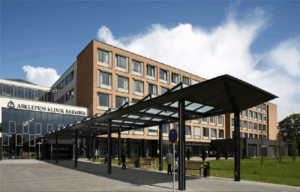 Hamburg, Germany Asklepios Klinik Barmbek
 -
 Gebze, Turkey Anadolu Clinic
 -
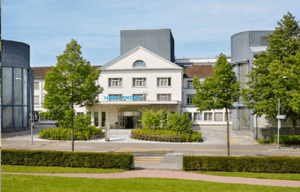 Zurich, Switzerland Hirslanden Clinic
 -
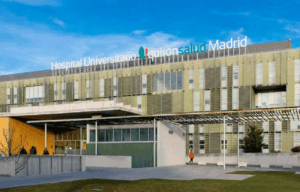 Madrid, Spain Quiron Salud University Hospital
 -
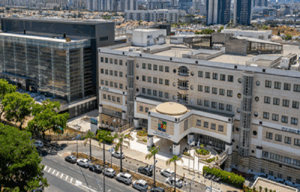 Petah Tikva, Israel Schneider Children's Medical Center
 -
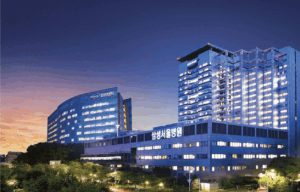 Seoul, South Korea Samsung Medical Center
 -
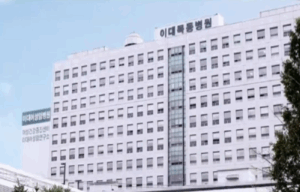 Seoul, South Korea Medical Center at Ewha Womans University
 -
 Seoul, South Korea SNUH
 -
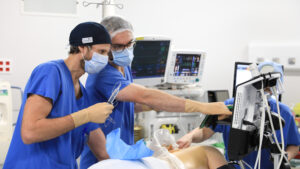
 Paris, France Hospital Foch