


Rehabilitation after trauma and surgery
Rehabilitation after injuries and surgeries at resorts
Rehabilitation after injuries and surgeries is one of the key stages of health recovery. It determines not only the speed of healing but also the subsequent quality of life for the patient. For this purpose, comprehensive rehabilitation programs have been developed at medical wellness resorts. They combine physiotherapeutic techniques, gentle physical activity and a properly structured regime.
Such programs not only help relieve discomfort and unpleasant symptoms after injuries and surgeries but also restore mobility, improve blood circulation and strengthen muscles and ligaments to quickly regain vital body functions.
Indicators for rehabilitation
Rehabilitation is recommended for everyone who needs a smooth transition from treatment to gradually returning to everyday activities. Most often, rehabilitation programs are prescribed in the following cases:
- after surgeries on joints, bones and soft tissues
- for the consequences of spinal and musculoskeletal injuries
- in chronic diseases of the spine and joints (outside the acute phase)
- post-endoprosthetics conditions
- for posture disorders and muscle imbalances
- during recovery periods after prolonged immobilization
- after cardiovascular interventions requiring gradual increase in activity
Methods of medical-resort rehabilitation
Before beginning rehabilitation, patients undergo basic diagnostics. This allows for an assessment of the current state of the body after treatment or injury. Based on the obtained data, specialists develop an individualized recovery program. This program includes several methods that complement each other and enhance overall effectiveness.
Physiotherapy
Physiotherapy plays a key role in rehabilitation after injuries and surgeries. It gently affects the patient’s tissues through heat, light, magnetic fields or electrical impulses.
At resorts, several groups of physiotherapeutic methods are used:
1. Thermal procedures
Thermal methods include paraffin and ozokerite applications, as well as various types of local heating (e.g., infrared heat or warming compresses). Heat improves blood flow in the treated area and helps reduce muscle tension. Such procedures are used in cases of limited mobility, injury aftermaths and post-surgical conditions, where careful handling of soft tissues is important.
2. Magnetotherapy
Low-frequency magnetic fields are used to treat tissues where blood circulation is reduced due to injury, surgery, prolonged immobilization or muscle spasm. These conditions are associated with localized tissue tension and swelling. Gentle magnetic exposure helps improve the nourishment of the affected area, thereby accelerating recovery.
3. Electrotherapy
Electrotherapy methods (including interferential and diadynamic currents) help normalize muscle tone and reduce discomfort in the recovery zone. Electric exposure is selected in such a way as to avoid overloading muscles and joints during the early recovery period.
4. Ultrasound therapy
Ultrasound is used for localized treatment of tissues prone to scar formation or dense muscle consolidations. It promotes tissue softening and improves mobility. In the late stage of rehabilitation, ultrasound therapy helps prepare muscles and ligaments for more complex physical activities.
Balneotherapy
Balneotherapy is health improvement through the use of natural mineral waters. Mineralized water affects the body in several ways simultaneously:
- mechanically — through pressure and buoyancy;
- thermally — due to a stable temperature;
- chemically — via minerals, salts and gaseous components (such as oxygen, hydrogen sulfide, etc.) contained in the water.
At well-known resorts, several types of balneotherapy procedures are practiced simultaneously, each with its own medicinal effects. For example, mineral baths help relax muscles and improve joint mobility. Shower techniques allow targeted treatment of tension zones and help prevent lymphatic stasis. Underwater gymnastics, in turn, enable increased body mobility and muscle frame strengthening without excessive pressure on the spine and large joints.
In many European countries, balneotherapy is part of an ancient medical tradition. For instance, in Karlovy Vary, mineral springs have been used for health purposes since the 14th century, with the first organized resort buildings appearing at the court of Charles IV. Over centuries, waters of various temperatures and mineral compositions have been used in baths, drinking courses and procedures for recovery after various conditions.
Slovenia is also famous for its balneological resorts. One of them is Rogaška Slatina. The local water Donat Mg has even become one of the city’s symbols due to its high magnesium content and unique mineral profile.
Therapeutic physical training
The main goal of therapeutic physical training is to restore the mobility of a person who has undergone injuries or surgeries. Movement is essential for the body’s recovery after forced temporary immobilization. In the medical resort setting, physical activities are carried out gently and only under the supervision of specialists. The load increases gradually, based on the individual’s capabilities and medical history.
The most common LFK methods used in sanatorium-resort programs include:
- Exercises in the pool or natural bodies of water. Water-based activities reduce stress on joints and the spine, allowing movements that cause pain or restriction on land to be performed more comfortably. In water, it is effective to practice joint movements, balance exercises or strengthen deep muscles.
- Stretching. It helps increase flexibility, relieve muscle tension, restore the range of motion and reduce the risk of further injury.
- Land-based training to strengthen the core muscles. These routines aim to rebuild muscle strength, stabilize the spine and develop proper movement skills. Equipment such as resistance bands, gym balls and low-impact trainers may be used for these exercises.
Therapeutic physical training programs are tailored to the specific goals of each client: some need to restore posture and gait after orthopedic surgeries, others — to regain muscle strength after injuries, third — to work on joint mobility and so on.
Massage and manual techniques
During massage, direct influence is exerted on the superficial and deep tissues of the individual. This mechanical impact reduces muscle tension, improves blood circulation and increases the elasticity of soft tissues. Through massage techniques, it is possible to gradually improve the range of motion and increase joint mobility.
The most common types of massage in rehabilitation programs are:
- Classic massage, used to relax overloaded muscles, improve tissue nutrition and prepare the body for physical activity.
- Lymphatic drainage technique involving gentle, rhythmic movements aimed at reducing edema and improving lymphatic flow.
- Segmental massage, which targets specific body areas related to muscular and joint disorders. It helps to correct local functional limitations.
- Continuous passive motion (CPM therapy), where a specialist gently mobilizes joints to help restore their natural mobility without excessive effort. This method is most often applied after endoprosthetics or arthroscopy.
- Special techniques for gentle yet deep impact on muscles. They help reduce muscle tension and improve their elasticity.
In different countries, massage traditions have their own features. For example, at Turkish resorts, techniques associated with the hammam culture are very popular. Warm steam, a heated stone table, and gentle foam create excellent conditions for deep relaxation. The manual work of the therapist helps to relieve muscle tension after water procedures. Oil massages, which use natural aromatic blends for a gentler tissue treatment, are also widely used here.
Top countries for rehabilitation at resorts
We cooperate with a large number of resorts that successfully implement rehabilitation programs. For convenience, we have compiled a list of countries characterized by the level of medical care, a variety of techniques and the uniqueness of natural resources.
Hungary
In Hungary, the main rehabilitation methods are centered around thermal springs, which the country is famous for. Programs combine scientific advances in physiotherapy with procedures based on mineralized water.
In warm thermal springs, guests find it easier to perform water exercises and restore range of motion after a period of activity restriction. The water in thermal pools is rich in beneficial minerals, and the stable temperature helps muscles relax faster than during regular dry exercises.
In Hungary, vacationers can choose a resort to their liking. Some are located in peaceful coniferous forest areas (e.g., around Heviz), while others are set in hilly landscapes (e.g., Bükfürdő). At Budapest resorts, thermal complexes are adjacent to wide embankments, green parks and smooth walking routes, convenient for recovery after physical activity.
TOP hotels:
-
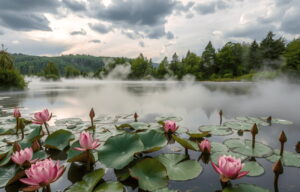
 Hévíz, Hungary Hotel Europa Fit 4*S
 -
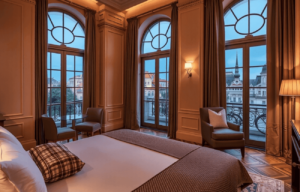
 Budapest, Hungary Ensana Thermal Margaret Island Health Spa Hotel 4*S
 -
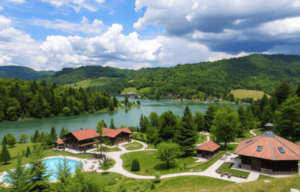 Bük-Bükfürdő, Hungary Greenfield Hotel Golf & Spa 4*
 -
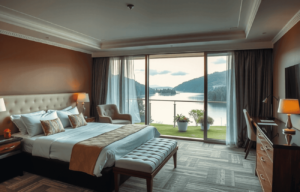 Hévíz, Hungary NaturMed Hotel Carbona 4*S
 -
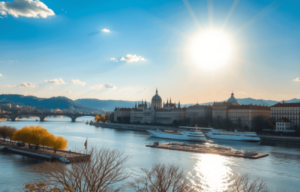 Budapest, Hungary Ensana Grand Margaret Island Health Spa Hotel 4*S
 -
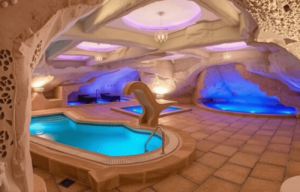 Hévíz, Hungary Ensana Thermal Aqua 4*S Hotel
 -
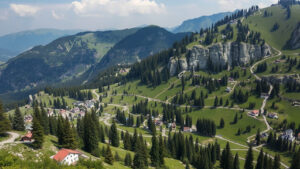
 Sárvár, Hungary Spirit Hotel Thermal SPA 5*S
 -
 Hévíz, Hungary Lotus Therme Hotel & Spa 5*
Turkey
Over the past decade, Turkey has made significant advances in the development of medicine (including rehabilitative medicine). Every year, thousands of tourists from around the world come here to undergo rehabilitation programs after injuries and surgeries on the musculoskeletal system. Recovery includes hardware methods, gentle manual techniques and personalized training under the supervision of specialists.
In addition to scientific achievements, Turkey has one more important advantage — its unique natural conditions. The marine climate of the Aegean and Mediterranean coasts is mild and stable, without sharp temperature fluctuations. Such an environment is suitable for breathing practices and outdoor training. The air, rich in marine aerosols, helps to better tolerate any physical activity.
Italy
In Italy, rehabilitation programs rely on two natural factors: thermal springs and the marine climate. The country has preserved a rich tradition of using thermal waters, which dates back to antiquity. Many resorts developed around springs during the Roman Empire era and remain popular destinations for medical tourism to this day.
Italian thermal waters are diverse in composition. Various regions feature sulfate, iodine-bromine, carbon dioxide and sodium-calcium springs. This variety allows for tailoring procedures based on recovery tasks.
In Italy’s coastal regions (for example, in several resorts of Tuscany), the marine climate plays an important role in rehabilitation. Tourists have the opportunity to swim in the sea and engage in physical therapy outdoors almost year-round. Thanks to this combination of a mild climate and accessible natural factors, recovery programs are generally easier for visitors, especially for those who need to avoid sharp temperature fluctuations and intense physical activity.



Czech Republic
The Czech Republic is known for its balneological resorts, where rehabilitation programs traditionally revolve around natural mineral springs. Even within a single resort, the waters differ in mineral profile and temperature. This allows for combining drinking cures, mineral baths and physiotherapeutic techniques within one program.
In Karlovy Vary, for example, the springs are characterized by high temperature and a rich mineral profile (ranging from weak to highly mineralized bicarbonate-sulfate sodium waters). They are used for gentle tissue warming and microcirculation improvement. In Mariánské Lázně, carbon dioxide baths are widely used. They enhance peripheral blood circulation and produce a mild vascular response, which helps patients transition more easily to physical activity. Such diversity of natural factors makes Czech programs versatile for various stages and goals of recovery.

Hospitality MedService collaborates only with trusted resorts, clinics and hotels that have all the necessary facilities for quality treatment and wellness. We will help you select the best destination and program, considering your diagnosis, goals and personal preferences.