

Delayed Motherhood
Disease description
Due to the fast pace of life, the desire for self-realization, and possible medical contraindications, a woman may postpone the birth of a child for some time. It is important to understand that the older the potential mother becomes, the lower the chances of conception and giving birth to a healthy baby.
A woman’s reproductive potential is not unlimited and is genetically determined. Some women are capable of conceiving and carrying a child at the age of 45, while others exhaust their supply of oocytes as early as 35. In the world’s leading clinics, ovarian reserve can be assessed, and the delayed motherhood program can be offered.
Delayed motherhood makes it possible to obtain high-quality oocytes through retrieval and subsequent rapid freezing. Genetic material stored in this way can be preserved for many years without losing its qualities for later fertilization.
When delayed motherhood is necessary
- If a woman is not ready to become a mother due to a number of factors: absence of a partner, focus on career, or existing health conditions that must be treated before pregnancy
- If close relatives (mother, grandmother, sister) experienced menopause before the age of 49
- If a woman has already entered an IVF protocol and wants to preserve part of the oocytes for the future
- If a woman is about to undergo treatment that may impair reproductive function (most often chemotherapy or radiation therapy)
What to expect during the oocyte freezing procedure
After a joint decision with the physician on delayed motherhood, the patient undergoes an ovarian stimulation course during that cycle (to obtain the maximum number of mature oocytes). Follicle growth is regularly monitored via ultrasound, and once they have matured (approximately after 12-15 days), an oocyte retrieval is performed. The woman is discharged home on the same day as the retrieval procedure.
How the material is used
Germ cells are stored in a specialized cryobank. When the woman or couple decides they are ready for childbirth, they will undergo an IVF procedure.
Innovations in global clinics
Embryology laboratories are equipped with state-of-the-art technology that allows for genetic-level assessment of the retrieved oocytes, ensuring that only the most viable cells are selected.
Diseases
Top Clinics
-

 Barcelona, Spain
Sant Joan de Deu Children's Hospital
Barcelona, Spain
Sant Joan de Deu Children's Hospital
-

 Lugano, Switzerland
Saint Anna Clinic
Lugano, Switzerland
Saint Anna Clinic
-
 Geneva, Switzerland
Clinique des Grangettes
Geneva, Switzerland
Clinique des Grangettes
-

 Seoul, South Korea
Medical Center at Ewha Womans University
Seoul, South Korea
Medical Center at Ewha Womans University
-

 Ramat Gan, Israel
Sheba clinic
Ramat Gan, Israel
Sheba clinic
-
 Petah Tikva, Israel
Medical Center Rabin
Petah Tikva, Israel
Medical Center Rabin
-
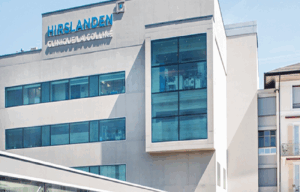 Geneva, Switzerland
Hirslanden Clinique La Colline
Geneva, Switzerland
Hirslanden Clinique La Colline
-

 Freiburg, Germany
University Hospital of Freiburg
Freiburg, Germany
University Hospital of Freiburg
-

 Singapore
Mount Elizabeth Hospitals
Singapore
Mount Elizabeth Hospitals