


Erectile dysfunction
Disease description
Erectile dysfunction (ED), also known as impotence, is the inability to maintain an erection sufficient for sexual intercourse. According to statistics, one in ten men experiences erectile dysfunction, with the incidence of early-onset impotence increasing in the world.
This condition can occur as an independent disorder or serve as a marker of serious cardiovascular issues such as coronary artery disease (CAD), arrhythmias, and atherosclerosis. Approximately 40% of all ED cases are of psychogenic origin, often linked to stress, sleep deprivation, anxiety, and neuroses.
Erectile dysfunction is also the most common complication following prostatectomy—the surgical removal of the prostate gland. This issue arises due to nerve and vascular damage affecting erectile function.
In such cases, penile prosthesis implantation is recommended, involving the placement of specialized implants into the penis. This method effectively restores erectile function, enabling men to resume a full sexual life. Penile prosthesis implantation has a high success rate and is a proven solution for ED following prostatectomy.
Symptoms indicating the need for diagnosis and treatment
Early signs of sexual dysfunction include:
- Absence of orgasm and ejaculation
- Premature ejaculation
- Loss of erection during intercourse
- Decreased libido
Diagnosis and treatment methods
Diagnosis
To identify erectile dysfunction, leading clinics conduct the following diagnostic procedures:
- Tests for STIs (sexually transmitted infections)
- Prostate secretion analysis
- Doppler ultrasound
- Cavernosography
- Psychotherapeutic assessment
Treatment
The treatment of male sexual dysfunction depends on the underlying cause:
- Psychogenic factors: use of specific medications combined with psychotherapy
Hormonal imbalances: implementation of hormone replacement or suppression therapy - Vascular insufficiency: use of medications and physiotherapy; in severe cases, surgical intervention, including penile prosthesis implantation
Among modern treatments for erectile dysfunction is Platelet-Rich Plasma (PRP) therapy, which involves the injection of platelet-enriched plasma to restore tissue and vascular regeneration.
Innovations in global clinics
A modern surgical technique is penile revascularization, which focuses on creating new blood vessels in the penis to enhance blood flow. Similarly, penile reinnervation is used, where nerve tissues from the patient’s leg are used to restore nerve function in the penis.
Procedures
Top Clinics
-


 Freiburg, Germany University Hospital of Freiburg
 -
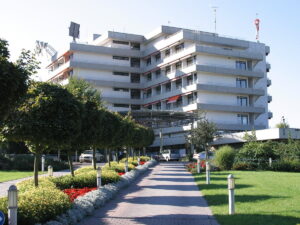
 Bad Krozingen, Germany University Heart Center Freiburg
 -
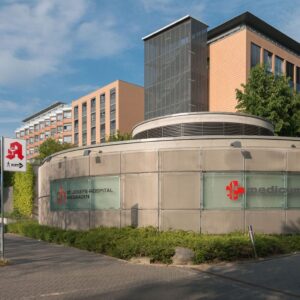
 North Rhine-Westphalia, Germany The United Catholic Clinics St. Antonius and St. Joseph
 -

 Duisburg, Germany Duisburg-Nord Hospital
 -

 Hamburg, Germany Asklepios Nord Heidberg
 -

 Duisburg, Germany Bethesda Clinical Complex
 -
 Oberhausen, Germany Clinic Oberhausen of the Niederrhein complex
 -

 Heidelberg, Germany Heidelberg University Hospital
 -
 Berlin, Germany Charité Clinic
Top Doctors
-
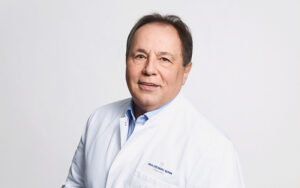 Manfred Zehender Cardiologist
 -
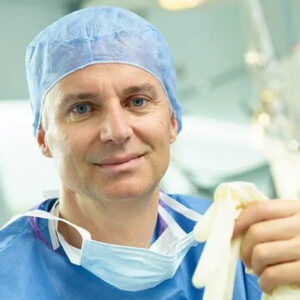 Christoph Lill Orthopedic Traumatologist
 -
 René Malzkorn Orthopedic Traumatologist
 -
 Clemens Unger Oncologist
 -
 Christoph Müller Neurologist
 -
 Gabriele Linder-Wesel anti-aging medicine
 -
 Justus Doister Hemato-oncologist
 -
 Robert Timme oncologist-gastroenterologist
 -
 Ingolf Juhasz-Boes Obstetrician-Gynecologist