


Sanatorium treatment for gastrointestinal diseases
The digestive system strongly reacts to any changes in lifestyle. Chronic stress, constant rush, irregular eating habits, and long gaps between meals can lead to various gastrointestinal diseases. Once the acute phase of the illness is over, it is important for the body to restore digestive stability. Specially designed wellness resorts programs help to address this challenge.
The role of resort factors in the recovery of the gastrointestinal tract
Resorts have created favorable conditions for the normalization of the gastrointestinal (GI) organs. They combine several natural factors: mineral waters, a moderate climate and a calm atmosphere that positively influence the body’s functioning.
Mineral waters at resorts differ in composition, and therefore their effects on the digestive system are not the same. Some waters reduce acidity and help with feelings of heaviness after meals, while others improve bowel function or support the biliary system.
The temperature of such waters additionally softens sensitive mucous membranes, which is particularly important during the recovery period of dietary regimes.
The work of the GI system is influenced not only by water but also by the surrounding environment. A calm climate, moderate temperature and absence of sharp fluctuations create conditions in which the digestive system functions more evenly. At resorts, the usual daily rhythm slows down: people walk more, eat at the same time and rest sufficiently. Such a regime reduces tension in the autonomic nervous system — which is often responsible for stress responses that adversely affect the GI system.
Resorts programs are recommended for the following conditions of the gastrointestinal tract:
- chronic gastritis in the remission phase
- functional dyspepsia
- irritable bowel syndrome
- chronic colitis outside of exacerbation
- liver diseases and biliary tract diseases
- consequences of previous inflammatory diseases of the GI organs
Methods of resort treatment for gastrointestinal diseases
The goal of resort programs for patients with gastrointestinal diseases is to maintain the natural digestion processes and create conditions for body recovery after periods of exacerbation. For this, a comprehensive set of methods is used.
Drinking courses of mineral waters
Mineral waters travel a long path underground, gradually becoming enriched with salts, gases and beneficial microelements for the body. Deep-seated sources are characterized by a stable temperature and consistent mineral composition, which is important for conducting drinking courses.
Each resort has its own mineral profile. For example, in France, sources rich in silicic acid are more common. In contrast, Czech sources predominantly feature bicarbonate-sodium waters. The composition directly affects the effectiveness of the water.
At resorts, several types of mineral waters are most often used simultaneously:
- hydrogencarbonate — affect gastric secretion and help reduce mucous membrane irritation
- sulfate — support liver function and stimulate natural bile flow
- siliceous — exert a gentle anti-inflammatory effect and help normalize wall-based digestive processes
- chloride-sodium — support the secretion of digestive juices and help the body handle food intake more easily
The composition, temperature and volume of water for internal consumption are selected individually. Usually, drinking courses include several doses throughout the day and are generally taken before meals. At this time, the influence on digestive processes is most effected.
Diet therapy
Nutrition is one of the main factors influencing gastrointestinal health. Naturally, resorts place special emphasis on creating balanced diets aimed at:
- eliminating dietary irritants (foods and dishes that negatively affect the condition of the GI tract)
- stabilizing the eating regimen
- creating conditions for the organs of digestion to work most effectively
The foundation of diet therapy is thoughtful culinary processing and a strict meal schedule. Gentle methods of preparation (boiling, stewing, steaming) reduce the load on mucous membranes, while a uniform or minced texture of dishes helps the intestines operate without overload. Great attention is also paid to food temperature: avoiding overly hot or cold dishes reduces the risk of spasms and irritation.
The composition of the diet is tailored based on the nature of the disease. For example, in cases of gastritis and peptic ulcers, it is important to reduce acid aggression and create the most comfortable conditions for mucosal regeneration. When there are motility disorders of the intestines, the focus is on products that help normalize peristalsis and reduce gas formation. In liver and biliary tract diseases, the diet aims to improve bile flow and reduce the workload on enzymatic systems.
At some European resorts, nutritionists work alongside dietitians. Their task is to consider not only the specifics of the disease but also the individual metabolic profile, food tolerances and eating habits of the person. This approach helps to more accurately form diets that meet the body’s nutritional needs. This field is especially developed in Italy and France, where nutritional methods are actively used for the prevention of alimentary-dependent diseases (conditions closely linked to diet and lifestyle factors).
Physiotherapy
Physiotherapy at resorts is used as an additional recovery tool for chronic gastrointestinal diseases. It is applied to:
- improve blood circulation of the abdominal organs
- reduce spastic symptoms
- stabilize autonomic mechanisms, which largely influence the functioning of the stomach and intestines
The wellness programs typically include gentle thermal procedures, magnetotherapy and mild forms of electrostimulation.
Thermal methods help relax tense abdominal muscles and improve local blood flow. Magnetotherapy is used when it is important to support microcirculation and reduce the severity of functional disorders. Electro-stimulation is included in the program when there is a need to influence motility: pulsed stimulation helps to normalize muscle tone and improve the rhythm of intestinal activity.
It is important to understand that physiotherapeutic methods are prescribed only during the remission phase and always with consideration of the diagnosis and any accompanying conditions.
Therapeutic physical training
At resorts, therapeutic physical exercises aim to restore the body’s natural movement rhythm and improve the function of the diaphragm — a key participant in digestive processes. When breathing becomes deeper and freer, the diaphragm works more actively, which in turn promotes better dynamics within the abdominal cavity.
During exercises, the diaphragm gently influences the digestive organs. This movement creates an internal massage effect: blood circulation in the areas of the stomach, liver, and intestines improves, the feeling of heaviness diminishes and the tendency toward stagnation decreases.
On resort programs, physical therapy typically includes:
- breathing exercises aimed at activating the diaphragm
- therapeutic walking at a moderate pace
- aquagymnastics in pools with comfortable water temperature
- exercise routines to strengthen core muscles and improve posture
Even short workouts enhance the body’s metabolic response and increase resilience to daily stresses.
TOP countries for digestive system wellness
Hungary
Most of Hungary’s territory is covered by volcanic rocks, which has led to the formation of one of the world’s largest thermal networks. The waters at Hungarian resorts are highly diverse: sources within the same city can differ in temperature, mineralization and therapeutic focus.
This feature has enabled the development of comprehensive programs for the gastrointestinal tract (GIT), including several types of waters (rich in calcium, magnesium, bicarbonates and sulfates). Morning waters are used to stimulate secretion and motility, daytime waters for normalizing digestion and evening waters to reduce functional tension of the stomach and intestines. Thus, the drinking regimen is tailored to the body’s biorhythms, making the therapy particularly effective.
TOP hotels
-


 Hévíz, Hungary Hotel Europa Fit 4*S: thermal baths and mud therapy in Hévíz
 -

 Budapest, Hungary Ensana Thermal Margaret Island Health Spa Hotel 4*S: treatment of arthritis and joints in Budapest
 -
 Hévíz, Hungary NaturMed Hotel Carbona 4*S
 -
 Budapest, Hungary Ensana Grand Margaret Island Health Spa Hotel 4*S
 -
 Hévíz, Hungary Ensana Thermal Aqua 4*S Hotel
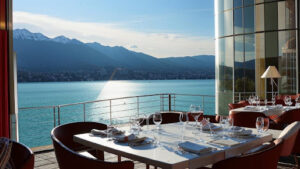
France
In French resorts, special attention is paid to balanced nutrition. The diet is viewed as a tool capable of normalizing gastric secretion, reducing inflammatory manifestations and stabilizing intestinal motility.
In many French health spas and hotels, two specialists — a dietitian and a nutritionist — work together on nutrition programs. This combination allows for consideration not only of the condition of the gastrointestinal tract (GIT) but also of the individual’s needs for macro- and microelements. Menu is individualized: specialists adjust portion sizes, set a precise eating schedule and select preparation methods that reduce the load on the digestive system.
Mineral waters also play an important role in the prevention and treatment of GIT disorders. At Vichy resorts, the sources are characterized by a gentle bicarbonate-sodium composition, used to regulate stomach acid and improve digestion. These waters are traditionally prescribed for gastritis, functional dyspepsia and conditions associated with overload of the digestive tract.



Italy
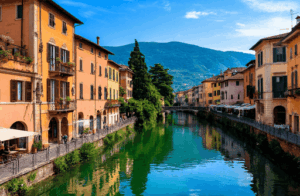
Italy is characterized by a wide variety of mineral waters and a long-standing tradition of their use in treating gastrointestinal diseases. The most popular Italian resort city for GIT health is Tuscany. In Tuscan resorts, mainly sulfated and bicarbonate waters are used. Such compositions are suitable for people with gastric secretion disorders, biliary tract dysfunctions and conditions accompanied by discomfort after eating. Sources with varying degrees of mineralization are found here, so drinking courses are tailored to specific recovery goals.
Coastal regions offer another advantage — a mild climate that reduces nervous tension and stabilizes the function of the autonomic nervous system. Regular walks, stable temperatures and light humidity create a calm environment, beneficial for gastritis, dyspepsia and irritable bowel syndrome (diseases often exacerbated by stress and emotional tension).




Czech Republic
Wellness programs in the Czech Republic revolve around mineral springs, each with its own chemical profile and temperature.
Karlovy Vary is known for its bicarbonate-sulfate waters. They are used for chronic gastritis (during remission), gastric secretion disorders, liver diseases and biliary tract conditions. The water temperature is selected individually: warm varieties gently regulate acidity and relax smooth muscles, while cooler waters stimulate motility.
At sources in Mariánské Lázně, carbonic and iron-rich waters are located. The first group improves peripheral circulation and promotes normalization of the autonomic regulation. Iron-rich waters are prescribed for those with low hemoglobin, decreased appetite and general weakness — conditions often accompanying chronic gastrointestinal diseases.
TOP hotels
-


 Karlovy Vary, Czech Republic Savoy Westend Hotel Luxury Medical & SPA Resort 5*
 -
 Karlovy Vary, Czech Republic Luxury Spa Hotel Olympic Palace 5*
 -
 Mariánské Lázně, Czech Republic Ensana Centralni Lazne — Maria Spa 4*
 -
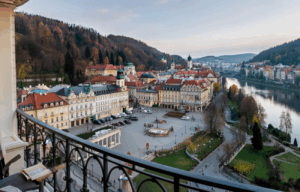 Karlovy Vary, Czech Republic Dvorak Spa & Wellness 4*
 -
 Karlovy Vary, Czech Republic Imperial 5*
Hospitality MedService cooperates only with trusted resorts, clinics and hotels. There are all conditions for high-quality treatment and wellness. We will help you choose the best direction and program, taking into account the diagnosis, goals and personal preferences.