


Rehabilitation after traumatic brain and spinal cord injuries
Cranio-cerebral (TBI) and spinal cord (SCI) injuries account for up to 40% of all trauma cases. These types of injuries are accompanied by neurological symptoms, both generalized and focal, indicating damage to the brain or spinal cord.
Clinical forms of TBI and SCI include:
- Concussion
- Brain contusion (mild, moderate, or severe)
- Brain compression (with or without contusion)
The majority of such injuries occur as a result of road traffic accidents, falls, and blunt force trauma. Clinical manifestations vary depending on the extent of damage to brain structures.
Patients who have suffered traumatic brain or spinal cord injuries often experience a range of physical and neurological impairments, including:
- Motor dysfunctions (walking, coordination, balance)
- Sensory disturbances (vision, hearing, touch)
- Cognitive disorders (memory, speech, attention, thinking)
Specifics of the procedure in world-class clinics
Throughout all stages of rehabilitation after traumatic brain and spinal cord injuries, the patient is supervised by a highly qualified rehabilitation physician. The primary goal is to restore the conduction of nerve impulses. The program includes a combination of methods selected according to medical indications and individual characteristics.
To restore motor function, leading global clinics employ innovative techniques.
Deep muscle and joint training is performed using suspension support systems that reduce the load from the patient’s body weight. Underwater and antigravity treadmills are also used to “turn off” gravity.
Exoskeleton
The main focus in rehabilitation is on robot-assisted therapy. The gait-assist exoskeleton helps maintain movement in patients with lower limb impairments (often after spinal cord injuries).
Advantages of the exoskeleton:
- Reduced pain and spasticity
- Weight loss, improved bowel function
- Better trunk control
Locomat
To restore and develop the walking skill after brain and spinal injuries, top global clinics use the ultra-modern LocomatPro system. It simulates a natural gait and, through feedback, activates the brain’s sensorimotor neurons responsible for movement.
The FreeD module allows the leg to move in four degrees of freedom (ankle, knee, and two planes of the hip joint).
Translingual neurostimulation
This method affects the central nervous system by stimulating receptors on the tongue. Neurostimulation is delivered by a device attached to the patient’s neck and the tip of the tongue. Electrical impulses enhance the function of various brain regions.
Diseases
Top clinics
-
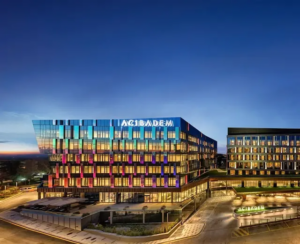
 Istanbul, Turkey Acibadem Altunizade
 -

 Seoul, South Korea Asan Medical Center
 -
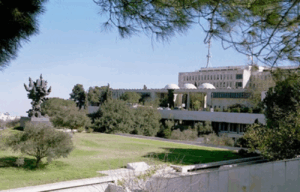

 Jerusalem, Israel Hadassah Medical Center
 -
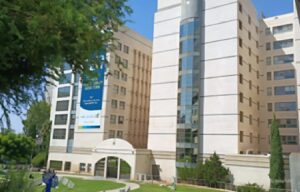 Petah Tikva, Israel Medical Center “Rabin”
 -
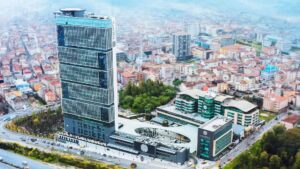
 Istanbul, Turkey Medipol Mega University Hospital
 -
 Istanbul, Turkey Istanbul Florence Nightingale Hospital
 -

 Geneva, Switzerland Generale-Beaulieu
 -
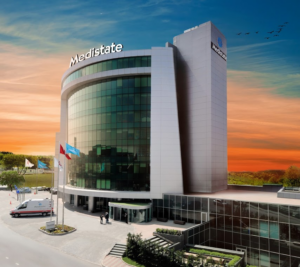
 Istanbul, Turkey Medistate International Hospital
 -
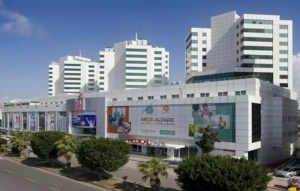
 Antalya, Turkey Hospital Medical Park Antalya
 -

 Bursa, Turkey Group of orthopedic clinics Turan&Turan
 -
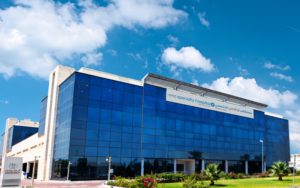

 Dubai, UAE NMC Healthcare
 -
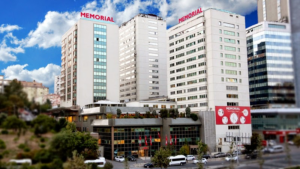 Istanbul, Turkey Hospital “Memorial Şişli”
 -
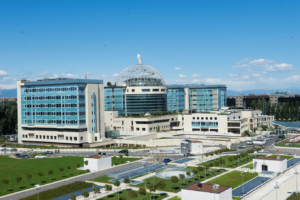
 Milan, Italy San Raffaele University Hospital
 -
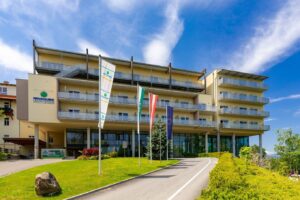
 Lassnitzhöhe, Austria Lassnitzhöhe Private Clinic
 -
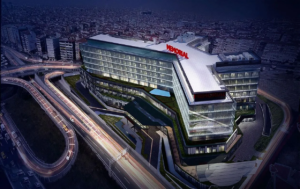
 Istanbul, Turkey “Memorial Bahçelievler” Clinic
 -
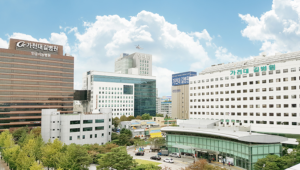
 Incheon, South Korea Gil Medical Center at Gachon University
 -
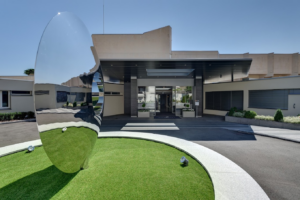 Nyon, Switzerland Clinique Genolier
 -
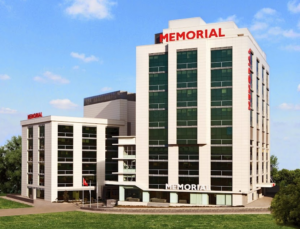
 Istanbul, Turkey “Memorial Ataşehir” Clinic
 -
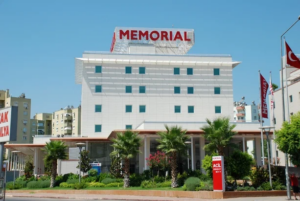
 Antalya, Turkey Memorial Antalya Hastanesi
 -
 Seoul, South Korea H+ Yangji Hospital
 -
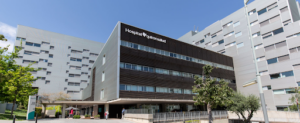

 Barcelona, Spain QuironSalud Barcelona Hospital
 -
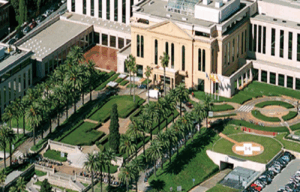 Barcelona, Spain Medical Center "Teknon"
 -
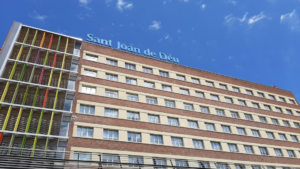 Barcelona, Spain Sant Joan de Deu Children's Hospital
 -
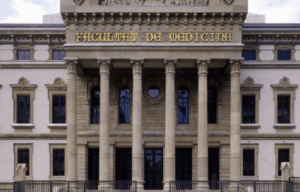 Barcelona, Spain University Hospital Barnaclinic+
 -
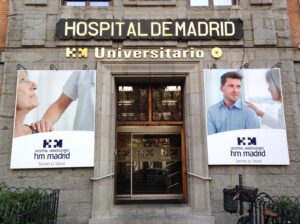
 Madrid, Spain University Clinic HM Madrid
 -
 Madrid, Spain University Hospital HM Monteprincipe
 -
 Gebze, Turkey Anadolu Clinic
 -
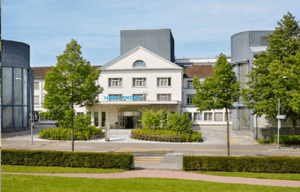 Zurich, Switzerland Hirslanden Clinic
 -
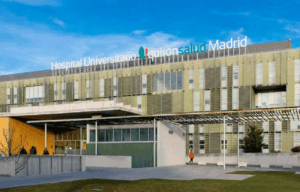 Madrid, Spain Quiron Salud University Hospital
 -
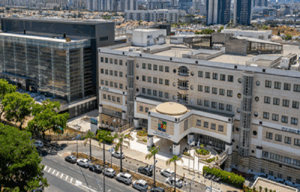 Petah Tikva, Israel Schneider Children's Medical Center
 -
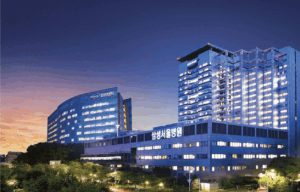 Seoul, South Korea Samsung Medical Center
 -
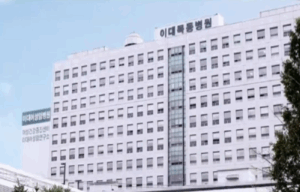 Seoul, South Korea Medical Center at Ewha Womans University
 -
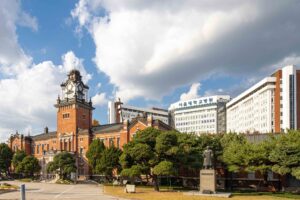 Seoul, South Korea SNUH