


Thalassotherapy
Sea Power: Thalassotherapy at European Resorts
It is difficult to overvalue the benefits of the sea. Marine air contains iodine and mineral particles beneficial for the respiratory system, while seawater and seaweed act as natural stimulators of metabolism and immune system strengthening. These features form the basis of thalassotherapy — a health improvement method that uses the healing sea resources (water, seaweed, mud, salts, and the marine climate).
Today, thalassotherapy is one of the most popular segments of medical tourism. It is chosen for stress reduction, skincare, supporting metabolic processes, improving well-being, and overall restoration of strength.
Hospitality MedService collaborates with leading thalassotherapy centers in Europe, where the sea is a key element of health programs and daily care.
Methods of Thalassotherapy at Foreign Resorts
Thalassotherapy includes a variety of techniques used both for health and visual appearance improvement. Sea baths, wraps, and other procedures impact the body in different ways: through heat, water pressure, active marine components, or aerosols from coastal air. Below, we will consider the most popular methods of thalassotherapy.
Sea Baths and Hydrotherapy
One of the fundamental thalassotherapy methods is sea baths, conducted using heated seawater. The procedure helps to dilate blood vessels, improve microcirculation, and activate lymph flow. Additionally, water pressure and salt ions stimulate skin nerve receptors, thereby helping muscles relax and alleviating tension.
At sea resorts in France, Spain, and Greece, water is taken directly from coastal waters, then carefully purified while preserving its natural mineral composition. Before use, it is warmed to 33—36°C. This temperature range is considered most physiological and provides optimal effects on the skin and blood vessels.
In leading thalassotherapy centers, sea baths are complemented by hydro-massage, Sharko showers, and procedures with variable water pressure. This combination enhances drainage effects, helps reduce swelling, and accelerates recovery after physical activity.
Wrapping with Seaweed and Mud
In thalassotherapy centers, natural seaweeds (laminaria, fucus, spirulina) and sea mud are used for wraps. They are rich in minerals, trace elements, and biologically active substances.
At coastal resorts (for example, France, Italy, Portugal), seaweeds are harvested in environmentally clean areas, then dried and powdered or used fresh. Before the procedure, they are warmed to body temperature to activate bioactive components and enhance mineral absorption through the skin. Under heat exposure soluble salts of iodine, magnesium, potassium, vitamins of group B, and antioxidants are released from the mass.
Sea mud complements the action of seaweed. They help relieve muscle tension and reduce inflammatory reactions. Clinical observations indicate that courses of mud applications are especially effective for chronic joint diseases, osteochondrosis and cellulite.
Thalassomassage and Underwater Techniques
Thalassomassage is a combination of classical massage techniques and the effects of seawater. It can be performed manually or using hydro-technical equipment that creates directed jets of varying pressure. This method is particularly beneficial for poor circulation, muscle tension, vascular tone disorders, and for body shaping in cases of excess weight.
In European resorts, several variations of thalassomassage are used:
- Underwater shower-massage. Conducted in a bath with warm seawater. A specialist directs a flexible hose, aiming jets at different angles and gradually adjusting the pressure.
- Sharko shower. A powerful water jet is applied under high pressure from a distance of about 3-4 meters. The intensity and trajectory of the jet are controlled during the procedure.
- Vortex and cascade showers. Conducted under directed water streams or in a special bath. Water circulates in a spiral or falls in a cascade, creating even mechanical stimulation on the body.
- Manual marine massage. Performed by hand using sea salt, algae gels or creams based on sea components. Techniques include gentle kneading and stroking movements along muscle fibers.
This type of massage enhances tissue oxygenation and nutrient delivery, improves venous outflow, and helps the body recover faster after physical or emotional stress.
In foreign resorts, such procedures are offered both for medical purposes and as part of programs for body shaping and skin care.
Inhalations and Climate Therapy with Sea Air
In foreign centers located near the coast, climate therapy is considered a natural healing factor and an integral part of wellness programs.
Sea air is characterized by a high content of marine aerosols, which are formed when waves break. They contain salts of sodium, magnesium, calcium, and iodine compounds. When inhaled, they gently affect the respiratory tract. This improves the natural clearing of the bronchi, reduces the tendency for mucosal irritation and prevents exacerbations of chronic bronchopulmonary diseases.
Many balneotherapy centers conduct inhalations with seawater. A purified solution or aerosol is delivered via a nebulizer to gently act on the mucous membranes of the respiratory pathways. This method helps reduce inflammation, ease breathing and decrease sensitivity to allergens. It is often used for chronic bronchitis, allergic rhinitis and early-stage asthma. To enhance effectiveness, the course may be supplemented with breathing exercises and oxygen therapies.
Physical Activity and Rehabilitation Programs on the Seacoast
The marine environment creates excellent conditions for light physical activity. At coastal resorts, the main focus is on water training and outdoor exercises.
- Aqua gymnastics in pools with heated sea water. In pools with heated sea water, exercises are easier than on land. The body receives support, joints are unloaded and the gentle pressure of the water helps work the muscles that usually tire the fastest.
- Swimming and exercises in the open sea. In the open sea, the waves provide constant resistance. This leads to deeper breathing, increased endurance and gradual strengthening of the body.
- Walking and Nordic walking along the coast. Walking on flat coastal paths allows training at a comfortable pace, maintaining the physical activity at a light cardio level. Nordic walking helps engage the muscles of the upper body and the sea air makes breathing easier.
- Breathing exercises on the shore. At the end of the workout, short breathing exercises are often conducted — they help restore rhythm and transition to rest smoothly.
Physical activity is necessarily included in rehabilitation programs for:
- chronic back pain
- posture disorders and post-traumatic conditions
- recovery after stress disorders and fatigue
- functional cardiovascular system disorders
TOP Countries Practicing Thalassotherapy
Based on many years of experience and feedback from our clients, we have prepared a selection of countries where thalassotherapy has reached the highest level of development. Each destination differs in its natural resources, climate, and medical traditions, but they all share one common feature — using the power of the sea to restore health and inner balance.
France
France is considered the birthplace of modern thalassotherapy and rightly holds the status of a global leader in this field. The term “thalassotherapy” was introduced by French physician Joseph de La Bonnardière in 1867. He was the first to systematize marine procedures and incorporate them into medical practice, laying the foundation for a whole direction in spa medicine.
Thalassotherapy in France is an integral part of rehabilitation, cosmetological and anti-aging programs.
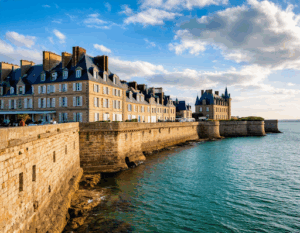
One of the oldest centers of marine medicine is the Saint-Malo resort in northwestern France. Here, sea water is supplied directly from the Brittany aquatory. The resort is especially popular for programs aimed at boosting immunity, weight correction, and recovery after stress.
On the Atlantic coast lies the La Bôle resort, known for its extensive beaches and mild oceanic climate. Thalassotherapy here is combined with cardiotraining, yoga and breathing practices on the shore.
TOP hotels


Portugal
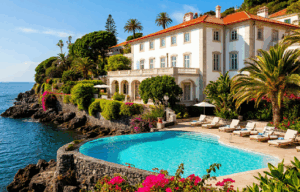
A gentle oceanic climate, clean air and a high concentration of mineral salts in the water make Portuguese resorts ideal for thalassotherapy.
The country places special emphasis on gentle, physiologically oriented recovery methods. Here, procedures are aimed not at short-term effects but at gradual restoration of body functions. This is achieved through the influence of seawater, a carefully balanced diet and physical activity. Thalassotherapy programs often include breathing exercises, individual consultations with dietitians and nutritionists and fitness activities by the ocean.
Portuguese resorts along the Atlantic coast use nutrient-rich sea water and natural muds for detox programs and joint care. People with musculoskeletal disorders and metabolic issues frequently visit these centers.
A separate direction of health tourism in Portugal is the island of Madeira. The local sea air is saturated with sodium and iodine aerosols, and water temperature stays above 20°C year-round. Thalassotherapy here is used for recovery after overwork, strengthening the respiratory system and preventing cardiovascular disorders.
Spain
Spain attracts tourists for whom the sea is part of their lifestyle. For whom morning swims, walks along the shoreline and water activities become a familiar part of a resort day.
On the eastern coast, between the sea and the mountains, is the Benicàssim beach resort. The largest and oldest wellness complexes in Spain are located here. Along Benicàssim’s coast, there are convenient routes for walking and Nordic walking and the sea is suitable for swimming and water training almost year-round.
Near Benicàssim is Valencia — a city with a mild Mediterranean climate and clean beaches. Here, thalassotherapy is complemented by cultural relaxation and active sports. Coastal centers offer treatments that include sea procedures, as well as breathing practices and light fitness programs.
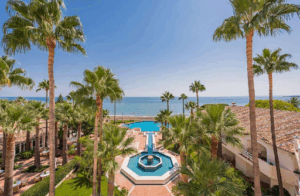
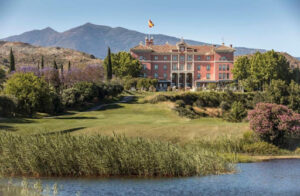
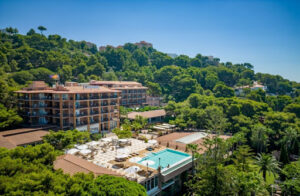
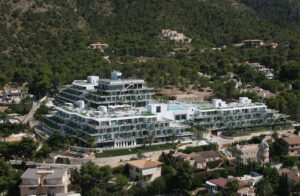
In the south of the country, in Marbella, seawater is supplied directly from the coastal waters and undergoes natural filtration. Medical detox, recovery after stress and sleep correction programs are developed here.
Greece
The thalassotherapy of Greece has a millennia-old experience in using mineral springs and climatic factors for health restoration.
One of the most well-known tourist destinations is the Kamena Vourla resort, located on the Aegean Sea coast. The water here contains sulfur, magnesium, and sodium, which are especially valued for treating joint and musculoskeletal system diseases. Athletes often visit it for rehabilitation after injuries, fractures and dislocations.
No less famous is the Edipsos resort on the island of Euboea — one of the oldest thermal centers in Europe. Aristotle himself described the healing properties of its springs. Later, Roman patricians and philosophers sought recovery here. Today, in Edipsos spa complexes, seawater and thermal springs are used together, with programs aimed at combating chronic fatigue, arthritis and skin conditions.
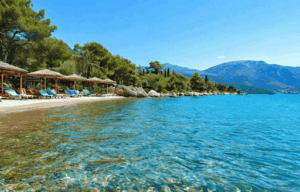
A special direction of Greek thalassotherapy development is Chalkidiki. This region features extensive beaches and crystal-clear sea. Treatments are built around thalassotherapy procedures, climatotherapy, physiotherapy and cosmetology. Local specialists pay attention not only to physical recovery but also to psycho-emotional balance: programs often include yoga, meditation, and breathing practices by the sea.

Hospitality MedService cooperates only with proven resorts, clinics and hotels, which provide all conditions for high-quality treatment and wellness. We will help you choose the best direction and program, taking into account the diagnosis, goals and personal preferences.