


Ischemic heart disease (IHD) with angina pectoris
Disease description
Stable angina (angina pectoris) — a clinical syndrome that is a manifestation of coronary artery disease (CAD). It presents as retrosternal pain of a short duration (no more than 15 minutes). In most cases, it develops suddenly during emotional or physical exertion.
The European Society of Cardiology (ESC) has shown that angina doubles the risk of developing serious cardiovascular conditions (such as myocardial infarction). In addition, the disease triples the risk of loss of working capacity and quadruples the risk of developing depression.
Symptoms indicating the need for diagnosis and treatment
In a classic anginal episode, the patient complains of:
- Sudden pain behind the sternum or in the left side of the chest
- Burning sensation in the chest (similar to heartburn)
- Shortness of breath
- Feeling of insufficient air
- Sense of fear
On average, an episode lasts 2-5 minutes, with a clear onset and resolution. The intensity of pain varies from tolerable to severe, depending on the degree of narrowing of the coronary artery lumen.
Diagnostic and treatment methods
Diagnosis
Angina is usually recognized at the patient’s first visit. Leading global clinics use the following to confirm the diagnosis:
- Laboratory methods (blood test for troponin and CK-MB fraction, lipid profile assessment)
- Instrumental methods (ECG with stress tests: modern treadmill test and bicycle ergometry, Holter monitoring)
- Additional methods: coronary angiography and multislice CT
Treatment
An angina episode is relieved by taking nitroglycerin. In global cardiology, the modern method of administering fast-acting nitrates is the use of sprays.
If conservative treatment is insufficient, the following procedures are performed:
- Endovascular angioplasty or stenting
- Coronary artery bypass grafting (CABG)
- Mammary — coronary artery bypass grafting
Innovations in leading global clinics
For severe forms of angina, top European clinics use high-tech spinal cord neurostimulation. An individual stimulation mode is selected for each patient, with adjustments made by a qualified cardiologist. After the procedure, there is a reduction in the number of episodes of cardiac pain (up to complete disappearance of pain syndrome) and improved tolerance to physical exertion
Clinics specializing in the treatment of CAD-angina pectoris
-
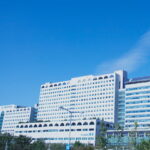

 Seoul, South Korea Asan Medical Center
 -
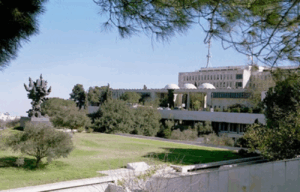


 Jerusalem, Israel Hadassah Medical Center
 -
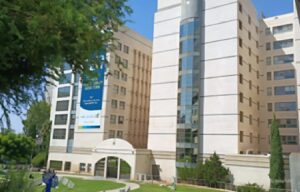 Petah Tikva, Israel Medical Center “Rabin”
 -
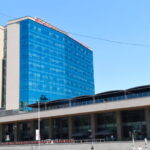
 Istanbul, Turkey Istanbul Florence Nightingale Hospital
 -


 Geneva, Switzerland Generale-Beaulieu
 -
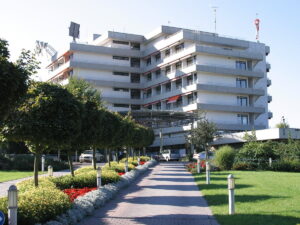

 Bad Krozingen, Germany University Heart Center Freiburg
 -
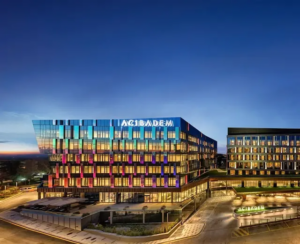
 Istanbul, Turkey Acibadem Altunizade
 -
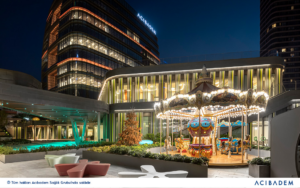
 Istanbul, Turkey Acıbadem Ataşehir Clinic
 -
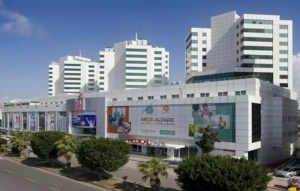
 Antalya, Turkey Hospital Medical Park Antalya
 -
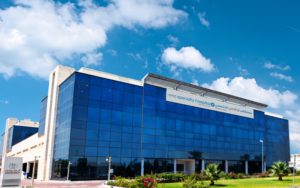
 Dubai, UAE NMC Healthcare
 -
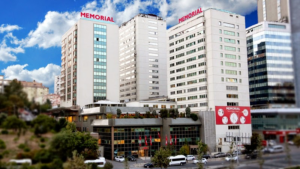
 Istanbul, Turkey Hospital “Memorial Şişli”
 -
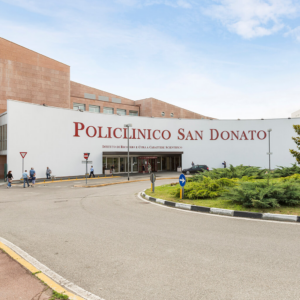

 Milan, Italy San Donato Hospital in Milan, Italy
 -
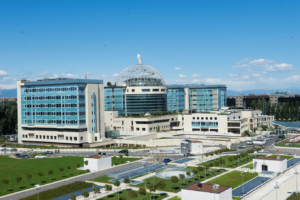
 Milan, Italy San Raffaele University Hospital
 -
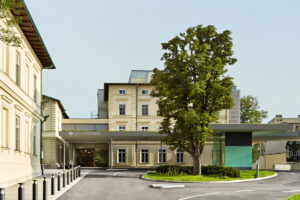
 Graz, Austria Leech Private Hospital
 -
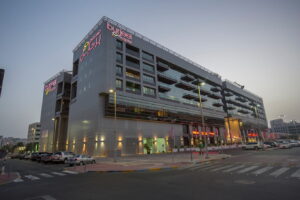 Abu Dhabi, UAE Burjeel Hospital Abu Dhabi
 -
 Vienna, Austria Debling Private Clinic
 -
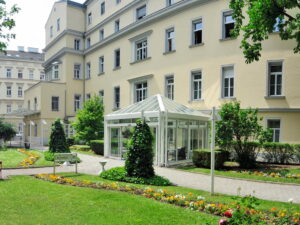 Vienna, Austria Confraternität Private Hospital
 -
 Heidelberg, Germany Heidelberg University Hospital
 -
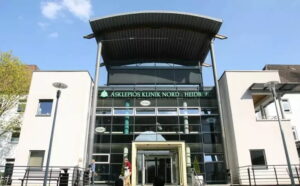
 Hamburg, Germany Asklepios Nord Heidberg
 -
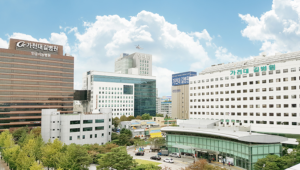
 Incheon, South Korea Gil Medical Center at Gachon University
 -
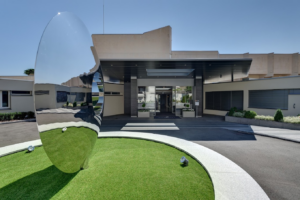 Nyon, Switzerland Clinique Genolier
 -

 Istanbul, Turkey “Memorial Ataşehir” Clinic
 -
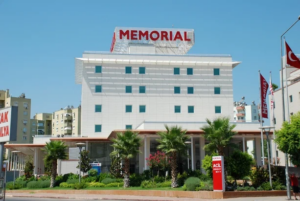
 Antalya, Turkey Memorial Antalya Hastanesi
 -
 Bodrum, Turkey Acibadem Bodrum Hospital
 -
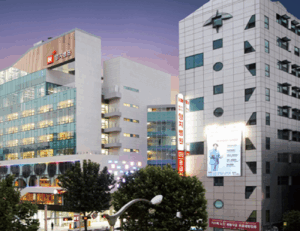
 Seoul, South Korea H+ Yangji Hospital
 -
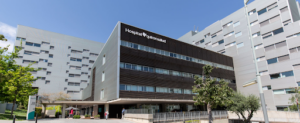

 Barcelona, Spain QuironSalud Barcelona Hospital
 -
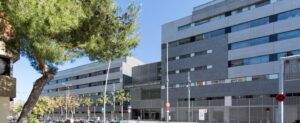 Barcelona, Spain Dexeus University Hospital
 -
 Barcelona, Spain Medical Center "Teknon"
 -
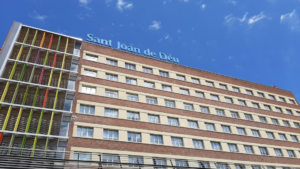 Barcelona, Spain Sant Joan de Deu Children's Hospital
 -
 Barcelona, Spain University Hospital Barnaclinic+
 -
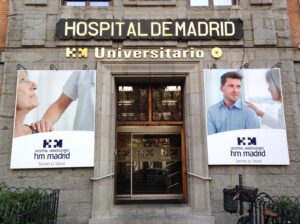
 Madrid, Spain University Clinic HM Madrid
 -
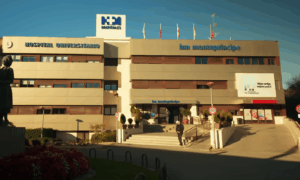
 Madrid, Spain University Hospital HM Monteprincipe
 -
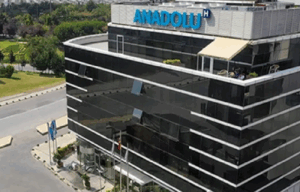 Gebze, Turkey Anadolu Clinic
 -
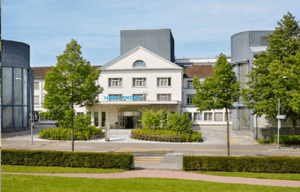 Zurich, Switzerland Hirslanden Clinic
 -
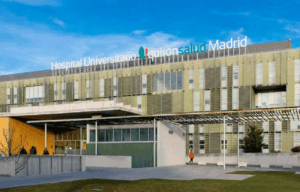 Madrid, Spain Quiron Salud University Hospital
 -
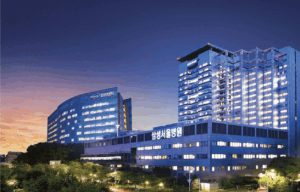 Seoul, South Korea Samsung Medical Center
 -
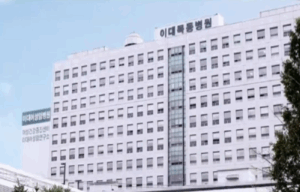 Seoul, South Korea Medical Center at Ewha Womans University
 -
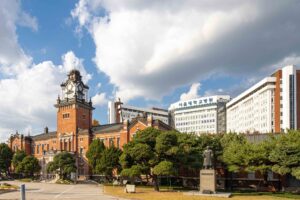 Seoul, South Korea SNUH