


Multiple Pregnancy
Multiple pregnancy is the development of two or more fetuses in the uterus. It occurs in 1-2% of cases, most commonly in couples where at least one parent was born as a twin (or triplet).
In recent years, the frequency of multiple pregnancies has increased due to the widespread use of assisted reproductive technologies (ART). This condition often results from in vitro fertilization (IVF) and may also develop after discontinuation of hormonal contraception due to the “superovulation” effect.
Multiple pregnancy is classified as a high-risk condition for both mother and babies. The outcome of gestation and delivery depends on maternal health, fetal development, and the expertise of healthcare providers.
Symptoms Requiring Diagnostic Evaluation and Medical Care
In early stages, multiple pregnancy typically presents no specific signs. However, due to higher levels of human chorionic gonadotropin (hCG), nausea and vomiting may be more frequent and persist longer (up to 16 weeks).
Classic symptoms usually appear in the second half of pregnancy, when the uterus reaches a significant size. These include:
- Rapid fatigue
- General weakness
- Shortness of breath
- Heartburn
- Rapid increase in abdominal circumference
- Lower back pain
Diagnostic and treatment methods
The gold standard for diagnosing multiple pregnancy at an early stage is performing ultrasound and laboratory diagnostics (determination of chorionic gonadotropin level).
International protocols followed by the best global clinics are based on early determination of chorionicity and amnionicity (how many placentas and how many amniotic sacs the fetuses have). These indicators determine the choice of management strategy during pregnancy and form the basis for delivery prognosis.
Absolute indications for cesarean section include monochorionic twins (one placenta), breech presentation of the first fetus, and triplets. In all other cases, the choice of delivery method depends on the clinical situation. If the pregnant woman has no contraindications for natural childbirth, several of the most experienced and highly qualified obstetricians and gynecologists are present during labor in leading global clinics.
Innovations of world clinics
The intensive development of ultrasound prenatal diagnostics has led to the emergence of high-precision ultrasound machines for scanning multiple fetuses during pregnancy. The best European clinics are equipped with such devices, allowing assessment of the intrauterine condition of the fetuses (previously, diagnosis was often complicated by one baby overlapping another). Examination of mothers on next-generation ultrasound systems is performed by top-category specialists with expertise in the field of ultrasound diagnostics.
Clinics Specializing in the Care of Multiple Pregnancies
-


 Seoul, South Korea Asan Medical Center
 -



 Jerusalem, Israel Hadassah Medical Center
 -
 Petah Tikva, Israel Medical Center Rabin
 -


 Istanbul, Turkey Medipol Mega University Hospital
 -
 Istanbul, Turkey Istanbul Florence Nightingale Hospital
 -

 Geneva, Switzerland Hirslanden Clinique La Colline
 -

 Geneva, Switzerland Generale-Beaulieu
 -

 Istanbul, Turkey Acibadem Altunizade
 -

 Antalya, Turkey Hospital Medical Park Antalya
 -


 Dubai, UAE NMC Healthcare
 -
 Istanbul, Turkey Hospital Memorial Şişli
 -


 Milan, Italy San Raffaele University Hospital
 -
 Abu Dhabi, UAE Burjeel Hospital Abu Dhabi
 -


 Vienna, Austria Debling Private Clinic
 -

 Incheon, South Korea Gil Medical Center at Gachon University
 -
 Nyon, Switzerland Clinique Genolier
 -


 Barcelona, Spain Dexeus University Hospital
 -
 Barcelona, Spain University Hospital Barnaclinic+
 -

 Madrid, Spain University Hospital HM Monteprincipe
 -

 Hamburg, Germany Asklepios Klinik Barmbek
 -
 Gebze, Turkey Anadolu Clinic
 -
 Zurich, Switzerland Hirslanden Clinic
 -
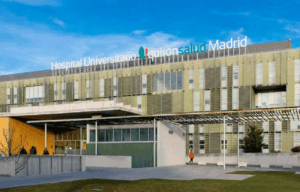 Madrid, Spain QuironSalud University Hospital
 -
 Lugano, Switzerland Saint Anna Clinic
 -
 Geneva, Switzerland Clinique des Grangettes
 -
 Petah Tikva, Israel Schneider Children's Medical Center
 -
 Seoul, South Korea Samsung Medical Center
 -
 Bursa, Turkey Doruk Nilüfer Hospital
 -
 Seoul, South Korea Medical Center at Ewha Womans University
 -
 Seoul, South Korea SNUH
 -

 Ramat Gan, Israel Sheba clinic