

Scoliosis
Disease description
Scoliosis is a lateral curvature of the spine that can develop during childhood or adolescence and may progress with growth. It may be congenital or acquired, and if left untreated, scoliosis can lead to severe spinal deformities and impaired function of internal organs.
Symptoms indicating the need for diagnosis and treatment:
- asymmetry of the shoulders, shoulder blades, or pelvis
- fatigue and back pain, especially after prolonged standing or sitting
- postural abnormalities and visible spinal curvature
- shortness of breath and chest pain (in severe cases)
- limited spinal mobility
Diagnostic and treatment methods
Diagnosis
Diagnosis of scoliosis begins with a clinical examination, during which the physician assesses body symmetry and observes for spinal curvatures. To confirm the diagnosis, X-ray imaging is used to determine the Cobb angle and the location of the deformity. In some cases, magnetic resonance imaging (MRI) may be required to evaluate the spinal cord and rule out other pathologies.
Treatment
The treatment of scoliosis depends on the degree of spinal curvature and the patient’s age. In the early stages, physiotherapy, therapeutic exercise, and the use of an orthopedic brace are prescribed to help maintain proper spinal alignment. In more severe cases — where the spinal curvature exceeds 40-50 degrees or continues to progress — surgical intervention may be necessary. The surgery involves the placement of metal rods and instrumentation to straighten and stabilize the spine in the correct position, helping to prevent further deformity progression.
Innovations in global clinics
Modern scoliosis treatment now includes the use of 3D printing technology. 3D-printed braces and supportive structures are custom-designed to match the individual anatomical features of each patient. This personalized approach provides optimal support and correction of spinal curvatures, significantly improving treatment outcomes compared to traditional methods.
Top clinics
-
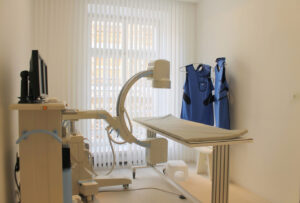

 Munich, Germany Orthopedic Center of Professor Lill
 -

 Seoul, South Korea Asan Medical Center
 -

 Jerusalem, Israel Hadassah Medical Center
 -
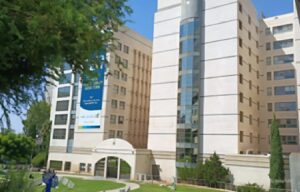 Petah Tikva, Israel Medical Center “Rabin”
 -
 Istanbul, Turkey Istanbul Florence Nightingale Hospital
 -


 Geneva, Switzerland Generale-Beaulieu
 -

 Istanbul, Turkey Acibadem Altunizade
 -

 Istanbul, Turkey Acıbadem Ataşehir Clinic
 -

 Antalya, Turkey Hospital Medical Park Antalya
 -
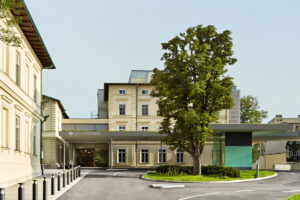

 Graz, Austria Leech Private Hospital
 -
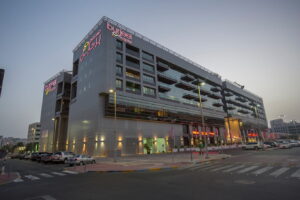
 Abu Dhabi, UAE Burjeel Hospital Abu Dhabi
 -

 Vienna, Austria Debling Private Clinic
 -
 Heidelberg, Germany Heidelberg University Hospital
 -
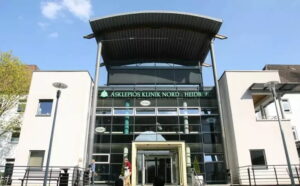
 Hamburg, Germany Asklepios Nord Heidberg
 -
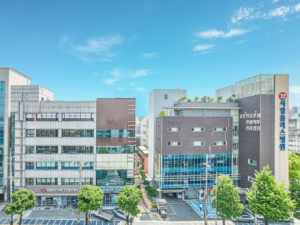 Seoul, South Korea Sarang Plas Clinic
 -
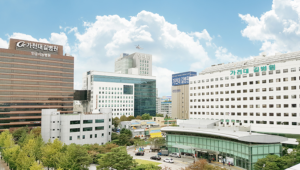
 Incheon, South Korea Gil Medical Center at Gachon University
 -
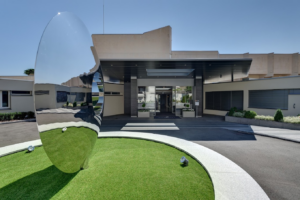 Nyon, Switzerland Clinique Genolier
 -
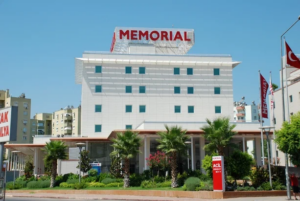
 Antalya, Turkey Memorial Antalya Hastanesi
 -
 Seoul, South Korea H+ Yangji Hospital
 -
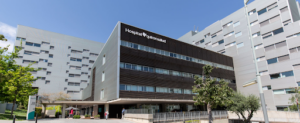

 Barcelona, Spain QuironSalud Barcelona Hospital
 -
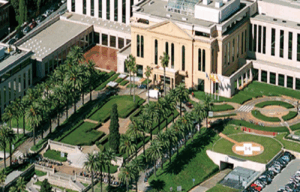 Barcelona, Spain Medical Center "Teknon"
 -
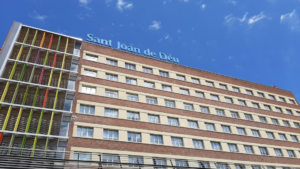
 Barcelona, Spain Sant Joan de Deu Children's Hospital
 -
 Barcelona, Spain University Hospital Barnaclinic+
 -
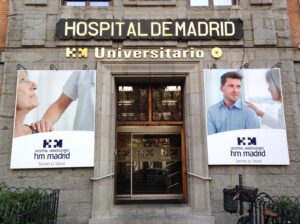
 Madrid, Spain University Clinic HM Madrid
 -
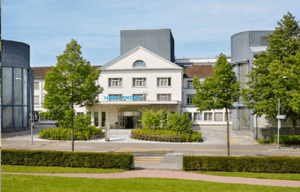 Zurich, Switzerland Hirslanden Clinic
 -
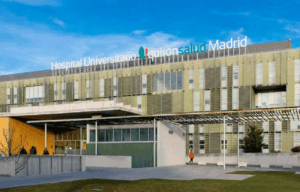 Madrid, Spain Quiron Salud University Hospital
 -
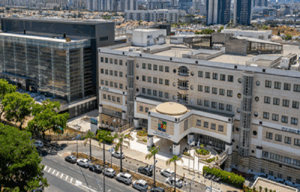 Petah Tikva, Israel Schneider Children's Medical Center
 -
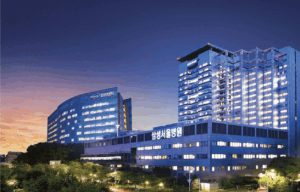 Seoul, South Korea Samsung Medical Center
 -
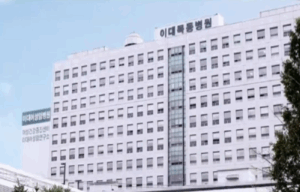 Seoul, South Korea Medical Center at Ewha Womans University
 -
 Seoul, South Korea SNUH