


Rhinoplasty (nose surgery)
Rhinoplasty is a popular plastic surgery procedure used to reshape the nose. In addition to its popularity, it is considered one of the most complex facial surgeries and requires a high level of expertise from surgeons.
Types of rhinoplasty performed in leading international clinics:
Open rhinoplasty. The incision is made externally along the columella. This method is the most convenient for the operating surgeon, but it leaves a scar on the patient. It is rarely used and typically reserved for cases with serious indications.
Closed rhinoplasty. All incisions are made inside the nose. The procedure is performed under endoscopic control. This type of rhinoplasty is more technically challenging than open rhinoplasty but is less traumatic and does not leave scars.
Laser rhinoplasty. A laser beam is used instead of a scalpel. The advantage of this method is that the tissues are cauterized immediately, preventing harmful bacteria from entering the wound. Additionally, the risk of bleeding is minimized.
Ultrasonic rhinoplasty. This advanced technology allows for gentler correction of the nasal bone structure, accelerating healing and reducing the risk of damage. With ultrasonic rhinoplasty, the likelihood of bruising and swelling is significantly reduced, and the recovery period is much shorter.
How an experienced surgeon at a top international clinic can change the nose:
- Remove a hump
- Reduce length
- Reshape the nasal tip
- Raise or lower the columella (skin between the nostrils)
- Narrow or widen the nostrils
- Elevate the nasal bridge
- Correct a deviated septum
Specifics of the procedure in international clinics
The main stage of rhinoplasty involves modeling the bone and cartilage tissues. The use of ultrasound or laser technology (piezorhinosculpture) increases the precision and effectiveness of nasal correction.
The following innovations are implemented in leading international clinics:
- In open procedures, special aesthetic sutures are prioritized, which become almost invisible after healing
- Digital simulation: Software for preoperative visualization allows patients to better understand the expected changes and make more informed decisions
Pain control methods: New approaches to managing postoperative discomfort make the recovery process more comfortable for patients
Top clinics
-

 Jerusalem, Israel
Hadassah Medical Center
Jerusalem, Israel
Hadassah Medical Center
-
 Petah Tikva, Israel
Medical Center Rabin
Petah Tikva, Israel
Medical Center Rabin
-

 Istanbul, Turkey
Medipol Mega University Hospital
Istanbul, Turkey
Medipol Mega University Hospital
-
 Istanbul, Turkey
Istanbul Florence Nightingale Hospital
Istanbul, Turkey
Istanbul Florence Nightingale Hospital
-
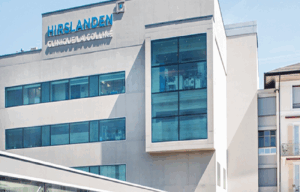
 Geneva, Switzerland
Hirslanden Clinique La Colline
Geneva, Switzerland
Hirslanden Clinique La Colline
-
 Geneva, Switzerland
Generale-Beaulieu
Geneva, Switzerland
Generale-Beaulieu
-
 Istanbul, Turkey
Acıbadem Ataşehir Clinic
Istanbul, Turkey
Acıbadem Ataşehir Clinic
-

 Dubai, UAE
NMC Healthcare
Dubai, UAE
NMC Healthcare
-
 Istanbul, Turkey
Hospital Memorial Şişli
Istanbul, Turkey
Hospital Memorial Şişli
-

 Graz, Austria
Leech Private Hospital
Graz, Austria
Leech Private Hospital
-
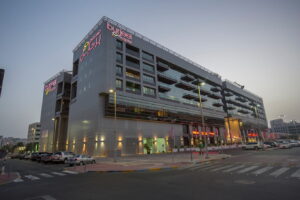 Abu Dhabi, UAE
Burjeel Hospital Abu Dhabi
Abu Dhabi, UAE
Burjeel Hospital Abu Dhabi
-
 Vienna, Austria
Debling Private Clinic
Vienna, Austria
Debling Private Clinic
-
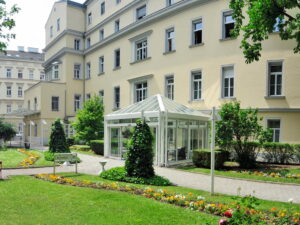 Vienna, Austria
Confraternität Private Hospital
Vienna, Austria
Confraternität Private Hospital
-
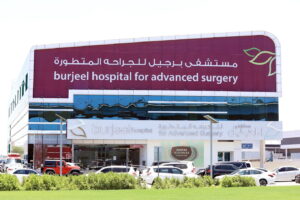 Dubai, UAE
Burjeel Hospital
Dubai, UAE
Burjeel Hospital
-

 Hamburg, Germany
Asklepios Nord Heidberg
Hamburg, Germany
Asklepios Nord Heidberg
-
 Lausanne, Switzerland
Clinique Montchoisi
Lausanne, Switzerland
Clinique Montchoisi
-
 Montreux, Switzerland
Clinique La Prairie
Montreux, Switzerland
Clinique La Prairie
-
 Nyon, Switzerland
Clinique Genolier
Nyon, Switzerland
Clinique Genolier
-
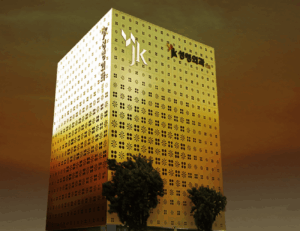
 Seoul, South Korea
JK Plastic Surgery Center
Seoul, South Korea
JK Plastic Surgery Center
-
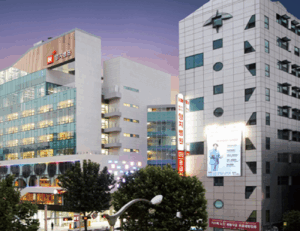 Seoul, South Korea
H+ Yangji Hospital
Seoul, South Korea
H+ Yangji Hospital
-

 Barcelona, Spain
QuironSalud Barcelona Hospital
Barcelona, Spain
QuironSalud Barcelona Hospital
-
 Barcelona, Spain
Medical Center Teknon
Barcelona, Spain
Medical Center Teknon
-
 Barcelona, Spain
University Hospital Barnaclinic+
Barcelona, Spain
University Hospital Barnaclinic+
-
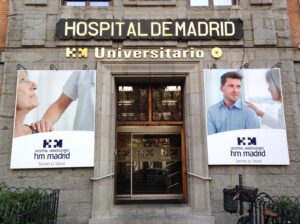 Madrid, Spain
University Clinic HM Madrid
Madrid, Spain
University Clinic HM Madrid
-
 Seoul, South Korea
Dream Plastic Surgery Clinic
Seoul, South Korea
Dream Plastic Surgery Clinic
-
 Madrid, Spain
University Hospital HM Monteprincipe
Madrid, Spain
University Hospital HM Monteprincipe
-
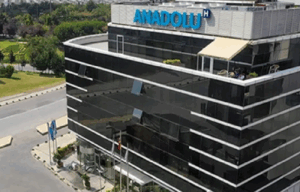 Gebze, Turkey
Anadolu Clinic
Gebze, Turkey
Anadolu Clinic
-
 Zurich, Switzerland
Hirslanden Clinic
Zurich, Switzerland
Hirslanden Clinic
-
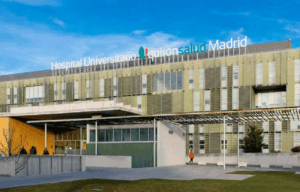 Madrid, Spain
QuironSalud University Hospital
Madrid, Spain
QuironSalud University Hospital
-
 Lugano, Switzerland
Saint Anna Clinic
Lugano, Switzerland
Saint Anna Clinic
-
 Petah Tikva, Israel
Schneider Children's Medical Center
Petah Tikva, Israel
Schneider Children's Medical Center
-
 Seoul, South Korea
SNU Plastic Surgery Clinic
Seoul, South Korea
SNU Plastic Surgery Clinic