


Intervertebral hernia
Disease description
An intervertebral hernia is a pathological condition in which a portion of the intervertebral disc protrudes or shifts beyond its anatomical boundaries. This displacement can compress the spinal cord or nerve roots, leading to pain, sensory disturbances, and limited mobility.
Symptoms indicating the need for diagnosis and treatment:
- acute or chronic back pain radiating to the leg or arm, worsening with deep breathing, physical activity, coughing, or sneezing
- numbness, tingling, or weakness in the extremities
- reduced spinal mobility
- urinary dysfunction and erectile disorders (in severe cases)
Diagnostic and treatment methods
Diagnosis
The diagnosis of an intervertebral hernia is primarily made using magnetic resonance imaging (MRI), which provides detailed images of the spine and allows for assessment of the degree of disc protrusion and its impact on neural structures. In certain cases, computed tomography (CT) and electromyography (EMG) are used to evaluate nerve function.
Treatment
Treatment of intervertebral hernia usually begins with conservative methods, including pharmacotherapy (analgesics, anti-inflammatory medications, muscle relaxants), physical therapy, and therapeutic exercise. If conservative treatment fails to provide relief, surgical intervention is performed, such as microdiscectomy or endoscopic surgery, aimed at removing the herniated disc portion and relieving pressure on the nerve roots.
Innovations in global clinics
In advanced clinics, robot-assisted surgical systems such as the da Vinci robotic platform are now being used for the operative treatment of intervertebral hernias.
The da Vinci system enables surgeons to perform highly precise procedures through minimal incisions with reduced risk of complications. It provides a 3D view of the surgical field and allows for enhanced control of micro-instruments, which is especially critical when working with delicate spinal structures.
Procedures
Top clinics
-
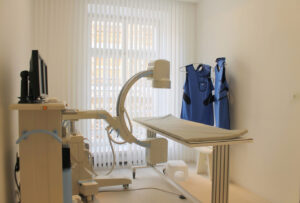
 Munich, Germany
Orthopedic Center of Professor Lill
Munich, Germany
Orthopedic Center of Professor Lill
-
 Seoul, South Korea
Asan Medical Center
Seoul, South Korea
Asan Medical Center
-
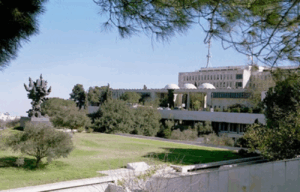
 Jerusalem, Israel
Hadassah Medical Center
Jerusalem, Israel
Hadassah Medical Center
-
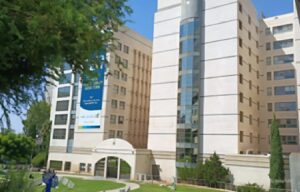 Petah Tikva, Israel
Medical Center Rabin
Petah Tikva, Israel
Medical Center Rabin
-
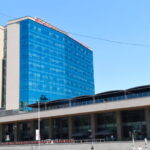
 Istanbul, Turkey
Istanbul Florence Nightingale Hospital
Istanbul, Turkey
Istanbul Florence Nightingale Hospital
-

 Geneva, Switzerland
Generale-Beaulieu
Geneva, Switzerland
Generale-Beaulieu
-
 Istanbul, Turkey
Acibadem Altunizade
Istanbul, Turkey
Acibadem Altunizade
-
 Antalya, Turkey
Hospital Medical Park Antalya
Antalya, Turkey
Hospital Medical Park Antalya
-
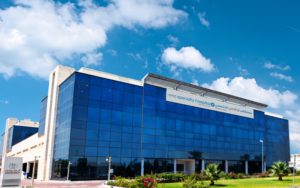
 Dubai, UAE
NMC Healthcare
Dubai, UAE
NMC Healthcare
-
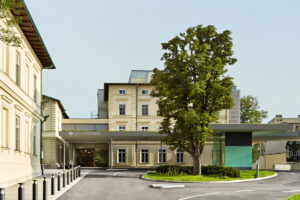
 Graz, Austria
Leech Private Hospital
Graz, Austria
Leech Private Hospital
-
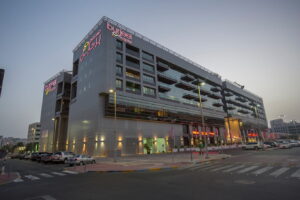 Abu Dhabi, UAE
Burjeel Hospital Abu Dhabi
Abu Dhabi, UAE
Burjeel Hospital Abu Dhabi
-
 Vienna, Austria
Debling Private Clinic
Vienna, Austria
Debling Private Clinic
-
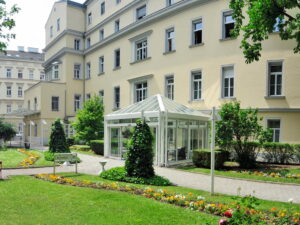 Vienna, Austria
Confraternität Private Hospital
Vienna, Austria
Confraternität Private Hospital
-
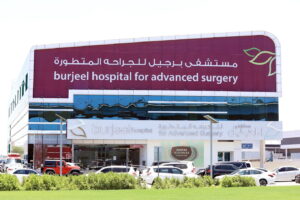 Dubai, UAE
Burjeel Hospital
Dubai, UAE
Burjeel Hospital
-
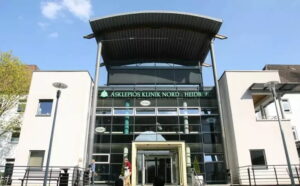 Hamburg, Germany
Asklepios Nord Heidberg
Hamburg, Germany
Asklepios Nord Heidberg
-
 Dusseldorf, Germany
FKKD Clinical Complex
Dusseldorf, Germany
FKKD Clinical Complex
-
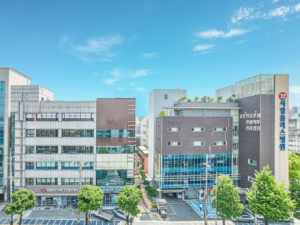 Seoul, South Korea
Sarang Plas Clinic
Seoul, South Korea
Sarang Plas Clinic
-
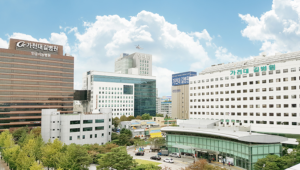 Incheon, South Korea
Gil Medical Center at Gachon University
Incheon, South Korea
Gil Medical Center at Gachon University
-
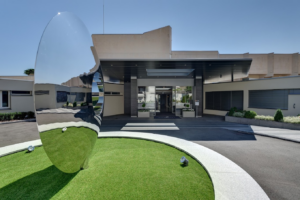 Nyon, Switzerland
Clinique Genolier
Nyon, Switzerland
Clinique Genolier
-
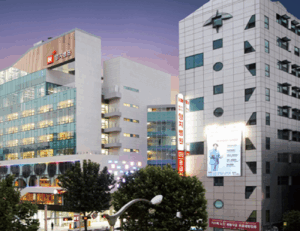 Seoul, South Korea
H+ Yangji Hospital
Seoul, South Korea
H+ Yangji Hospital
-
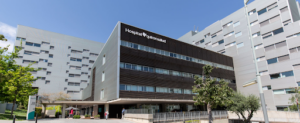
 Barcelona, Spain
QuironSalud Barcelona Hospital
Barcelona, Spain
QuironSalud Barcelona Hospital
-
 Barcelona, Spain
Medical Center Teknon
Barcelona, Spain
Medical Center Teknon
-
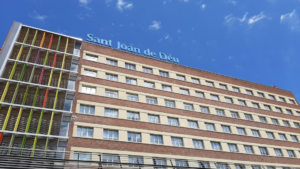 Barcelona, Spain
Sant Joan de Deu Children's Hospital
Barcelona, Spain
Sant Joan de Deu Children's Hospital
-
 Barcelona, Spain
University Hospital Barnaclinic+
Barcelona, Spain
University Hospital Barnaclinic+
-
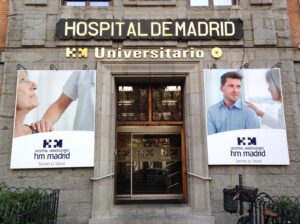 Madrid, Spain
University Clinic HM Madrid
Madrid, Spain
University Clinic HM Madrid
-
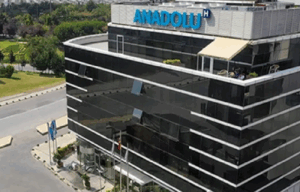 Gebze, Turkey
Anadolu Clinic
Gebze, Turkey
Anadolu Clinic
-
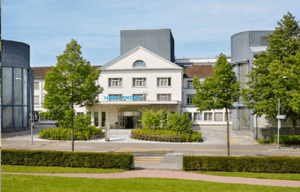 Zurich, Switzerland
Hirslanden Clinic
Zurich, Switzerland
Hirslanden Clinic
-
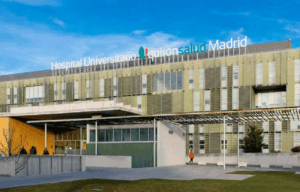 Madrid, Spain
QuironSalud University Hospital
Madrid, Spain
QuironSalud University Hospital
-
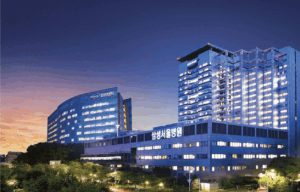 Seoul, South Korea
Samsung Medical Center
Seoul, South Korea
Samsung Medical Center
-
 Bursa, Turkey
Doruk Nilüfer Hospital
Bursa, Turkey
Doruk Nilüfer Hospital
-
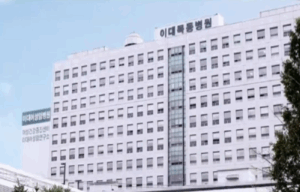 Seoul, South Korea
Medical Center at Ewha Womans University
Seoul, South Korea
Medical Center at Ewha Womans University
-
 Seoul, South Korea
SNUH
Seoul, South Korea
SNUH