

Laser thermal ablation (LTA)
Procedure description
Laser thermal ablation (LTA) is a minimally invasive medical procedure that uses laser radiation to remove or destroy pathologically altered tissues. This method is applied across various fields of medicine, including oncology, neurology, and neurosurgery.
Before the procedure, a thorough patient examination is conducted, including a complete medical history review and diagnostic imaging studies.
Depending on the application and extent of intervention, local anesthesia or general anesthesia may be used. During the procedure, the physician directs a focused laser beam at the affected area. The laser energy heats the tissues, leading to their destruction. A key feature of LTA is its versatility: it can be performed in an outpatient setting or in a hospital, depending on the case.
Indications for the procedure
LTA may be indicated for the treatment of:
- Parkinson’s disease
- Epilepsy of different severity
- Tumors and neoplasms in the brain
Features of the procedure
- Minimally invasive
LTA is less traumatic compared to traditional surgical methods, reducing the risk of complications and the number of contraindications. - Rapid recovery
Most patients can resume normal activities shortly after the procedure. - Precise control of depth
The laser allows for precise control over the depth and volume of tissue impact, minimizing damage to surrounding healthy structures.
Diseases
Procedures
Top Clinics
-

 Istanbul, Turkey
Acıbadem Ataşehir Clinic
Istanbul, Turkey
Acıbadem Ataşehir Clinic
-

 Abu Dhabi, UAE
Burjeel Hospital Abu Dhabi
Abu Dhabi, UAE
Burjeel Hospital Abu Dhabi
-

 Vienna, Austria
Confraternität Private Hospital
Vienna, Austria
Confraternität Private Hospital
-

 Barcelona, Spain
Sant Joan de Deu Children's Hospital
Barcelona, Spain
Sant Joan de Deu Children's Hospital
-

 Petah Tikva, Israel
Medical Center Rabin
Petah Tikva, Israel
Medical Center Rabin
-
 Vienna, Austria
Wiener Privatklinik (WPK)
Vienna, Austria
Wiener Privatklinik (WPK)
-

 Singapore
Mount Elizabeth Hospitals
Singapore
Mount Elizabeth Hospitals
-

 Guangzhou, China
Guangzhou Fuda Oncology Hospital at Jinan University
Guangzhou, China
Guangzhou Fuda Oncology Hospital at Jinan University
-
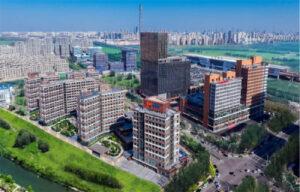 Tianjin, China
BIOOCUS Cancer Cell and Gene Therapy Medical Center
Tianjin, China
BIOOCUS Cancer Cell and Gene Therapy Medical Center