


Neurosurgery
Neurosurgery covers a wide range of conditions affecting the brain, spinal cord, and peripheral nervous system. Just a few years ago, many of these diseases forced patients to choose between risky surgery and progressive loss of quality of life. Today, advancements in neurosurgery have made even complex procedures safer and more effective.
Who needs to see a neurosurgeon
- People with chronic or severe headaches unresponsive to standard treatments
- Patients with vision, hearing, or smell disorders caused by brain tumors or lesions
- Those experiencing coordination issues, frequent dizziness, loss of balance, or limb weakness
- Individuals with seizures or convulsions of unknown cause or increasing severity
- Patients with behavioral changes, memory loss, cognitive decline, or signs of dementia
- Those diagnosed with brain or spinal tumors
- Patients with brain aneurysms or vascular abnormalities
- Individuals with head injuries, hematomas, or skull fractures
- Patients with hydrocephalus or congenital nervous system disorders
What procedures used in global neurosurgery
Leading neurosurgery centers perform the following procedures as part of diagnostics and treatment:
- Magnetic Resonance Imaging (MRI): this is a key diagnostic method in neurosurgery, allowing high-resolution visualization of brain and spinal cord structures. MRI is used to detect tumors, aneurysms, vascular abnormalities, and nerve tissue damage. The diagnostics also help assess the extent of the injury and determine the strategy for further treatment.
- Computed Tomography (CT): often used to evaluate the condition of cranial and spinal bone structures, as well as to identify hemorrhages, hematomas, and other injuries. CT is especially useful in emergency situations where rapid decision-making is required (e.g., in cases of traumatic brain injury).
- Angiography: this procedure is used to examine the blood vessels of the brain. With the help of contrast material and X-ray imaging, aneurysms, stenoses, vascular malformations, and other pathologies can be identified. Angiography helps determine the need for surgical intervention and allows for highly precise surgical planning.
- Electroencephalography (EEG): a method used to diagnose epilepsy and other disorders of brain activity. EEG records the brain’s electrical impulses, allowing identification of areas with increased seizure activity and abnormal rhythms.
- PET-CT (Positron Emission Tomography combined with Computed Tomography): this method allows the assessment of metabolic activity in brain tissues, which helps in diagnosing tumors, dementia, and other diseases associated with impaired brain function.
- Stereotactic Biopsy: a minimally invasive procedure that enables the collection of brain tissue samples for accurate diagnosis. Stereotactic biopsy is used to differentiate between benign and malignant tumors and assists in planning further treatment.
- Intraoperative MRI and CT: these allow imaging during surgery to ensure maximum precision of the surgical intervention and minimize the risk of damage to healthy tissue.
Where to seek qualified help?
| Meningioma | Cerebral Aneurysm | Glioblastoma | Pituitary Adenoma | |
|---|---|---|---|---|
| Leaders in diagnosis and treatment | Turkey Germany USA South Korea Israel Switzerland Spain | Austria Switzerland Israel Germany Spain Finland Turkey | Switzerland Italy Spain Germany France UAE Turkey | Israel Turkey South Korea Russia Finland |
Innovations in neurosurgery
In recent years, neurosurgery has advanced significantly due to innovations that have made the treatment of central nervous system diseases more precise and safer. One of the most important breakthroughs is the use of robotic systems such as ROSA and da Vinci. These technologies provide exceptional precision in brain and spinal surgeries, allowing surgeons to perform procedures through minimal incisions. This reduces recovery time and lowers the risk of complications.
Another major innovation is neuronavigation systems, which combine MRI and CT data to create real-time 3D models of a patient’s brain. These systems help surgeons navigate more accurately during operations, significantly reducing the risk of damage to healthy tissue. This is especially crucial when removing tumors or vascular abnormalities.
Gamma Knife and CyberKnife are advanced methods of stereotactic radiosurgery that use targeted radiation beams for non-invasive treatment of brain tumors and vascular malformations. These technologies minimize trauma and ensure faster recovery, particularly for hard-to-reach or small lesions.
Recently, transcranial magnetic stimulation (TMS) has been increasingly used to aid in the rehabilitation of patients with neurological disorders. TMS stimulates specific areas of the brain, improving function in stroke patients and alleviating symptoms of chronic pain and depression.
Hospitality Medservice is your trusted partner in finding the best clinic worldwide. Our website features only authoritative medical institutions equipped with modern facilities and the latest treatment protocols. Compare clinic ratings and treatment costs, learn about the specialists and contact us for assistance in:
- arranging medical trips
- scheduling in-person consultations
- organizing video consultations
- obtaining a “second opinion”
Submit a request on our website, and one of our medical coordinators will contact you promptly.
Top Clinics
-


 Duisburg, Germany Duisburg-Nord Hospital
 -



 Seoul, South Korea Asan Medical Center
 -


 Jerusalem, Israel Hadassah Medical Center
 -
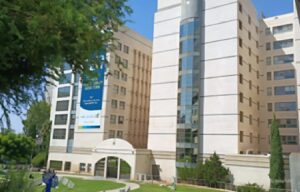 Petah Tikva, Israel Medical Center “Rabin”
 -


 Istanbul, Turkey Medipol Mega University Hospital
 -
 Istanbul, Turkey Istanbul Florence Nightingale Hospital
 -
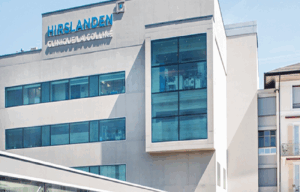
 Geneva, Switzerland Hirslanden Clinique La Colline
 -

 Geneva, Switzerland Generale-Beaulieu
 -

 Istanbul, Turkey Acibadem Altunizade
 -

 Istanbul, Turkey Acıbadem Ataşehir Clinic
 -
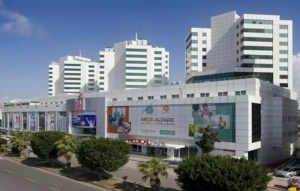
 Antalya, Turkey Hospital Medical Park Antalya
 -
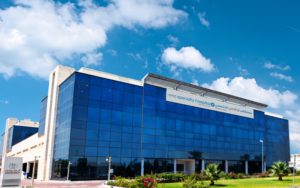
 Dubai, UAE NMC Healthcare
 -
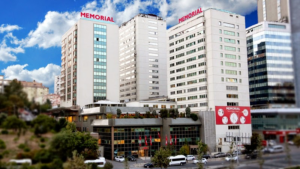 Istanbul, Turkey Hospital “Memorial Şişli”
 -
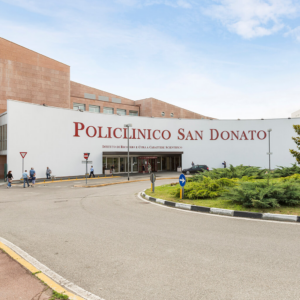

 Milan, Italy San Donato Hospital in Milan, Italy
 -
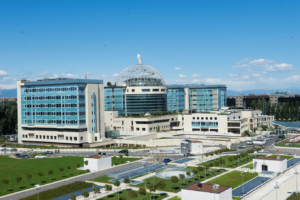
 Milan, Italy San Raffaele University Hospital
 -
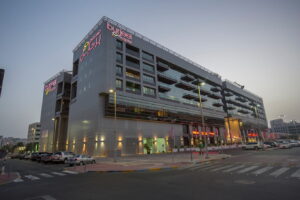 Abu Dhabi, UAE Burjeel Hospital Abu Dhabi
 -


 Vienna, Austria Debling Private Clinic
 -
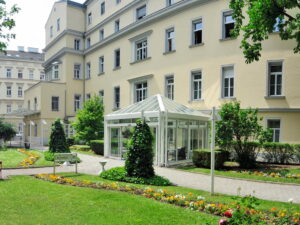 Vienna, Austria Confraternität Private Hospital
 -
 Heidelberg, Germany Heidelberg University Hospital
 -

 Hamburg, Germany Asklepios Nord Heidberg
 -
 Dusseldorf, Germany FKKD Clinical Complex
 -
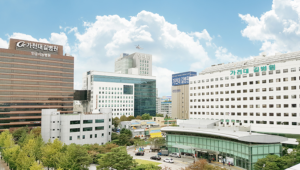
 Incheon, South Korea Gil Medical Center at Gachon University
 -
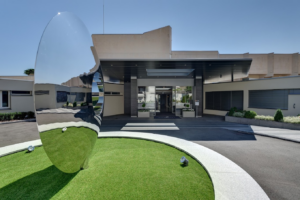 Nyon, Switzerland Clinique Genolier
 -

 Istanbul, Turkey “Memorial Ataşehir” Clinic
 -

 Antalya, Turkey Memorial Antalya Hastanesi
 -
 Bodrum, Turkey Acibadem Bodrum Hospital
 -
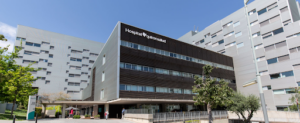

 Barcelona, Spain QuironSalud Barcelona Hospital
 -
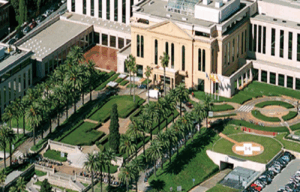 Barcelona, Spain Medical Center "Teknon"
 -
 Barcelona, Spain Sant Joan de Deu Children's Hospital
 -
 Barcelona, Spain University Hospital Barnaclinic+
 -
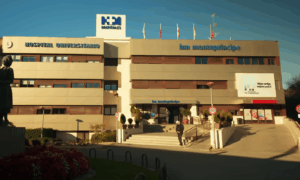
 Madrid, Spain University Hospital HM Monteprincipe
 -
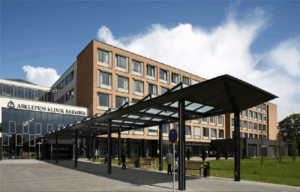 Hamburg, Germany Asklepios Klinik Barmbek
 -
 Gebze, Turkey Anadolu Clinic
 -
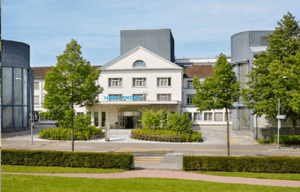 Zurich, Switzerland Hirslanden Clinic
 -
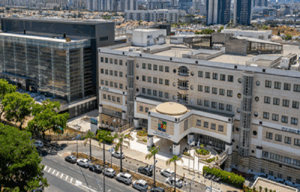 Petah Tikva, Israel Schneider Children's Medical Center
 -
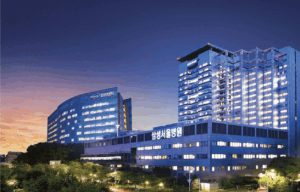 Seoul, South Korea Samsung Medical Center
 -
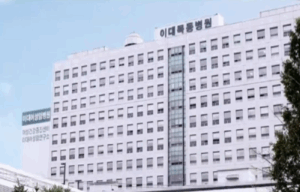 Seoul, South Korea Medical Center at Ewha Womans University
 -
 Seoul, South Korea SNUH
 -
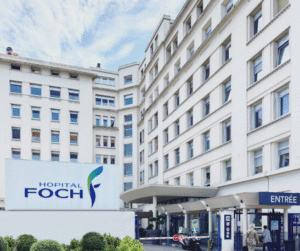

 Suresnes, France Hospital Foch