


Anti-Aging Programs in European Sanatoriums
The desire to preserve youth and a sense of inner lightness is natural at any age. This concerns not only outward appearance but also how a person feels in everyday life. For example, how easily they wake up in the mornings, how quickly they recover after exertion, and whether they have enough energy for their usual activities and new experiences.
With due consideration of these very aspects, special anti-aging programs have been developed at the leading health resorts of Europe.
Indications for Sanatorium and Health Resort Treatment
Anti-aging programs are suitable for people who begin to notice a decrease in energy levels and slower recovery after usual emotional and physical stress. This is manifested by increased fatigue, sleep disturbances, or the feeling that the body needs more and more time to return to a working state.
In addition, this sanatorium health format is often chosen for the first signs of aging changes in appearance, such as:
- decreased muscle tone of the skin
- appearance of expression wrinkles
- reduction in skin firmness and elasticity
- changes in facial contour
- signs of dull or uneven skin tone
- slowing of recovery (regeneration) processes
In recent years, increasing attention has been paid to preventive medicine, which focuses not on treating already developed diseases but on their prevention. Anti-aging programs in sanatoriums fit perfectly within this approach. Regular support of metabolic processes and attention to daily routine and nutrition form the foundation for disease prevention. All this helps to slow down age-related changes and maintain active longevity.
Composition of Anti-Aging Programs in Sanatoriums
Methods of anti-aging programs at resorts address both external and internal rejuvenation processes. Most often, the treatment course includes:
Restoration of Sleep Routine and Quality
The body’s performance largely depends on the daily routine. At a resort, a clear yet comfortable schedule is established, where treatments, rest, and activity are evenly distributed throughout the day. This reduces the strain on the nervous system and helps the body recover from chronic tension and stress.
Alongside the stabilization of the routine, the quality of sleep gradually improves. And as is well known, full-quality sleep plays an important role in tissue regeneration, skin condition, and overall energy levels.
Normalization of Nutrition
Recent studies increasingly highlight the role of nutrition in the development of diet-related diseases (conditions dependent on how and what a person eats). Examples include diabetes, cardiovascular and endocrine diseases, osteoporosis, and others. With age, the body’s sensitivity to food quality only increases, and the consequences of an unbalanced diet become faster and more noticeable.
At European resorts, the diet is tailored to the age, activity level, and individual needs of each patient’s body. Special attention is paid to product quality, meal regularity, and adequate intake of essential micro- and macronutrients. During the course, a person develops a more conscious approach to nutrition, which helps maintain the new routine even outside the sanatorium setting.
Physical Activity
Physical activity is included in anti-aging programs as a means to maintain mobility, muscle tone, and endurance. The intensity of exercises is selected individually and introduced gradually.
Programs most often include:
- walking and cycling tours around the surroundings
- therapeutic gymnastics
- aqua aerobics and other water-based activities
- flexibility and stretching exercises
- yoga and pilates
This variety of activities allows for gentle maintenance of physical fitness without feelings of fatigue or overexertion.
Spa Treatments
Spa treatments hold a central place in anti-aging programs. Their main objectives are to maintain the appearance of skin, hair, and nails, enhance tissue tone, promote overall rejuvenation of the body, and improve well-being.
The format of procedures is largely determined by the natural features and climate of the resort, so approaches can vary significantly depending on the region. At seaside resorts (for example, in France, Italy, and Spain), the programs are primarily based on thalassotherapy. This method utilizes the healing resources of the sea: seawater, seaweed, and therapeutic mud. During wraps, baths, and hydrotherapy treatments, these components create a pronounced relaxing and nurturing effect, support skin condition, and help the body recover more easily from age-related changes.
At resorts with thermal springs (for example, in Hungary and some regions of Italy), warm mineral baths form the key element of the programs. Thermal water helps relieve muscle tension, improve microcirculation, and promote a deep sense of relaxation.
Spa programmes in Greece draw on both marine and thermal resources. In Halkidiki, the emphasis is on thalassotherapy using Aegean Sea water and products based on marine extracts. In Edipsos, the focus is on treatments with thermal water: mineral baths, wraps, and face and body care.
In forested and mountainous regions of Switzerland and Austria, spa treatments are complemented by local natural components. These include local herbs, aromatherapy, and formats of rest in quiet and secluded environments. This approach helps reduce sensory overload and enhances the overall restorative effect.
Physiotherapy
Unlike spa treatments, which work through general relaxation and care, physiotherapy targets deeper mechanisms — microcirculation, tissue tone, and cellular activity.
Anti-aging programs most often use:
- Laser techniques aimed at stimulating skin regeneration processes and maintaining its firmness.
- Pressotherapy, used to improve lymphatic drainage, reduce swelling, and enhance body contours.
- Microcurrent therapy, applied to maintain muscle tone of the face and body, as well as to improve microcirculation.
TOP Countries for Age-Related Corrections
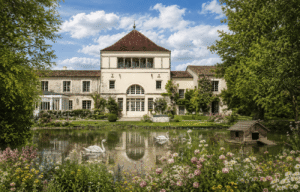
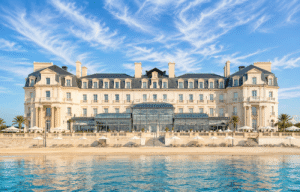
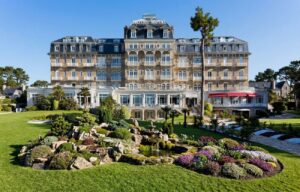
France
France has developed a culture not only of working with age-related skin changes but also addressing the aging process as a whole. French therapeutic programs go beyond cosmetic care. They include: diagnostics, physiotherapy, nutritional correction, restorative methods focused on slowing aging and improving quality of life.
A special place is given to thalassotherapy here. Marine resources are harvested from the coastal waters of the Atlantic Ocean and the Mediterranean Sea, far from ports and industrial areas. The water undergoes multi-stage filtration and is used in treatments in its natural, undiluted form. These thalassotherapy procedures are complemented by seaside walks and swimming in local waters. Such activities help reduce stress levels, support restorative processes, and enhance the overall anti-aging effect.
TOP Hotels


Hungary
Hungary is a country with the largest number of thermal mineral springs. According to national geological surveys, more than 1,000 springs have been identified across the country, each with its unique composition.
Calcium-magnesium thermal waters are used to support the musculoskeletal system and stabilize the nervous system, hydrocarbonate waters help to generally strengthen the body and enhance immunity. Hydrogen sulfide waters are used to improve skin condition, carbonic waters provide a gentle effect on the vascular system and peripheral blood circulation.
A distinctive feature of the Hungarian approach is the accessibility and regularity of procedures. Anti-aging programs are designed so that therapeutic treatments naturally fit into the daily routine. This makes the health improvement process feel calm and sustainable, easily tolerated, and producing cumulative benefits.
TOP Hotels
-
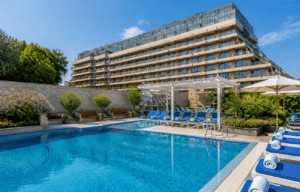
 Budapest, Hungary
Ensana Thermal Margaret Island Health Spa Hotel 4*S
-
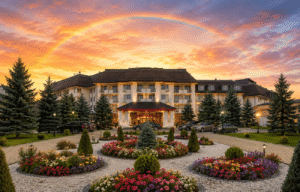 Bük-Bükfürdő, Hungary
Greenfield Hotel Golf & Spa 4*
-
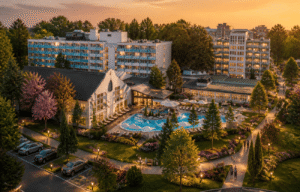 Hévíz, Hungary
NaturMed Hotel Carbona 4*S
-
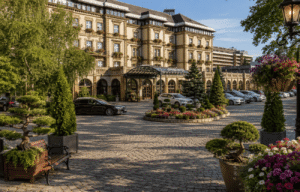 Budapest, Hungary
Ensana Grand Margaret Island Health Spa Hotel 4*S
-
 Sárvár, Hungary
Spirit Hotel Thermal SPA 5*S
-
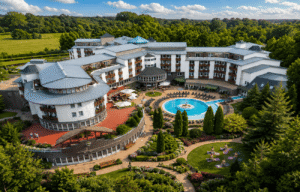 Hévíz, Hungary
Lotus Therme Hotel & Spa 5*
Italy
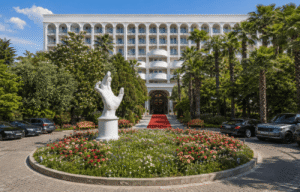
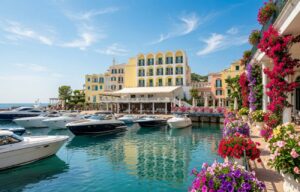
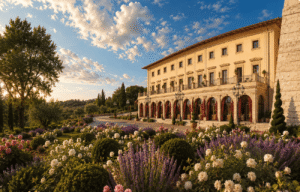
Italy is rich in a variety of natural factors used in anti-aging programs. Depending on the region, it features both thermal resorts with mineral springs and seaside areas with a mild climate.
Thermal resorts (such as Abano Terme and Montecatini Terme) are traditionally used in anti-aging programs focused on supporting metabolic processes and strengthening the musculoskeletal system. Thermal water and therapeutic mud are applied here to relieve local inflammation and muscle tension, reduce swelling, and create conditions for a more comfortable response of the body to physiotherapy and movement.
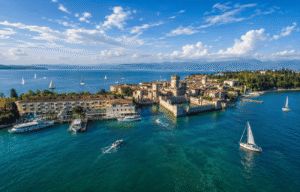
At the same time, Italy’s seaside resorts specialize in procedures using marine resources. For example, in the Sirmione area, anti-aging programs include thalassotherapy, walks along the shores of Lake Garda, and physical activity. Ischia deserves special attention as a unique island location where both thermal springs and marine factors can be used within one program.
TOP Hotels



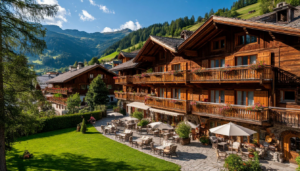
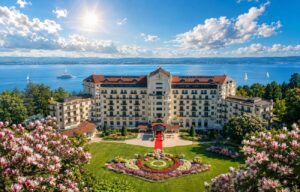
Switzerland
Sanatorium programs in Switzerland are built around normalizing life rhythms and reducing background overload. Mountain air, a limited number of external stimuli, and a well-thought-out daily routine create conditions in which the body emerges more quickly from a state of chronic stress. This type of wellness approach is especially appreciated by people whose lives are often accompanied by fatigue, sleep disturbances, and a constant feeling of internal rush.
A distinctive feature of Swiss anti-aging programs is a personalized approach. The work is organized not according to a universal scheme, but around the specific goals of the patient. For some, this is maintaining body tone and mobility; for others — correcting body shape and composition; for others still — normalizing metabolic processes and restoring internal balance. This format allows focusing precisely on those aspects that are most important at the current stage of a person’s life.
TOP Hotels
-
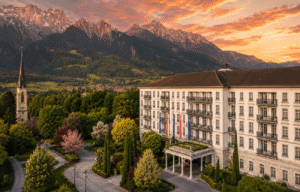
 Bad Ragaz, Switzerland
Grand Hotel Quellenhof & SPA Suites 5*
-
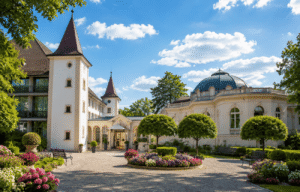 Iverdon-les-Bains, Switzerland
Grand Hôtel & Centre Thermal Yverdon-les-Bains 4*
-
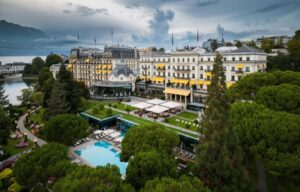 Lausanne, Switzerland
Beau-Rivage Palace 5*
-
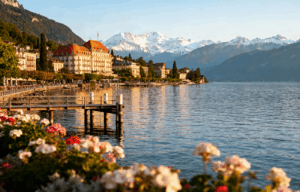 Montreux, Switzerland
Fairmont Le Montreux Palace 5*
-
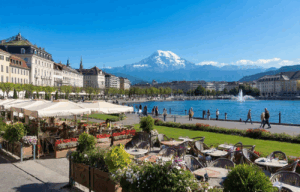 Geneva, Switzerland
La Reserve Geneve Hotel & Spa 5*
-
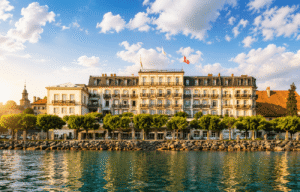 Vevey, Switzerland
Hotel des Trois Couronnes 5*
Hospitality MedService cooperates exclusively with trusted resorts, clinics, and hotels offering all the conditions for a quality recovery. We assist in selecting the most suitable destination and program, based on diagnosis, goals, and personal preferences.