


Heart Defects
Disease description
Structural abnormalities of the heart may be congenital or develop during life. Any defect affects the functioning of the organ to some extent.
Congenital heart defects account for one-third of all congenital pathologies and are one of the main causes of infant mortality.
Among acquired cardiovascular diseases, heart defects make up 20%. The primary cause of abnormalities in adults is rheumatic valve damage.
Symptoms indicating the need for diagnosis and treatment
Acquired heart defects are characterized by:
- General weakness and fatigue
- Irregular heartbeat (palpitations, pain, “flutter” in the chest)
- Shortness of breath (in advanced cases — when lying on the back)
- Cough
- Dizziness and fainting
- Swelling of the lower extremities (in the evening)
In long-standing pathology, thickening of the fingertips (clubbing) and deformation of the nail plate (watch-glass nails) may occur.
Diagnostic methods
Diagnostic
In addition to standard diagnostic methods for heart disease, when a heart defect is suspected, leading clinics perform laboratory testing for rheumatic markers.
For diagnosing valve apparatus pathologies, informative transthoracic echocardiography (cardiac ultrasound) or transesophageal echocardiography is used.
Treatment
The type and extent of surgical intervention depend on the defect itself and its severity. For stenosis, commissurotomy (separation of fused valve leaflets) is considered an effective method; for insufficiency, valve repair or replacement is performed.
A unique valve repair option in leading cardiology centers is the removal of damaged chordae with their replacement by special PTFE sutures.
Innovations in leading clinics
For valve replacement, biological autografts made from the patient’s own tissues are used. Such valves are not rejected, as the immune system does not react to them. Additionally, there is no need for lifelong anticoagulant therapy. The frequency of blood testing with this method is significantly reduced.
Clinics specializing in the treatment of heart defects
-
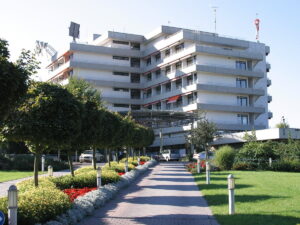

 Bad Krozingen, Germany University Heart Center Freiburg
 -


 Seoul, South Korea Asan Medical Center
 -

 Jerusalem, Israel Hadassah Medical Center
 -
 Petah Tikva, Israel Medical Center Rabin
 -

 Istanbul, Turkey Istanbul Florence Nightingale Hospital
 -


 Geneva, Switzerland Generale-Beaulieu
 -

 Istanbul, Turkey Acibadem Altunizade
 -

 Istanbul, Turkey Acıbadem Ataşehir Clinic
 -

 Antalya, Turkey Hospital Medical Park Antalya
 -
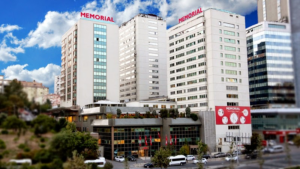
 Istanbul, Turkey Hospital Memorial Şişli
 -
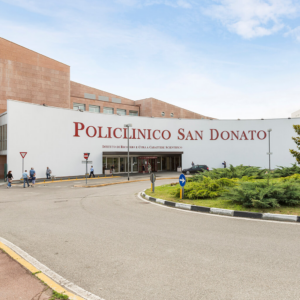

 Milan, Italy San Donato Hospital
 -

 Milan, Italy San Raffaele University Hospital
 -
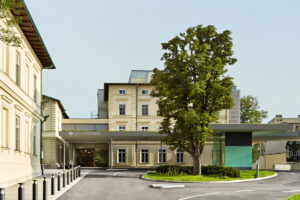
 Graz, Austria Leech Private Hospital
 -

 Vienna, Austria Debling Private Clinic
 -
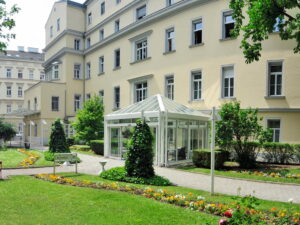 Vienna, Austria Confraternität Private Hospital
 -
 Heidelberg, Germany Heidelberg University Hospital
 -
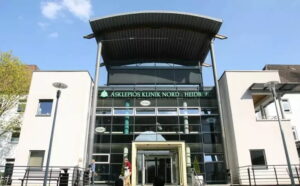
 Hamburg, Germany Asklepios Nord Heidberg
 -
 Nyon, Switzerland Clinique Genolier
 -

 Istanbul, Turkey Memorial Ataşehir Clinic
 -


 Barcelona, Spain QuironSalud Barcelona Hospital
 -
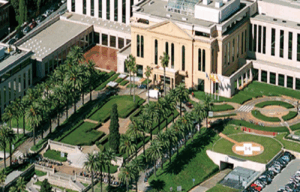 Barcelona, Spain Medical Center Teknon
 -
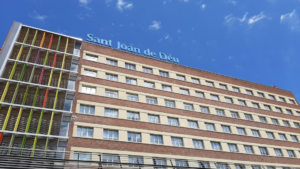 Barcelona, Spain Sant Joan de Deu Children's Hospital
 -
 Barcelona, Spain University Hospital Barnaclinic+
 -
 Gebze, Turkey Anadolu Clinic
 -
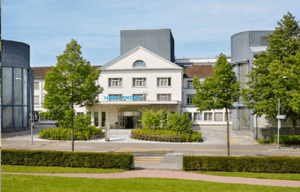 Zurich, Switzerland Hirslanden Clinic
 -
 Petah Tikva, Israel Schneider Children's Medical Center
 -
 Seoul, South Korea Samsung Medical Center
 -
 Seoul, South Korea SNUH