


Uterine fibroid
Disease Description
Uterine fibroid is one of the common problems in modern gynecology, ranking second after inflammatory diseases of the pelvic organs. A fibroid is a benign, well-demarcated tumor of the body or cervix of the uterus.
According to WHO data, myomatous nodules are diagnosed in 30-35% of women of reproductive age (more often after 30 years). However, in recent years, the incidence in women under the age of 30 has increased from 2% to 12.5%.
Symptoms indicating the need for diagnosis and treatment
Among all women diagnosed with fibroids, only one-third have symptomatic manifestations, which directly depend on its localization.
- Subserosal fibroid: frequently diagnosed, located under the peritoneum and protruding above the uterine surface. In 70% of cases, it does not cause clinical manifestations. Some patients experience lower abdominal and lower back pain, a feeling of pressure on the pelvic organs (including the rectum and urinary bladder), and constipation.
- Intramural fibroid: the most common localization of myomatous nodules, situated within the thickness of the uterine wall. Their number may increase over time, reaching 25 or more. With small fibroids, no clinical picture is observed. Some patients are troubled by pelvic pain, painful menstruation, and painful sexual intercourse.
- Submucosal fibroid: diagnosed less frequently than the others but has more pronounced characteristic symptoms. The most significant manifestations include heavy and prolonged menstruation, intermenstrual bleeding (in the middle of the cycle), and dull or sharp lower abdominal pain. Submucosal fibroid may lead to anemia (due to significant blood loss).
Diagnosis and treatment
Diagnosis
High-precision equipment installed in gynecological offices of leading international clinics makes it possible to detect even the smallest nodules that are still beyond the reach of the doctor’s hands.
The most common diagnostic methods include:
- Ultrasound examination (US): the primary method for diagnosing fibroids. In Europe, state-of-the-art ultrasound technologies — three-dimensional (3D) and four-dimensional (4D) imaging — are actively used.
- Magnetic resonance imaging (MRI): used for diagnosing large or hard-to-reach fibroid nodules.
- Hysteroscopy: an endoscopic examination of the uterine cavity “from the inside.” Hysteroscopes in leading hospitals are the most advanced devices with high-resolution video cameras and minimal size.
- Contrast sonography: a method involving the introduction of a contrast agent followed by ultrasound evaluation of the tumor.
- Auxiliary methods: laboratory diagnostics, biopsy, and tumor markers.
Treatment
Modern treatment of uterine fibroids applied in the world’s top clinics is performed according to international clinical protocols, with particular attention to the evidence base and the appropriateness of the applied methods.
Effective types of uterine fibroid treatment:
- Myomectomy: a surgical procedure in which only the fibroid is removed while the uterus remains intact
- Ablation: literally “vaporization” of the fibroid using a laser or electrocoagulation, performed inside the uterus
- Uterine artery embolization: a minimally invasive procedure in which the physician blocks blood flow in the vessels supplying the tumor
- Focused ultrasound therapy: an advanced method of remote tumor destruction under MRI guidance
Innovations in world clinics
One of the significant innovations in uterine fibroid treatment is the use of the Da Vinci robotic platform.
A study comparing the results of robotic and laparoscopic surgery in the treatment of uterine fibroids, published in the journal Obstetrics and Gynecology, showed that the robotic system has a number of advantages over conventional surgery, namely:
- Lower intraoperative blood loss
- Higher effectiveness in fibroid removal or uterine artery embolization (no secondary episodes occurred)
- Shorter and easier postoperative recovery period
- Lower number of cases requiring conversion to open surgery (laparotomy) when the fibroid cannot be accessed through a mini-incision. This is explained by the fact that the robot has seven degrees of freedom
Procedures
Top clinics
-

 Seoul, South Korea
Asan Medical Center
Seoul, South Korea
Asan Medical Center
-

 Jerusalem, Israel
Hadassah Medical Center
Jerusalem, Israel
Hadassah Medical Center
-
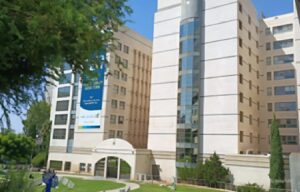 Petah Tikva, Israel
Medical Center Rabin
Petah Tikva, Israel
Medical Center Rabin
-
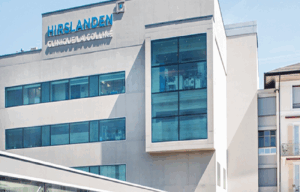
 Geneva, Switzerland
Hirslanden Clinique La Colline
Geneva, Switzerland
Hirslanden Clinique La Colline
-
 Geneva, Switzerland
Generale-Beaulieu
Geneva, Switzerland
Generale-Beaulieu
-

 Istanbul, Turkey
Acibadem Altunizade
Istanbul, Turkey
Acibadem Altunizade
-
 Istanbul, Turkey
Acıbadem Ataşehir Clinic
Istanbul, Turkey
Acıbadem Ataşehir Clinic
-
 Antalya, Turkey
Hospital Medical Park Antalya
Antalya, Turkey
Hospital Medical Park Antalya
-
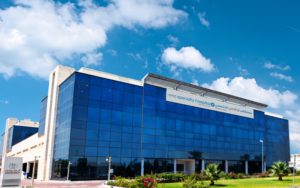
 Dubai, UAE
NMC Healthcare
Dubai, UAE
NMC Healthcare
-
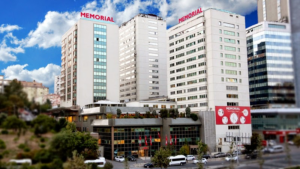 Istanbul, Turkey
Hospital Memorial Şişli
Istanbul, Turkey
Hospital Memorial Şişli
-

 Milan, Italy
San Donato Hospital
Milan, Italy
San Donato Hospital
-
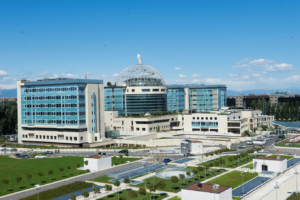 Milan, Italy
San Raffaele University Hospital
Milan, Italy
San Raffaele University Hospital
-
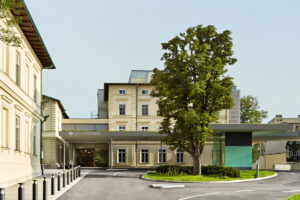
 Graz, Austria
Leech Private Hospital
Graz, Austria
Leech Private Hospital
-
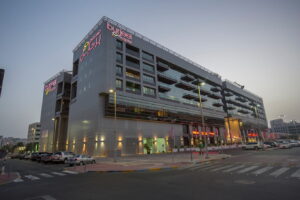 Abu Dhabi, UAE
Burjeel Hospital Abu Dhabi
Abu Dhabi, UAE
Burjeel Hospital Abu Dhabi
-
 Vienna, Austria
Debling Private Clinic
Vienna, Austria
Debling Private Clinic
-
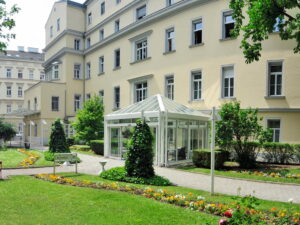 Vienna, Austria
Confraternität Private Hospital
Vienna, Austria
Confraternität Private Hospital
-

 Heidelberg, Germany
Heidelberg University Hospital
Heidelberg, Germany
Heidelberg University Hospital
-
 Hamburg, Germany
Asklepios Nord Heidberg
Hamburg, Germany
Asklepios Nord Heidberg
-
 Dusseldorf, Germany
FKKD Clinical Complex
Dusseldorf, Germany
FKKD Clinical Complex
-
 Winterthur, Switzerland
Clinic Lindberg
Winterthur, Switzerland
Clinic Lindberg
-
 Istanbul, Turkey
Memorial Bahçelievler Clinic
Istanbul, Turkey
Memorial Bahçelievler Clinic
-
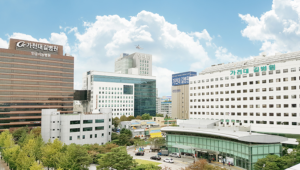 Incheon, South Korea
Gil Medical Center at Gachon University
Incheon, South Korea
Gil Medical Center at Gachon University
-
 Lausanne, Switzerland
Clinique Montchoisi
Lausanne, Switzerland
Clinique Montchoisi
-
 Nyon, Switzerland
Clinique Genolier
Nyon, Switzerland
Clinique Genolier
-
 Istanbul, Turkey
Memorial Ataşehir Clinic
Istanbul, Turkey
Memorial Ataşehir Clinic
-
 Antalya, Turkey
Memorial Antalya Hastanesi
Antalya, Turkey
Memorial Antalya Hastanesi
-
 Bodrum, Turkey
Acibadem Bodrum Hospital
Bodrum, Turkey
Acibadem Bodrum Hospital
-
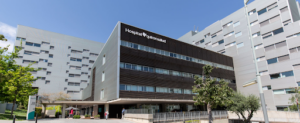
 Barcelona, Spain
QuironSalud Barcelona Hospital
Barcelona, Spain
QuironSalud Barcelona Hospital
-
 Barcelona, Spain
Dexeus University Hospital
Barcelona, Spain
Dexeus University Hospital
-
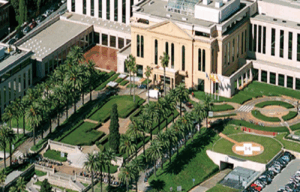 Barcelona, Spain
Medical Center Teknon
Barcelona, Spain
Medical Center Teknon
-
 Barcelona, Spain
Sant Joan de Deu Children's Hospital
Barcelona, Spain
Sant Joan de Deu Children's Hospital
-
 Barcelona, Spain
University Hospital Barnaclinic+
Barcelona, Spain
University Hospital Barnaclinic+
-
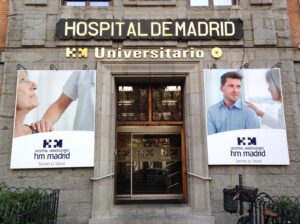 Madrid, Spain
University Clinic HM Madrid
Madrid, Spain
University Clinic HM Madrid
-
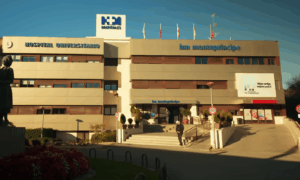 Madrid, Spain
University Hospital HM Monteprincipe
Madrid, Spain
University Hospital HM Monteprincipe
-
 Gebze, Turkey
Anadolu Clinic
Gebze, Turkey
Anadolu Clinic
-
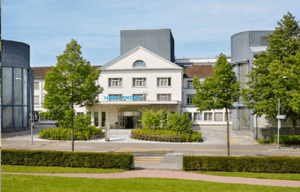 Zurich, Switzerland
Hirslanden Clinic
Zurich, Switzerland
Hirslanden Clinic
-
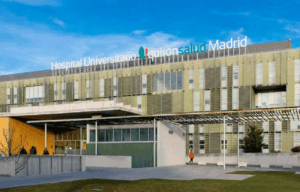 Madrid, Spain
QuironSalud University Hospital
Madrid, Spain
QuironSalud University Hospital
-
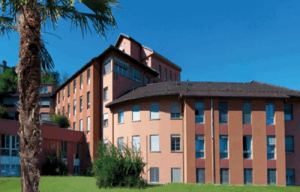 Lugano, Switzerland
Saint Anna Clinic
Lugano, Switzerland
Saint Anna Clinic
-
 Geneva, Switzerland
Clinique des Grangettes
Geneva, Switzerland
Clinique des Grangettes
-
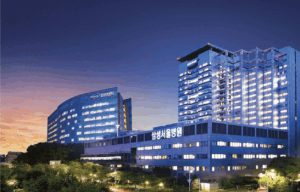 Seoul, South Korea
Samsung Medical Center
Seoul, South Korea
Samsung Medical Center
-
 Bursa, Turkey
Doruk Nilüfer Hospital
Bursa, Turkey
Doruk Nilüfer Hospital
-
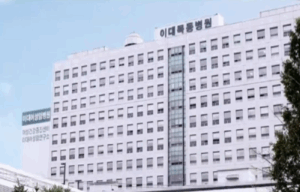 Seoul, South Korea
Medical Center at Ewha Womans University
Seoul, South Korea
Medical Center at Ewha Womans University
-
 Seoul, South Korea
SNUH
Seoul, South Korea
SNUH
-
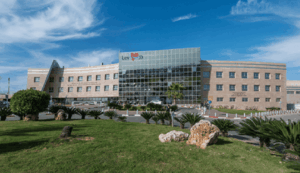 Ramat Gan, Israel
Sheba clinic
Ramat Gan, Israel
Sheba clinic