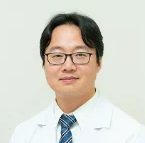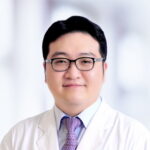


 Doctor Kim, Dae-yeon
About the doctor



Dr. Kim Dae-yeon is a South Korean gynecologist and gynecologic oncologist, and a professor at the University of Ulsan College of Medicine and Asan Medical Center in Seoul. He specializes in the diagnosis and treatment of malignant tumors of the female reproductive system, particularly ovarian, endometrial, and cervical cancer. Since March 2020, he has headed the Gynecologic Oncology Center at Asan Medical Center.
Laparoscopic and robot-assisted procedures play an important role in Dr. Kim’s clinical practice. He treats patients with gynecologic malignancies, including complex and recurrent cases, and also focuses on fertility preservation in selected patients with cancer. The suitability of fertility-sparing treatment depends on the type and stage of the tumor and the individual clinical indications.
In addition to his clinical practice, Dr. Kim is actively involved in research. His academic profile includes publications, scientific posters, and research presentations in gynecologic oncology. In January 2024, he became president of the Korean Society of Gynecologic Robotic Surgery.
Key areas of expertise:
- Gynecologic oncology — diagnosis and treatment of ovarian, endometrial, and cervical cancer
- Minimally invasive and robot-assisted gynecologic surgery — surgical treatment of gynecologic malignancies using laparoscopic and robotic techniques
Dr. Kim Dae-yeon’s main professional interests:
- Ovarian, endometrial, and cervical cancer
- Uterine sarcoma, vaginal cancer, and vulvar cancer
- Other malignant tumors of the female reproductive system
- Laparoscopic surgery for gynecologic malignancies
- Robot-assisted surgery
- Treatment of recurrent ovarian and uterine cancer
- Fertility-sparing treatment for selected early-stage cancers
- Surgical treatment of cervical cancer
- Preoperative assessment of tumor extent
- Use of chemotherapy and targeted therapies in the treatment of gynecologic malignancies
- Prediction of the risk of recurrence after treatment
- Evaluation of the efficacy and safety of modern treatment approaches
- Research aimed at improving outcomes in endometrial and ovarian cancer
Education
In Korea, medical education is structured so that after obtaining a basic medical degree, a doctor can immediately enter a doctoral program (PhD), bypassing a master’s degree. This is related to the emphasis on scientific research in medicine, and such a sequence of degrees is not an error but a feature of the educational system.