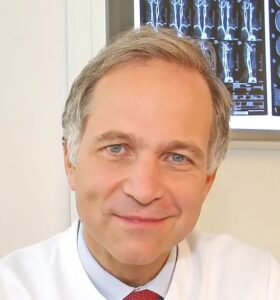


Post-stroke rehabilitation
A stroke is an acute disruption of blood circulation in the brain, resulting in impaired function of the nervous system. It is considered one of the most severe neurological conditions. While it most commonly occurs in individuals over the age of 50, it can be diagnosed at any age.
Strokes are classified based on their cause:
- Ischemic stroke (cerebral infarction): Caused by blockage of a blood vessel (typically by a thrombus), which interrupts blood supply to brain tissue. This type accounts for 85-90% of all strokes.
- Hemorrhagic stroke: Caused by rupture of a blood vessel and bleeding into the brain. It is less common, comprising 10-15% of all stroke cases.
A stroke typically begins suddenly with symptoms such as headache, general weakness, paresis, or paralysis. In severe cases, loss of consciousness may occur.
Following a cerebral blood flow disruption, long-term rehabilitation is essential.
Specifics of the procedure in global clinics
The goal of neurorehabilitation is to maximize the elimination of post-stroke consequences. Recovery requires a comprehensive approach and an individualized treatment plan.
Key areas of rehabilitation:
Treatment of motor impairments. Dozens of approaches have been developed to address such dysfunctions, including the Vojta method, PNF (proprioceptive neuromuscular facilitation), EMG-triggered electrostimulation, and stochastic resonance therapy.
Overcoming neuropsychological disorders. To improve the function of the central nervous system, stimulation methods are used, such as transcranial magnetic stimulation, mesodiencephalic modulation, and audiovisual stimulation. Multisensory virtual reality simulators ReviMotion and ReviVR have shown particular effectiveness in neurorehabilitation.
Restoring coordination and gait. This is one of the most challenging tasks in rehabilitation. Functional electrical therapy is effective in this case (Peronaeus-Orthese, FEPO neuroprostheses).
To rehabilitate lower limb function after a stroke, the mobile version of the exoskeleton — ReStore Exo-Suit — is used. The system attaches to the waist and ankle on the affected side and synchronizes the patient’s step.
The advanced Rewalk system (a bionic exoskeleton), used in global clinics, helps paralyzed patients climb stairs and autonomously determines movements.
The Brain and Neurotechnology Center has developed a stroke rehabilitation technology based on artificial intelligence and computer vision. A virtual trainer evaluates the accuracy of patients’ movements and builds their psychological confidence.
Top clinics
-
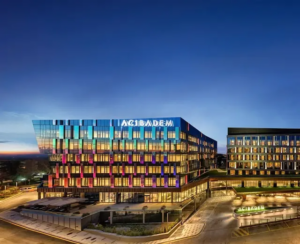
 Istanbul, Turkey Acibadem Altunizade
 -

 Seoul, South Korea Asan Medical Center
 -
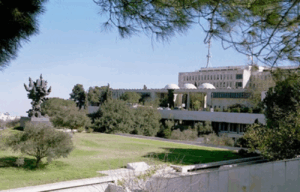

 Jerusalem, Israel Hadassah Medical Center
 -
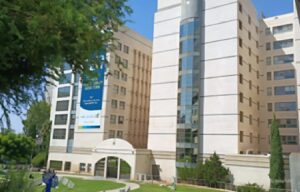 Petah Tikva, Israel Medical Center Rabin
 -
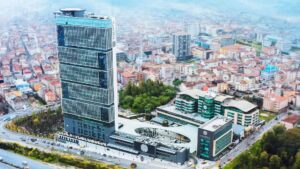
 Istanbul, Turkey Medipol Mega University Hospital
 -
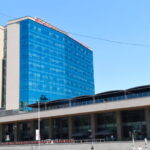 Istanbul, Turkey Istanbul Florence Nightingale Hospital
 -


 Geneva, Switzerland Generale-Beaulieu
 -
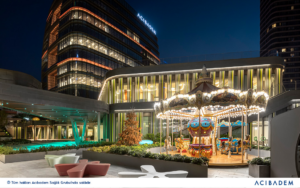
 Istanbul, Turkey Acıbadem Ataşehir Clinic
 -
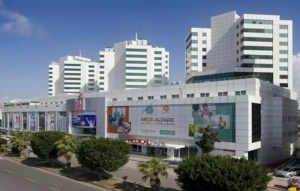
 Antalya, Turkey Hospital Medical Park Antalya
 -
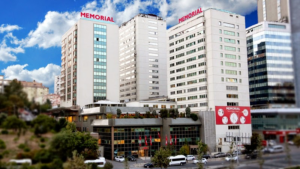 Istanbul, Turkey Hospital Memorial Şişli
 -
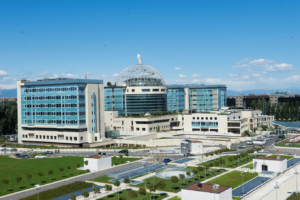

 Milan, Italy San Raffaele University Hospital
 -
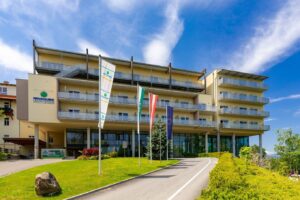
 Lassnitzhöhe, Austria Lassnitzhöhe Private Clinic
 -
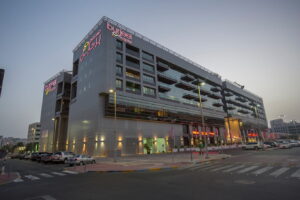
 Abu Dhabi, UAE Burjeel Hospital Abu Dhabi
 -
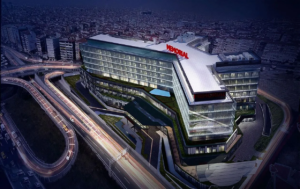
 Istanbul, Turkey Memorial Bahçelievler Clinic
 -
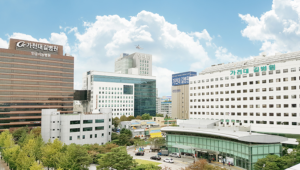
 Incheon, South Korea Gil Medical Center at Gachon University
 -
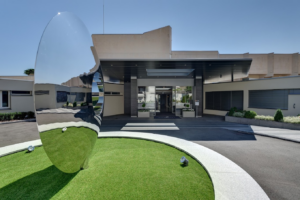 Nyon, Switzerland Clinique Genolier
 -
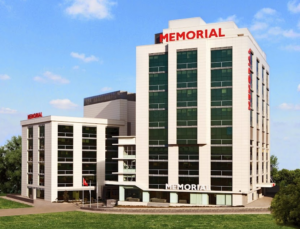
 Istanbul, Turkey Memorial Ataşehir Clinic
 -
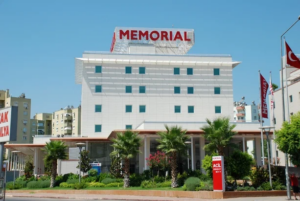
 Antalya, Turkey Memorial Antalya Hastanesi
 -
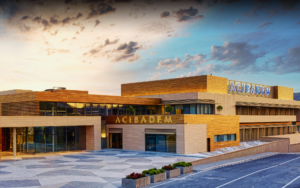 Bodrum, Turkey Acibadem Bodrum Hospital
 -
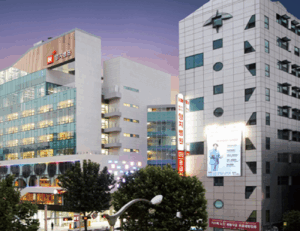
 Seoul, South Korea H+ Yangji Hospital
 -
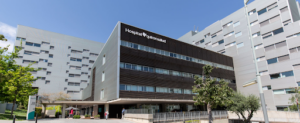

 Barcelona, Spain QuironSalud Barcelona Hospital
 -
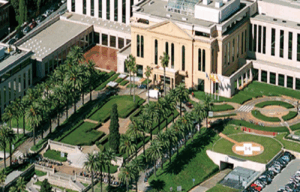 Barcelona, Spain Medical Center Teknon
 -
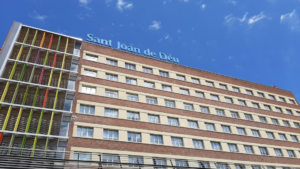 Barcelona, Spain Sant Joan de Deu Children's Hospital
 -
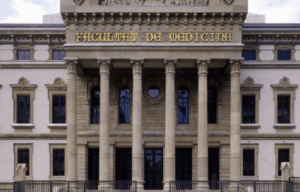 Barcelona, Spain University Hospital Barnaclinic+
 -
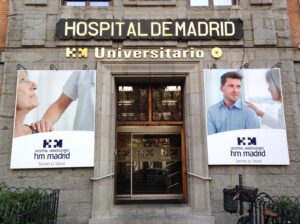
 Madrid, Spain University Clinic HM Madrid
 -
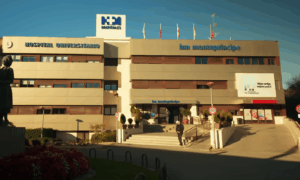
 Madrid, Spain University Hospital HM Monteprincipe
 -
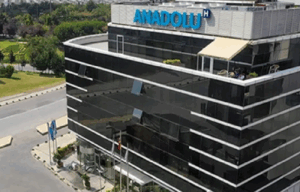 Gebze, Turkey Anadolu Clinic
 -
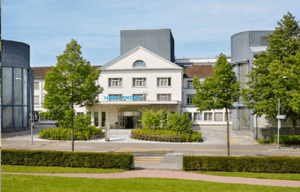 Zurich, Switzerland Hirslanden Clinic
 -
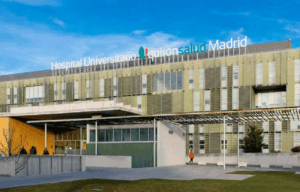 Madrid, Spain QuironSalud University Hospital
 -
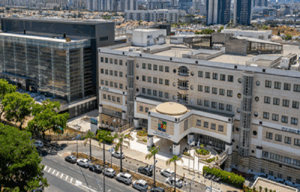 Petah Tikva, Israel Schneider Children's Medical Center
 -
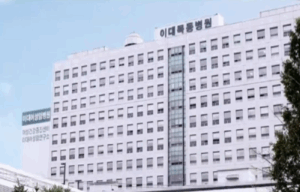 Seoul, South Korea Medical Center at Ewha Womans University
 -
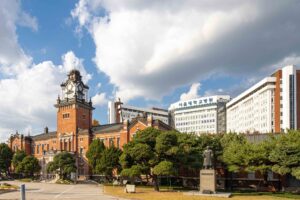 Seoul, South Korea SNUH