Orthopedic rehabilitation
Procedure description
Orthopedic rehabilitation is a set of measures aimed at recovery after surgeries and injuries. The main goal of ortho-rehabilitation is to restore the patient’s muscle strength and prevent complications.
Indications for orthopedic rehabilitation
When is orthopedic rehabilitation necessary?
- After hip joint surgery (the most common procedure is joint replacement, or endoprosthetics)
- After a radius fracture (a typical injury where the bone breaks near the wrist)
- In cases of arthrosis of the shoulder and knee joints (a degenerative disease that, with proper treatment by highly qualified doctors, responds well to rehabilitation)
- After knee or meniscus surgery
- In cases of skeletal development pathologies (rib and spine anomalies)
- After a femoral neck fracture (a dangerous injury, most often occurring in elderly people due to decreased muscle strength and attention)
- After an ankle fracture (bone healing is slow)
Specifics of the procedure in global clinics
Top centers in Europe have developed specialized rehabilitation programs for patients with orthopedic conditions. Full recovery requires a comprehensive treatment program, strictly prescribed by the attending physician.
To develop a complete treatment plan, a medical board is convened, consisting of at least three specialists:
- Traumatologist
- Rehabilitation specialist
- Neurologist
Key methods of orthopedic rehabilitation
Robotic mechanotherapy. This involves the use of specialized devices for limb training with biofeedback functionality. It is suitable for all types of joints — both large and small.
Robotic systems are a breakthrough in rehabilitation and are designed to treat gait, coordination, and balance disorders. The most popular among walking rehabilitation robots is Locomat, while for early activation of patients after surgery, the Erigo verticalization system is widely used. Learn more about how robotic systems like Locomat are used across different areas of rehabilitation in our article on robots and AI in patient recovery.
Electrotherapy and ultrasound. These methods are based on the stimulation of tissues using ultrasonic or electrical waves.
TECAR therapy. An innovative method of contact rehabilitation that transmits electromagnetic energy into body tissues (heating occurs to a precisely defined depth).
Pharmacotherapy. As indicated, patients may be prescribed the latest generation of anti-inflammatory and antispasmodic drugs, as well as medications that improve microcirculation in the affected area.
Diseases
Top Clinics
-
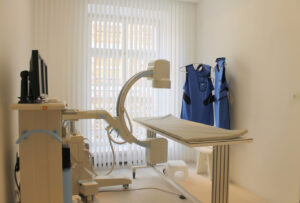
 Munich, Germany
Orthopedic Center of Professor Lill
-
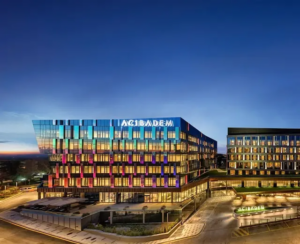
 Istanbul, Turkey
Acibadem Altunizade
-
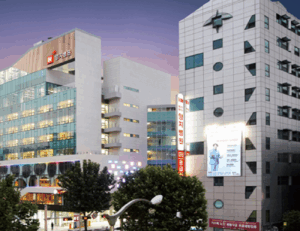
 Seoul, South Korea
H+ Yangji Hospital
-
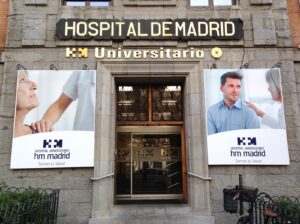
 Madrid, Spain
University Clinic HM Madrid
-
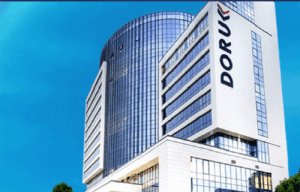 Bursa, Turkey
Doruk Nilüfer Hospital
-
 Istanbul, Turkey
Istanbul Florence Nightingale Hospital
-
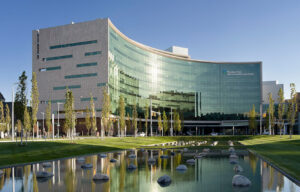
 Ohio, USA
Cleveland Clinic Medical Center
-
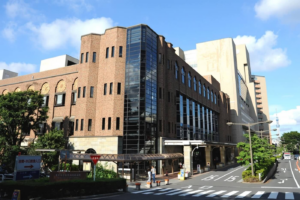
 Tokyo, Japan
The University of Tokyo Hospital
-
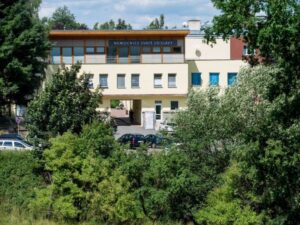
 Velké Meziříčí, Czech Republic
St. Zdislava Hospital