


Sanatorium treatment of gynecological and urological diseases
The health of the genitourinary system largely determines a person’s quality of life. Even outside the acute stage, gynecological and urological diseases affect well-being, activity levels, and confidence in one’s own body.
Sanatorium-resort treatment is an important stage of rehabilitation after the relief of acute inflammation. Natural factors, physiotherapy, and a well-structured daily routine help reduce the severity of residual symptoms, support the functions of the pelvic organs, and prevent recurrent exacerbations.
Indications for Sanatorium and Health Resort Treatment
Sanatorium-resort programs are recommended for the following conditions of the genitourinary system:
- Chronic inflammatory diseases of the pelvic organs
- Conditions after gynecological and urological surgeries
- Circulatory disorders in the pelvic area
- Functional urination disorders (outside of pronounced organic pathology)
- Chronic pelvic pain
- Decreased tone of the pelvic floor muscles
- Conditions after long-term drug therapy requiring a recovery stage
Gynecological and urological diseases often have a protracted course and a tendency to relapse. In such cases, it is important not only to relieve symptoms. It is necessary to create conditions for reducing background inflammation and restoring normal processes. The resort treatment format is well-suited for solving such problems: health centers have all the conditions for maximum immersion in a therapeutic environment.
Methods of sanatorium treatment for gynecological and urological diseases
To recover from diseases of the genitourinary system, the following methods are most often used:
Physiotherapy
Physiotherapy methods are used after the treatment of the acute stage of the disease. Their task is to support blood circulation in the pelvic area, reduce congestion, and help tissues recover from inflammatory processes or surgical interventions.
For this purpose, the following may be used:
- magnetic therapy on the pelvic area
- laser therapy
- ultrasound therapy
- electrophoresis with medicinal solutions as prescribed by a doctor
- SMT-therapy or other types of currents in a gentle mode
- electrical stimulation of the pelvic floor muscles when tone is reduced
These methodologies are prescribed strictly individually and carried out as a course. They are used when it is important to consolidate the effect of the main therapy.
Mud therapy and water procedures
The heat and mineral composition of therapeutic mud improve local blood circulation and restore natural processes in the body. This is especially important for the pelvic organs, as many chronic conditions are associated with congestion and slow tissue regeneration.
Water procedures complement this approach. Sanatoriums use various types of therapeutic baths, including mineral, carbon dioxide, and hydrogen sulfide baths. Hydrogen sulfide baths are considered the most effective for diseases of the genitourinary system. They are often included in programs for conditions such as chronic adnexitis, endometritis, prostatitis, and cystitis (outside the acute phase).
Therapeutic exercise and movement
Long-term activity limitation, a sedentary lifestyle, or forced rest after treatment always lead to deterioration of blood supply to the pelvic organs and weakening of muscular support. Therapeutic exercise can gradually restore tone to the body.
A therapeutic exercise program may include:
- exercises for the pelvic floor muscles
- elements of general strengthening gymnastics
- breathing techniques
- work on posture and core
These types of exercises engage deep muscle groups that often remain inactive in daily life but directly affect the health of the genitourinary system.
The format of the exercises also plays an important role. At resorts, therapeutic exercise often extends beyond the gym. Walks in picturesque areas, outdoor activities, and movement in a calm natural environment become part of the program.
Additional support is provided by the resort’s climate. Sea, mountain, or forest air (depending on the location) promotes relaxation and reduces overall tension. This is very important for normalizing hormonal levels, which often suffer in gynecological diseases. The calm environment and measured daily rhythm help restore balance both physically and psycho-emotionally.
TOP countries for the treatment of genitourinary system diseases
Hungary
Hungary is a unique place in terms of its natural resources. It concentrates over a thousand thermal springs, with varying water temperatures and mineralization.
To support the pelvic organs, thermal water is used in the form of baths, pools, and local procedures (e.g., irrigations). The constant temperature and natural mineralization create conditions for gentle warming of tissues and improved blood supply to problem areas. This is especially important during the recovery period and in chronic, often relapsing, disease courses.
Sanatorium programs in Hungary include procedures with thermal water, combined with physiotherapy methods, therapeutic exercise, and walks in the local surroundings.





Italy
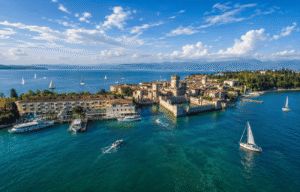
Italy is valued for its diversity of natural factors. Depending on the resort’s location, vacationers can enjoy both sea views and beautiful thermal springs.
In Italy’s coastal regions, the seaside environment plays a significant role. Sea air, moderate humidity, and the absence of sharp temperature changes are ideal for deep relaxation and recovery of the body. Guests at such resorts engage in outdoor physical activities: swimming in the sea, aqua aerobics, and walks along the coast. The healing resources of the sea are also used. Muds, algae, and salt water are often applied in the form of wraps and compresses.
At thermal resorts (e.g., Abano Terme and Montecatini Terme), recovery programs necessarily include warm baths and pools with thermal water. They are indispensable for reducing muscle tension, improving blood circulation, and supporting tissue regeneration.



Turkey
At Turkish resorts, health improvement is built around physical relaxation and work with chronic tension, which often accompanies diseases of the genitourinary system.
A special place is occupied by Eastern practices, such as the hammam. Its gentle heat, steam, and gradual warming help relax muscles, increase blood flow, and relieve discomfort and spasms.
Programs are complemented by massage and body techniques aimed at overall relaxation and recovery. Combined with the warm climate, the absence of sharp temperature changes, and the calm rhythm of resort life, this creates conditions where treatment proceeds as comfortably as possible.




Czech Republic
In the Czech Republic, drinking cures play a key role in recovery from illnesses. They are used primarily to support the functions of the urinary system and metabolic processes. Due to the different composition of the water, drinking cures can have various effects. For example, some reduce inflammation, while others normalize excretory function. Such procedures help prevent exacerbation of diseases and avoid discomfort and pain associated with the urinary system.
An important feature of the Czech sanatorium format is the strict structure of the programs. The day is organized so that drinking cures, medical procedures, physical activity, and rest alternate in stages.




Hospitality MedService cooperates exclusively with trusted resorts, clinics, and hotels offering all the conditions for a quality recovery. We assist in selecting the most suitable destination and program, based on diagnosis, goals, and personal preferences.