


Sanatorium treatment of dermatological diseases
Dermatological diseases — this is a broad range of skin conditions, many of which have a chronic course and require a comprehensive treatment approach. The most well-known include dermatitis, eczema, psoriasis, fungal skin infections, and allergic reactions.
The onset and exacerbation of dermatological conditions are typically associated with a combination of factors. For example, dermatitis often has a seasonal nature: during winter, skin condition can significantly worsen. Dry air in heated indoor environments disrupts the natural processes of skin nourishment and regeneration, leading to itching, peeling, and redness. In eczema, worsening skin condition is often linked to stresses, neuroses, and changes in habitual lifestyle.
Attempts to independently manage flare-ups rarely lead to lasting results. Most treatments are symptomatic and do not address the underlying cause. Furthermore, long-term use of hormonal medications may cause dependency, reduce treatment effectiveness, and provoke disease recurrences.
The role of resort factors in the treatment of dermatological diseases
Resort factors play an important role in the treatment of dermatological conditions in sanatorium settings. Climate, clean air, and natural therapeutic resources — mineral waters, muds, and thermal springs — create optimal conditions for skin restoration in chronic diseases and seasonal exacerbations. Such exposure reduces inflammation, alleviates itching, and promotes the natural regeneration of the skin.
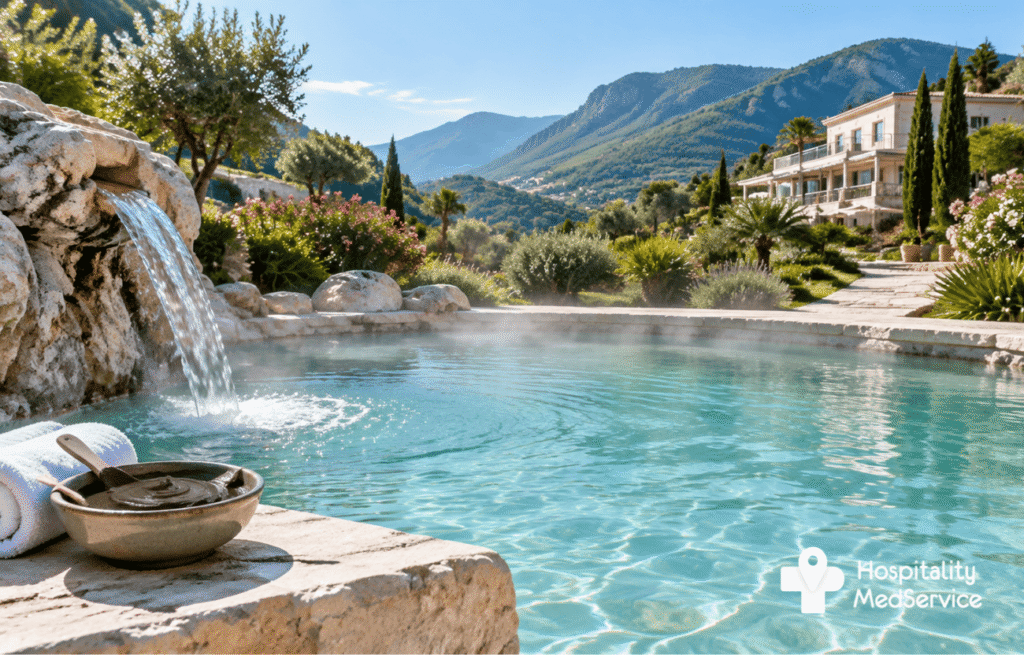
Particular significance is attributed to climatic conditions: moderate humidity, controlled sun exposure, and sea air. Maritime climate, rich in iodine and bromine, has anti-inflammatory and calming effects, which are especially important in psoriasis and atopic dermatitis.
Additional therapeutic benefits are achieved through the use of medicinal muds and mineral waters within sanatorium and medical programs. Procedures performed using modern equipment and under supervision help restore the skin’s protective functions, improve overall health, and achieve stable remission. Sanatorium treatment programs are developed for the following dermatological conditions:
- psoriasis
- atopic dermatitis (eczema)
- dermatitis of various etiologies (contact, seborrheic)
- fungal and yeast skin infections
- acne, post-acne scars, and scar changes
- urticaria and other allergic conditions
- diseases related to abnormal skin keratinization (hyperkeratosis)
Sanatorium treatment methods for skin conditions
Patients with chronic skin conditions are well aware that sanatorium and resort treatment is one of the most effective ways to prevent exacerbations. Wellness programs aimed at restoring skin functions help stabilize the condition and extend remission periods. Typically, the course lasts at least 14 days.
When planning sanatorium treatment, it is necessary to consider several contraindications. These include acute phases of the disease, severe somatic and systemic pathologies — including oncological processes, infectious diseases, pregnancy and lactation periods, as well as recovery periods after injuries and surgical interventions.
Sanatoriums and health centers employ comprehensive treatment programs for dermatological diseases that combine the use of natural therapeutic factors and modern medical methods. This approach allows targeting not only external manifestations of the disease but also its underlying mechanisms, ensuring more stable and predictable outcomes.
Mud applications
Mud applications are one of the most effective methods of sanatorium treatment for skin diseases. Their use stimulates metabolic processes and reduces inflammation. Therapeutic mud possesses antimicrobial and healing properties, making it a particularly valuable component of comprehensive dermatological therapy.
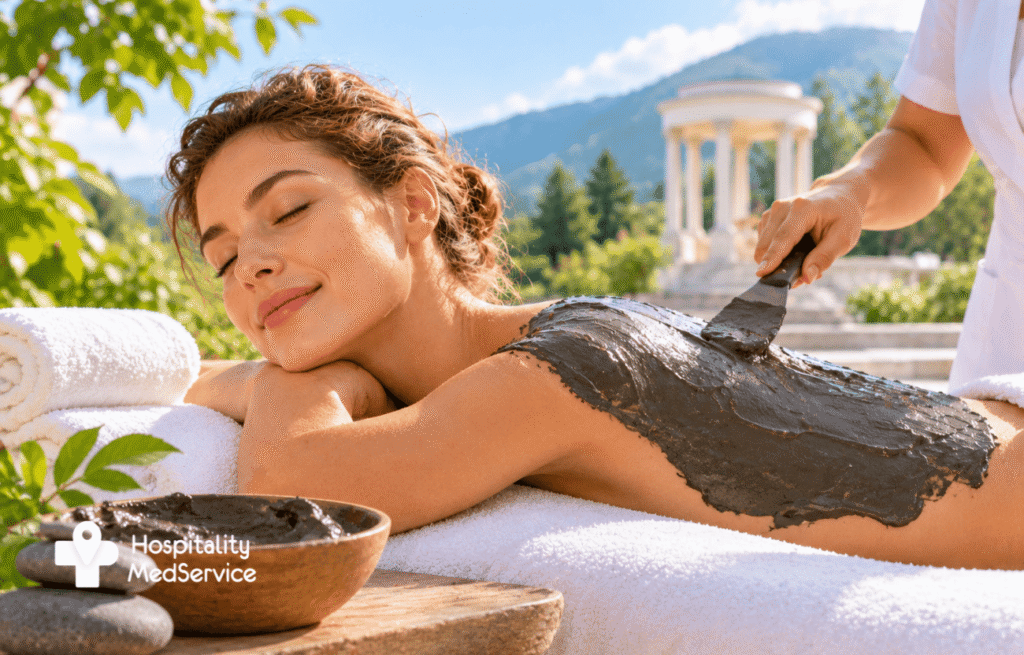
The standard course of mud applications includes from 5 to 15 sessions. The procedure is conducted in several stages:
- preparation of mud — natural muds are heated to an optimal temperature (usually from 38 to 42 degrees Celsius) to ensure comfort and therapeutic effect;
- application — warm mud is evenly applied to affected areas or the entire body, depending on the prescribed course;
- exposure — the application remains on the skin for 15 to 30 minutes, during which metabolic processes are activated, blood vessels dilate, and circulation and tissue nourishment are improved;
- massage — during the application, a light massage is performed, which promotes better penetration of beneficial substances and enhances blood flow;
- completion — the mud is carefully removed with warm water, after which moisturizing or nourishing agents are applied to the skin.
Thermal and mineral water procedures
Thermal and mineral water procedures are important components of sanatorium treatment, exhibiting pronounced therapeutic effects in dermatological diseases. These procedures include baths, showers, and individual hydrotherapy methods. Sometimes, mineral water drinking courses are prescribed at sanatoriums.
The use of thermal water for skin diseases provides:
- soothing effects: warm mineral waters help reduce itching, decrease inflammation, and relieve skin irritation due to their gentle, relaxing properties;
- improved blood circulation: hydrotherapy dilates blood vessels, stimulates microcirculation, accelerating the delivery of nutrients and the removal of toxins from skin cells;
- disinfection and regeneration: mineral water contains iodine, bromine, sulfur, and other components with antimicrobial and anti-inflammatory properties that promote healing of damaged areas and restore skin structure;
- general body strengthening: thermal water contributes to increased immunity and reduction of exacerbations in chronic skin conditions.
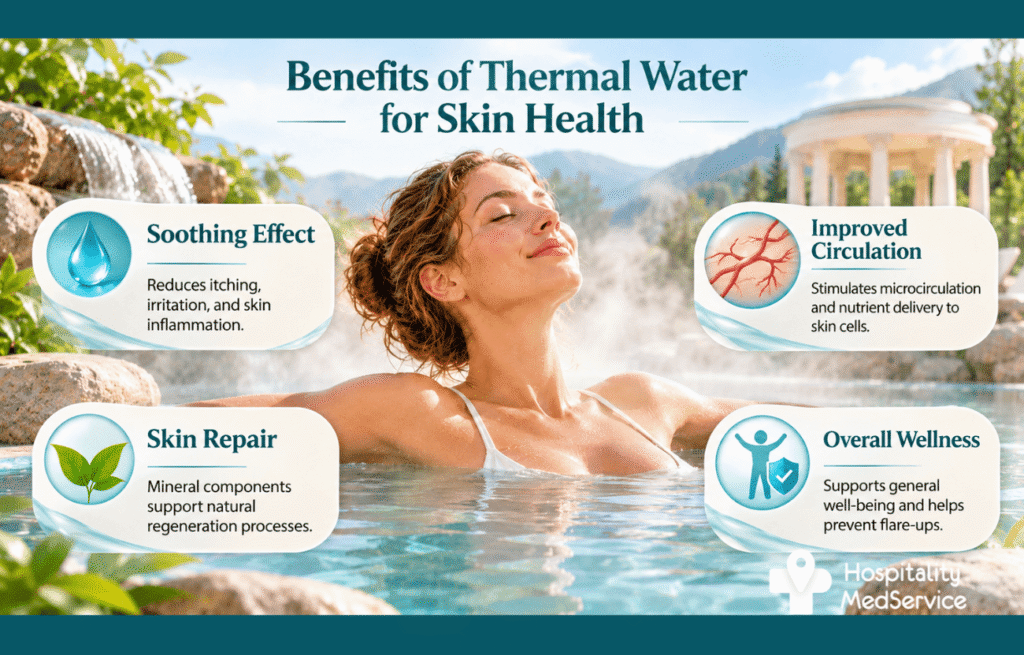
As a result of regular courses of thermal and mineral procedures, the skin becomes less inflamed, itching and discomfort decrease, and the overall condition of the skin improves over a long period. Each resort has its own mineral profile. For example, in Italy, sources rich in sulfur, iodine, bromine, and calcium are common, which are effective in treating psoriasis and eczema. In Hungary, waters contain bicarbonate, which helps with atopic dermatitis by reducing inflammation and alleviating itchy symptoms. In Greece, for example at the Kamena Vourla resort, thermal waters containing sulphur compounds are used in spa treatment programmes for skin conditions, including eczema.
Phototherapy
Phototherapy is a method of therapeutic exposure to ultraviolet (UV) radiation, widely used in sanatorium and resort settings for the treatment of various skin diseases. The procedure involves selecting a specific wavelength of UV rays directed at affected skin areas.
The application of this method ensures a reduction of inflammation, which is particularly important in psoriasis, dermatitis, and eczema. It exerts an antimicrobial effect, as UV radiation destroys pathogenic microorganisms on the skin surface and within its pores, reducing infectious complications. Natural immune responses are activated, leading to a decrease in allergic reactions and skin hypersensitivity.
It is important to undergo a course of phototherapy in sanatoriums because it offers several advantages:
- procedures are carried out under the supervision of specialists, taking into account the individual characteristics of the patient;
- the use of gentle and adjustable doses minimizes the risk of side effects;
- phototherapy is integrated into a health improvement program, which promotes not only symptomatic relief but also long-term remission and overall health enhancement.
The most popular countries where phototherapy procedures are conducted in health centers are Italy, France, and Hungary. This method is especially frequently used for dermatitis and psoriasis.
Massages and physiotherapeutic procedures
Massages and physiotherapeutic procedures are important components of comprehensive treatment for skin diseases in medical resort centers. They exert a relaxing and regenerative effect, contributing to the improvement of skin condition and overall health. As a rule, a massage course is included in each health improvement program.
Physiotherapeutic procedures are used for:
- improving blood circulation: massages stimulate blood flow in the skin and subcutaneous tissues, which promotes better nourishment of cells, accelerates the removal of toxins, and enhances metabolic processes;
- reducing inflammation and itching: gentle massage movements help calm inflammatory processes, relieve itching, discomfort, redness, and skin flaking;
- general anti-stress effect: massages improve psycho-emotional state, reduce stress levels;
- accelerating skin regeneration: physiotherapeutic procedures such as magnetotherapy, ultrasound, or electrophoresis stimulate healing processes, normalize metabolism, and promote cell division.
Procedures involving massage and physiotherapy, combined with medication and diet, help significantly improve skin condition, reduce disease manifestations, and enhance quality of life.
Diet therapy and vitamin courses
Diet therapy and the intake of vitamin courses provide a comprehensive approach to the treatment of skin diseases in sanatoriums.
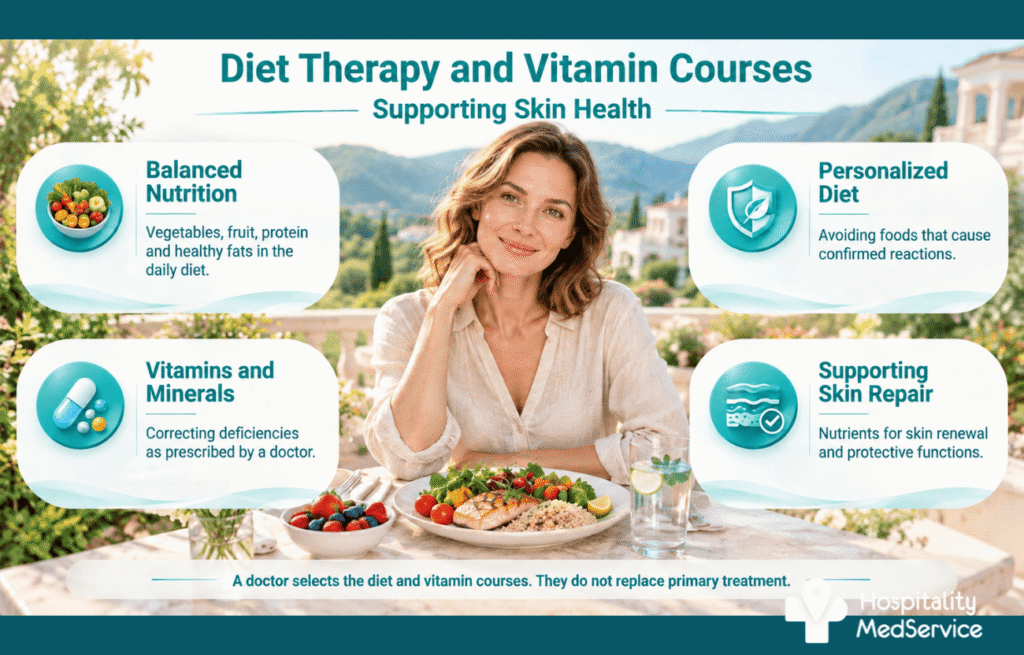
Thanks to a balanced diet, factors that cause or exacerbate skin manifestations (allergens, products high in sugar, fats, or artificial additives) are eliminated. The diet involves properly selected nutrition rich in vegetables, fruits, products containing antioxidants, and anti-inflammatory components. As a result, inflammation decreases, skin condition improves, and itching and flaking are reduced.
Thanks to vitamin courses, the body is enriched with vitamins (especially A, E, C, B-complex) and trace elements (zinc, selenium), which lead to strengthened immunity and skin healing. Vitamins and trace elements participate in collagen synthesis, regenerative processes, and immune system restoration. As a result, damaged skin areas heal, inflammation decreases, and recurrences are prevented.
The top countries for sanatorium treatment of dermatological diseases
Sanatorium treatment of skin conditions is practised in many European countries. Hungary, Iceland, France and Italy stand out for their combination of natural therapeutic factors, modern medical facilities and well-developed treatment infrastructure. Each country relies on its own methods and natural resources. Below is an overview of the resorts worth considering and the therapeutic factors to look out for.
Sanatorium treatment of skin conditions in Hungary
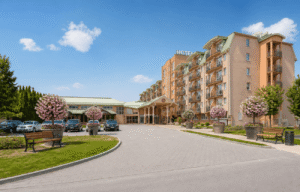
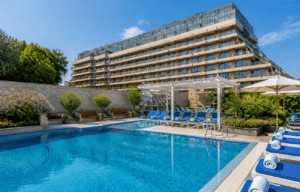
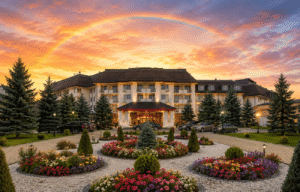
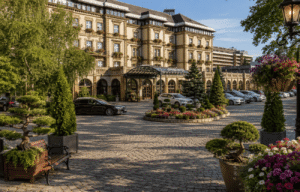
Hungary is the premier destination for the treatment of dermatological diseases at resorts. This is ensured by its rich natural factors: mineral waters, muds, and a favorable climate create unique conditions for anti-inflammatory, regenerative, and immunostimulatory effects.
Hungarian thermal waters are rich in minerals: bicarbonates, sulfates, iodine compounds, bromides, and sulfides. These waters have healing, restorative, and antibacterial effects, which help reduce inflammation, cleanse the skin, and accelerate the healing of damaged areas.
Lakes and mineral muds, rich in trace elements such as sulfides, iodine, and bromine, are used in mud applications and baths. They stimulate blood circulation and have bactericidal effects, which are especially beneficial for psoriasis, dermatitis, and eczema.
An additional positive factor is the favorable climate. Fresh air, infused with the aromas of plants and coniferous forests, has a calming effect and helps to reduce stress, which often worsens skin conditions. Moreover, all procedures in medical centers are carried out using modern equipment by qualified specialists, making the treatment process safe and highly effective.


Sanatorium treatment of skin conditions in Iceland
Iceland is a unique country with a rich natural heritage and medicinal resources, ideal for comprehensive treatment of dermatological diseases. Thanks to its clean air, mineral-rich waters, and thermal springs, spa treatment in Iceland becomes an effective and pleasant procedure for those struggling with skin issues.
Natural factors such as volcanic salts and hot springs contribute to skin restoration, reduce inflammation, and accelerate cell regeneration. As part of spa programs, patients receive individualized therapy courses, including mud and water procedures, as well as modern cosmetological methods.
Additionally, Iceland’s special microclimate helps alleviate symptoms of atopic dermatitis, psoriasis, and other chronic skin conditions. In combination with professional medical support, such courses significantly enhance quality of life and restore skin health.
Blue Lagoon — a world-famous geothermal resort in Iceland, renowned for its mineralized waters with healing properties. Here, dermatological diseases are treated using the unique health benefits of natural sapropel and waters rich in sulfates, silicon, and iodine. Procedures include hot water baths, mud applications, and natural ultraviolet radiation.


Sanatorium treatment of skin conditions in France
In France, the treatment of dermatological diseases is based on the use of natural mineral resources, muds, and phototherapy methods, which promote skin regeneration, reduce inflammation, and support long-term remission.
In the region of Vichy, for skin conditions, therapeutic muds and mineral waters rich in sulfates and iodine are used in health procedures. This combination of trace elements is particularly effective for psoriasis, eczema, and allergic eruptions.
In marine resorts, phototherapy, ultraviolet treatment, and mud baths are utilized. These procedures help reduce symptoms of atopic dermatitis and psoriasis, improve overall skin condition, and strengthen immunity.


Sanatorium treatment of skin conditions in Italy
Italy is distinguished by a wide variety of mineral waters and a long-standing tradition of their use in treating skin diseases. In the regions of Tuscany, Tyrol, and Lake Garda, healing mineral waters rich in sulfates, silicon, and iodine, as well as muds, are utilized to help reduce inflammation, itching, and accelerate skin regeneration.
In addition to standard methods, Italian resorts employ unique procedures for treating dermatological conditions:
- Pelo-therapy — treatment with volcanic ashes or mineral mud, which possess antioxidant and anti-inflammatory properties. For example, therapeutic mud is widely used in the Euganean thermal district of the Veneto region, around Abano Terme and Montegrotto Terme, for psoriasis and eczema.
- Api-therapy — treatment with honey and bee products, used in spa complexes to strengthen the immune system and improve skin condition.
Phototherapy — the use of controlled ultraviolet radiation to reduce symptoms of psoriasis, atopic dermatitis, and other inflammatory diseases is broadly applied in Italy. For instance, in Tuscany, there are specialized medical centers where courses are conducted under the supervision of qualified specialists.
Primorsky regions of Italy offer another advantage — a mild climate that reduces nervous tension and stabilizes the functioning of the entire body, enhancing immunity and resistance to allergic reactions.
-
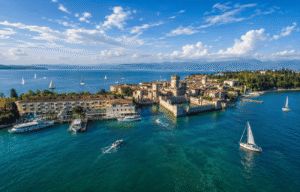
 Sirmione, Italy
Grand Hotel Terme 5*
-
 Ischia, Italy
Regina Isabella Resort Spa Restaurant 5*L
-
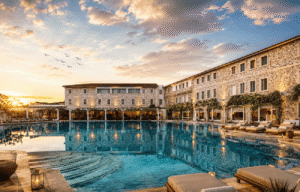 Tuscany, Italy
Terme di Saturnia Natural Destination 5*
-
 Tuscany, Italy
Bagni di Pisa Palace & Spa 5*
-
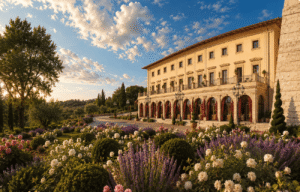 Tuscany, Italy
Fonteverde Lifestyle & Thermal Retreat 5*
-
 Tuscany, Italy
Adler Spa Resort Thermae 5*
-
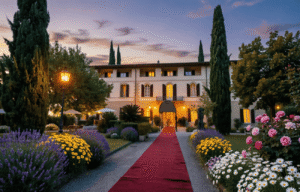 Tuscany, Italy
Grotta Giusti Thermal Spa Resort Tuscany 5*
Frequently Asked Questions
Health resort programmes may be suitable for chronic skin conditions, including psoriasis, atopic dermatitis, eczema and certain types of dermatitis. Depending on the diagnosis, recommended treatments may include mineral and thermal baths, therapeutic mud treatments, phototherapy and other procedures.
Yes, as part of a comprehensive treatment plan. A health resort course does not cure psoriasis, but it can help manage symptoms. A programme usually lasts 14-21 days, with treatments selected by the resort doctor according to the type and severity of the condition and adjusted based on the patient’s tolerance. Treatment prescribed by a dermatologist should be continued, and the recommended skincare routine should be maintained after returning home.
Mineral baths, certain types of physiotherapy and other treatments aimed at reducing itching and skin irritation may be recommended for eczema and atopic dermatitis. Phototherapy may also be used in some cases. The programme depends on the severity of inflammation, the condition of the skin barrier and the individual’s tolerance of the treatments.
If symptoms are severe, an infection develops or the patient’s general condition deteriorates, the trip is usually postponed until the condition has stabilised. However, it is not always necessary to wait until complete remission: a programme may be undertaken when the condition is stable, even if some symptoms persist.
Health resort programmes for skin conditions are available in Hungary, Iceland, France and Italy. Resorts offering relevant treatments can also be found in the Czech Republic (Karlovy Vary, with its local mineral salts, and Mariánské Lázně, with peat mud treatments), Turkey (sulphur mud baths in Bodrum and thermal waters in Izmir), Switzerland (the sulphur-rich waters of Yverdon-les-Bains) and Spain (natural thermal pools in Estepona). The specialists at Hospitality MedService can help you choose a destination and a wellness programme.
Hospitality MedService works only with trusted resorts, clinics, and hotels that provide everything needed for high-quality treatment and wellness. We will help you choose the best destination and program based on your diagnosis, goals, and personal preferences.
Leave a request for a free consultation.
A coordinator will contact you as soon as possible

*Illustrations in this article are created using artificial intelligence and are for illustrative purposes only. These images are not photographs of specific resorts, clinics, doctors, or patients, but are used to visually represent the procedures and treatment areas described.