


Sanatorium treatment of respiratory system diseases
Respiratory system diseases significantly affect daily life. Shortness of breath, a feeling of air deprivation, and rapid fatigue limit physical activity and reduce quality of life even outside of exacerbation periods. Over time, individuals are compelled to avoid exertion, which further weakens respiratory muscles and only worsens the condition.
Sanatorium and resort treatment aims to ease breathing and support lung function during the recovery period. In the resort environment, a comprehensive effect is created through climate factors, inhalation procedures, breathing exercises, and a structured daily regimen. Even after returning home following a 10-14 day wellness course, patients report significant relief of breathing difficulties and a reduction in the recurrence of chronic diseases.
Indications for sanatorium-resort treatment
Sanatorium programs are especially beneficial for the following conditions of the respiratory system:
- Chronic bronchial and lung diseases — chronic bronchitis, COPD, bronchial asthma outside of exacerbation.
- Conditions following respiratory infections, such as pneumonia, or when residual signs are present.
- Frequent respiratory infections in individuals with decreased respiratory system resilience and a tendency for prolonged recovery.
- Allergic respiratory diseases — allergic rhinitis, bronchial hyperreactivity outside of the acute phase.
- Reduced physical activity tolerance related to breathing — shortness of breath, shallow breathing, rapid fatigue.
- Recovery after a long period of inactivity when respiratory muscles are weakened due to illness or activity limitations.
Improvements are facilitated not only by specially selected treatments conducted in sanatoriums but also by the environment surrounding the guests.
The quality of air plays a crucial role. Marine, mountain, or forest climates reduce the concentration of irritant impurities and make breathing easier. In such conditions, breathing becomes deeper, lung ventilation improves, and recovery after exertion occurs faster. An important factor is that guests spend most of their time outdoors rather than indoors. Walks through natural landscapes strengthen respiratory muscles and gradually increase tolerance to daily activities.
Methods of sanatorium rehabilitation for respiratory system diseases
Sanatorium programs for people with respiratory system diseases are structured comprehensively and include several mutually complementary methods. Their goal is not just to relieve symptoms, but to create conditions in which the respiratory system gradually restores its functions.
Methods of physiotherapy
For respiratory system issues, inhalations, hardware techniques, and specialized therapeutic massage are most commonly prescribed.
The foundation of most sanatorium programs is inhalation procedures. These are one of the most direct ways to impact the respiratory pathways. Aerosolized mineral water or saline solutions are delivered directly into the bronchi, humidifying the mucosa and helping to liquefy mucus. As a result, breathing becomes deeper, the feeling of congestion diminishes, and natural clearance mechanisms of the organs are restored.
When recovery is delayed or after inflammation, a sensation of heaviness in the chest persists, hardware physiotherapy methods are incorporated into the program. Their goal is to improve blood circulation in the affected area and create conditions for tissue regeneration. Such procedures help the body transition more quickly from the “recovery” phase to a stable state.
Therapeutic massage for respiratory diseases is performed focusing on the chest, back, and shoulder girdle areas (regions directly connected with respiratory muscles). Massage enhances blood flow, relieves muscle tension, and facilitates mucus removal. When combined with breathing exercises, it helps make respiration freer and more rhythmic.
Breathing exercises and therapeutic physical training
In respiratory diseases, a person may subtly change their habitual breathing rhythm. Breathing becomes shallow, intermittent, and the chest moves less than before. Over time, this begins to be perceived as normal, although in reality, the lungs simply cease to be fully used.
At resorts, breathing gymnastics gradually restores the sensation of free breathing. Classes start with simple exercises aimed at diaphragmatic work and prolonging exhalation. These are necessary to reduce tension, make breathing deeper and more even, and improve ventilation of the lower parts of the lungs.
As adaptation progresses, specialists usually incorporate movements and therapeutic physical exercises. Exercises are performed at a relaxed pace, often outdoors, helping to synchronize the work of respiratory muscles with body movements. As a result, the feeling of shortness of breath during normal activity decreases, and confidence in one’s capabilities increases.
Water and speleotherapy procedures
In sanatorium treatment of respiratory diseases, water is used as an active element of respiratory rehabilitation. The positive effect is especially noticeable at resorts where water procedures take place in natural environments — by the sea or at thermal springs.
For example, in seaside resorts in France, Spain, and Portugal, programs often include activities in pools with warmed seawater. Its density and pressure create gentle resistance to breathing, prompting the chest to work more actively. Breathing becomes deeper, and the lungs are better ventilated. Such procedures are particularly beneficial after inflammatory illnesses, when it is important to restore lung volume without stressing joints or the cardiovascular system.
A special place in respiratory programs are speleotherapy sessions. These are actively practiced in Central Europe — such as in the Czech Republic, Slovenia, and Austria. Sessions typically take place in salt caves or specially equipped speleochambers, where a stable microclimate is maintained. The air here is rich in tiny salt particles, which positively influence local and overall immunity.
Combined with water methods, speleotherapy provides a gentle recovery program for respiratory function, especially during rehabilitation after illnesses.
Sea, mountain, and forest resorts are especially valued. Mountain climates are characterized by reduced allergens and drier air, which can be helpful for those prone to inflammation. Forested areas create a calm, oxygen-rich environment, making breathing deeper and more even.
TOP countries for respiratory health improvement
Hungary
Hungary is renowned for its thermal springs. There are over a thousand of them, with a wide range of temperatures and mineralization levels.
Therapeutic programs are designed so that the person spends most of the day in a health-promoting environment: pools with thermal water alternate with walks through picturesque locations and gentle physical activity. Due to the influence of water and clean air, the chest works more actively, and breathing becomes deeper.
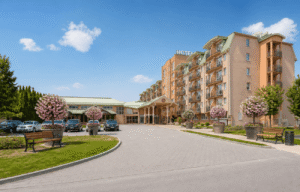
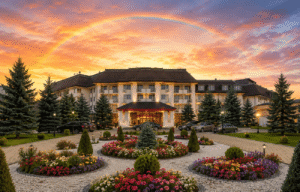
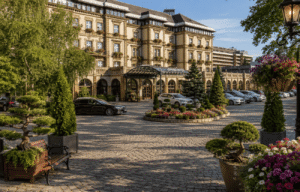
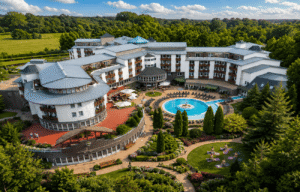
Visitors to Hungary, who come for treatment or health improvement, particularly appreciate sanatoriums at resorts in Budapest, Heviz, Bük-Bükkfürdő, and Szarvár. Budapest is one of the few capitals in the world where thermal baths are located directly within the city environment. They are adjacent to parks and the Danube embankments, making recovery easy to combine with leisurely walks. Such recreation is preferred by those who want to maintain their usual rhythm of life but still achieve a full sanatorium effect.
Héviz offers a completely different experience. This resort developed around Europe’s largest natural thermal lake, which does not cool down even in winter. It is surrounded by beautiful green areas with humid, warm air, immersing its guests in an atmosphere of tranquility and solitude.


Italy
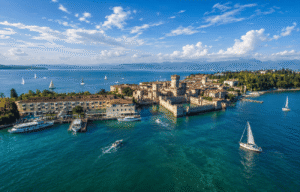
The main goal of sanatorium treatment in Italy is the gentle and gradual return of the patient to a lighter, more active, and comfortable lifestyle. Sanatoriums specializing in respiratory organ recovery are concentrated in regions such as Tuscany, Abano Terme, Sirmione, and Marina di Castañetto-Carducci.
Coastal sanatoriums in the region often utilize natural marine resources. Therapeutic programs include swimming in open waters, inhalations with seawater, climatotherapy, and warm mineral baths aimed at improving respiratory function and overall well-being.
One of the most popular seaside resorts is Tuscany. It features a mild and stable climate without sudden temperature fluctuations. These conditions allow visitors to spend a significant part of the day outdoors without risking negative reactions from the body. The sea air of Tuscany contains tiny salt aerosols that help clear the respiratory passages and ease mucus expectoration when inhaled.
The resort town of Abano Terme is known for its thermal springs. It frequently serves as a rehabilitation destination for patients after prolonged bronchopulmonary diseases and inflammatory processes. The main methods of sanatorium programs include thermal baths, physiotherapy, and breathing exercises aimed at gradually strengthening the respiratory system.
TOP Hotels



Czech Republic
Czechia is rightfully popular among those seeking therapeutic vacations. It has its own unique medical approach to health improvement and rehabilitation.
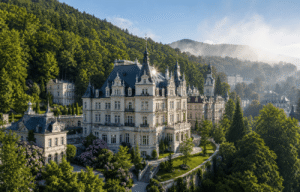
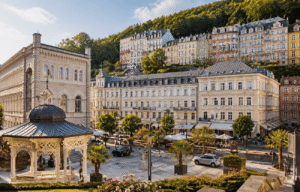
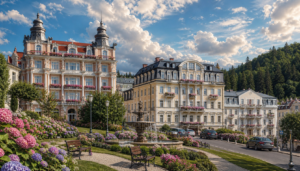
Czech spa treatment has historically developed not merely as a form of leisure with health-improving elements but as an extension of clinical therapy. Consequently, many resorts (for example, Karlovy Vary and Mariánské Lázně) base their treatment of respiratory diseases on clear medical protocols. Programs are prescribed only after medical diagnosis, taking into account the disease stage, residual symptoms, and coexisting conditions. This is especially important after bronchitis, pneumonia, and prolonged inflammatory processes, when precise rehabilitation is required rather than just general health improvement.
For visitors with respiratory problems, the core of the sanatorium program usually consists of inhalations with mineral water, drinking treatments, and physiotherapy procedures. Some sanatoriums also include wraps with medicinal herb extracts, which enhance the overall relaxing effect and make procedures more comfortable.
Special attention at Czech resorts is paid to the environment. Colonnades, parks, and neat alleys create a sense of order and tranquility. Walks are conducted along flat routes, without steep climbs. This is important for people whose health condition does not yet allow for intensive exertion but who already wish to begin gentle recovery of physical activity.

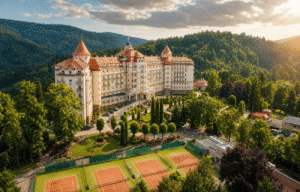
Hospitality MedService cooperates exclusively with trusted resorts, clinics, and hotels offering all the conditions for a quality recovery. We assist in selecting the most suitable destination and program, based on diagnosis, goals, and personal preferences.