


Sanatorium treatment of the musculoskeletal system
After age 45, many people notice that their joints begin to “signal”: morning stiffness, knee pain when walking upstairs, limited spinal mobility, and numbness in the fingers. Sometimes, pain occurs with weather changes or after physical activity. These are not whims of the body but signs that cartilage tissue needs collagen restoration, anti-inflammatory support, and improved blood circulation.
Typical symptoms of musculoskeletal issues include:
- Crunching and clicking sounds in the joints during movement;
- Back pain that worsens by the end of the day;
- Swelling of the joints, especially after exertion;
- Increased pain with atmospheric pressure fluctuations.
European resorts have developed comprehensive programs and specialized methods for musculoskeletal recovery based on natural factors.
Who are sanatorium and spa programs suitable for
For patients with musculoskeletal diseases, it is especially important that treatment and recovery proceed at a measured pace. The mild climate and calm atmosphere of European resorts positively influence the body’s restorative processes. Metabolism improves, and cartilage regeneration processes are activated.
Sanatorium and spa programs are suitable for chronic joint and spinal conditions outside of flare-ups, for recovery after injuries and surgeries, as well as for reduced mobility, pain, and functional limitations associated with a sedentary lifestyle or age-related changes.
Methods of sanatorium rehabilitation for musculoskeletal diseases
The goal of sanatorium programs for musculoskeletal diseases is not just to alleviate symptoms but also to help the body restore joint and spinal functions. To achieve this, resorts utilize a set of proven methods, each tailored to the patient’s health status and doctor’s recommendations.
Water procedures and hydrotherapy
The primary method of sanatorium treatment is hydrotherapy in warmed mineralized water. The patient exercises in the water, which supports body weight and reduces stress on the musculoskeletal system.
To obtain a comprehensive therapeutic effect, resorts employ a three-level water treatment system:
- Mineral baths
Therapeutic effects are based on the mineral composition of the water, which penetrates into joint tissues. Depending on the geographical origin of the source, the therapeutic properties vary.
Hungarian thermal springs contain unique microorganisms that produce substances activating cartilage tissue regeneration at the cellular level.
Czech carbonic sources hold a high concentration of mineral elements and dissolved CO₂, which dilates blood vessels in the joint and improves its nourishment.
Italian thermal springs in Abano contain bromine and iodine in combination with specific microalgae, providing anti-inflammatory action and accelerated cartilage tissue regeneration.
2. Hydromassage and underwater spinal traction
Hydromassage improves lymphatic drainage, helping the body eliminate accumulated inflammatory products from the joint cavity. Directed water jets stimulate the lymphatic system to work more actively.
Underwater spinal traction is essential for unloading intervertebral discs. The water reduces body weight by 50-80%, allowing a specialized mechanical system to gently stretch the spine without the risk of injury or additional compression. This method is indicated for herniated intervertebral discs, spondylosis, radiculopathy, and osteochondrosis with pronounced pain syndrome.
3. Hydrokinesotherapy
This method involves performing exercises in warm mineral water. The restoration of mobility occurs through gradual increase in the range of motion during exercises.
Physiotherapy
For comprehensive restoration of musculoskeletal structures, sanatorium programs necessarily include a physiotherapy component, which is tailored for each patient based on their diagnosis and health condition.
| Method of physiotherapy | Mechanism of action |
| Electromagnetic stimulation | Stimulating impulses activate the neuromuscular system, suppress pain signals, and trigger a local anti-inflammatory response |
| Ultrasound therapy | High-frequency sound waves warm tissues, stimulating blood flow in microvessels and enhancing collagen synthesis |
| Magnetotherapy | Alternating magnetic fields dilate blood vessels in the joints, increasing blood flow and creating an anti-inflammatory effect |
| Laser therapy | Low-intensity laser radiation penetrates tissues, stimulates the repair of damaged cells, and provides anti-inflammatory and analgesic effects |
| TECAR therapy | Radiofrequency energy causes deep tissue heating up to 10 cm, activating the body’s regenerative mechanisms, increasing blood flow, and accelerating collagen synthesis |
| Mechanical spinal decompression | Controlled traction reduces the distance between vertebrae, decreases pressure on intervertebral discs, and relieves compressed spinal nerves |
| Kinesiotherapy | A set of exercises restores joint mobility and stabilizes weakened ligaments |
| Paraffin therapy | A thin layer of paraffin is applied to the joint for deep tissue warming, relaxing spasmed muscles, and improving circulation |
| Cryotherapy | Ice baths and wraps are used during acute inflammation to quickly reduce swelling and pain |
Mud therapy (peloidotherapy)
Mud therapy has been used for thousands of years and has proven effective in treating osteoarthritis, arthritis, and inflammatory spinal diseases. Therapeutic mud contains trace elements (sulfides, iodine, iron, magnesium), organic substances, and beneficial bacteria that penetrate deep into tissues and exert anti-inflammatory effects.
In resorts, mud therapy is almost never performed alone; it is part of a comprehensive program that includes mineral baths, physiotherapy, kinesiotherapy, and manual therapy. The reason is that mud therapy prepares the body for other procedures, enhancing their effectiveness.
In European spa centers, the procedure typically follows a standard scheme: heated mud is applied to the joints or spine for 15-20 minutes, then washed off with hot water, followed by immersion in a mineral bath, after which the patient relaxes.
Physical activity and therapeutic exercise
In musculoskeletal diseases, movement is essential. The main goal of adaptive physical therapy is to gradually help the body regain the ability to withstand daily loads without sharp pain or discomfort.
Patients are often recommended activities such as Nordic walking, yoga, gentle stretching, and Pilates. Over time, exercises in mineral water pools and targeted gymnastics aimed at restoring mobility and strengthening muscles are introduced. This gradual approach allows joints and muscles to engage in work without overload, improving flexibility.
Diet therapy
The recovery of the musculoskeletal system depends not only on procedures but also on nutrition. Excess weight puts additional stress on the joints and spine. Even a few kilograms of excess weight increase pressure on the knees and lumbar region, leading to cartilage destruction and worsening pain.
In European sanatoriums, diet is an integral part of the treatment program. The menu is tailored individually, considering the diagnosis and the patient’s current health status. The calorie content of dishes is calculated to support gradual weight loss without stressing the body. Each meal is balanced in its composition. The menu includes protein sources for collagen synthesis, products containing chondroitin and glucosamine, and healthy fats.
Top countries for musculoskeletal health recovery
Austria
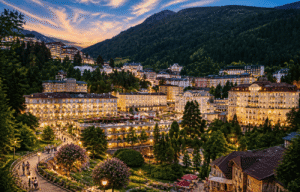
The resorts of the Gastein Valley (Bad Gastein and Bad Hofgastein) are renowned worldwide for their unique radon gallery and 18 thermal springs rich in radon. A session in the gallery lasts 30—40 minutes: the humid warm environment opens pores, allowing radon to enter the body.
Austria is the only country in Europe with natural radon galleries of such concentration. Radon therapy provides a pronounced anti-inflammatory and immunomodulatory effect. Mountain climate and pristine Alpine air further enhance the restorative effect.


Hungary
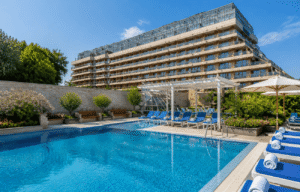
Hungary possesses one of the largest thermal networks in the world thanks to volcanic rocks beneath most of the country.
Lake Heviz is the only natural thermal lake in Europe, maintaining a temperature of +26—35 degrees Celsius year-round. The therapeutic mud has a unique mineral composition. Budapest is known for its radon waters with immunostimulating effects, which are especially effective for rheumatoid arthritis.
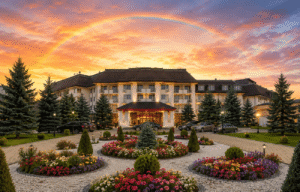
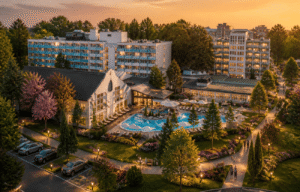
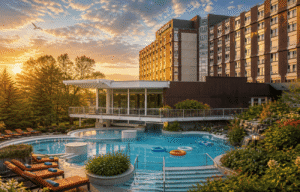
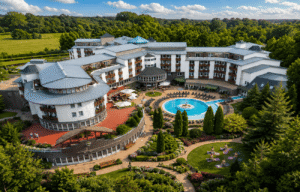
TOP Hotels

Italy
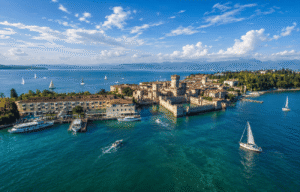
Italy offers a unique combination of volcanic mud, highly concentrated in mineral content, and a mild Mediterranean climate.
Tuscany is known for its geothermal deposits. The therapeutic mud from local sources contains the maximum concentration of trace elements (silicon, sulfur, various minerals) and is considered most effective for chronic arthritis.
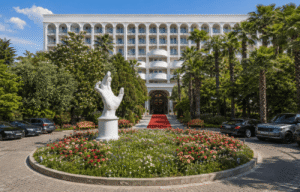
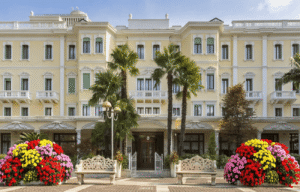
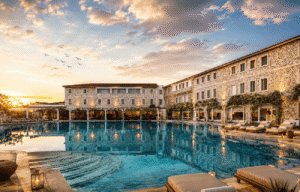
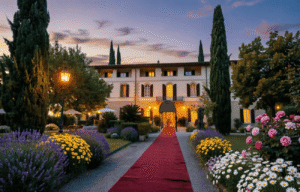
Abano Terme is a city-resort with a millennia-old history. Its main advantage: each hotel has its own thermal water source and mud therapy center. Comprehensive treatment of musculoskeletal disorders includes mud therapy, thermal baths, hydro-kinesitherapy, and massage.
TOP Hotels

Turkey
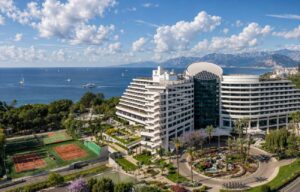
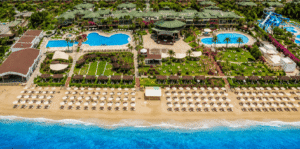
Turkish sanatoriums offer comprehensive programs for orthopedic rehabilitation and sanatorium treatment. The Mediterranean climate, sea air, and sunshine are favorable for restoring the function of the musculoskeletal system.
The uniqueness of Turkish resorts lies in the combination of modern medical rehabilitation with traditional balneotherapy methods. Antalya and Belek are known for their specialized orthopedic rehabilitation centers. Patients after joint and spine surgeries undergo comprehensive recovery using hydrotherapy, physiotherapy, and personalized health enhancement programs.
Czech Republic
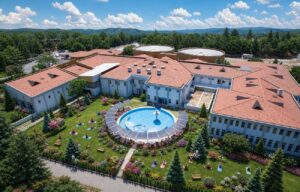
The Czech Republic has over two centuries of history in using mineral springs for the treatment of musculoskeletal diseases.
Karlovy Vary is situated above a deposit of carbonic sources, whose waters have a pronounced vasodilatory effect, improving peripheral circulation, which is important in chronic arthritis. Water treatments include carbonic baths, underwater massage, hydroxeur, and pearl baths, which help improve blood supply and the condition of bone-cartilaginous tissues.
Mariánské Lázně is known for its peat mud — a product of centuries of plant decomposition with a high concentration of organic acids. Peat mud is milder than silt mud and ideal for people with sensitive skin or acute inflammation. Mineral waters contain iron, which helps patients with concomitant anemia, a condition often found in chronic inflammatory diseases.
TOP Hotels
-
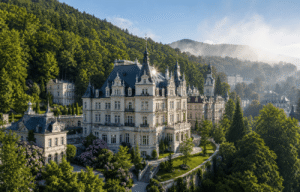

 Karlovy Vary, Czech Republic Savoy Westend Hotel Luxury Medical & SPA Resort 5*
 -
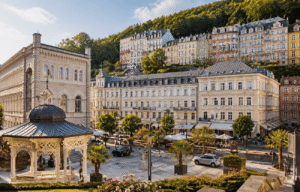 Karlovy Vary, Czech Republic Luxury Spa Hotel Olympic Palace 5*
 -
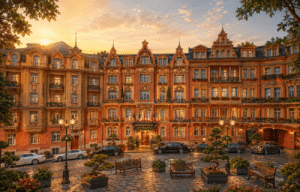 Karlovy Vary, Czech Republic Carlsbad Plaza Medical Spa & Wellness 5*S
 -
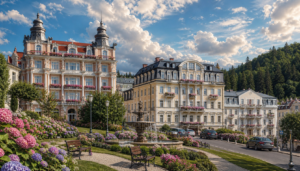
 Mariánské Lázně, Czech Republic Centrální Lázně Health Spa Hotel 4*
 -
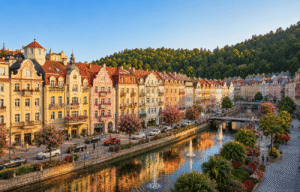 Karlovy Vary, Czech Republic Dvorak Spa & Wellness 4*
 -
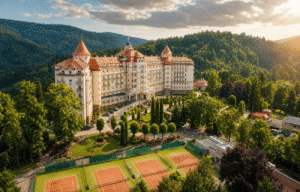 Karlovy Vary, Czech Republic Hotel Imperial 5*
Hospitality MedService cooperates exclusively with trusted resorts, clinics, and hotels offering all the conditions for a quality recovery. We assist in selecting the most suitable destination and program, based on diagnosis, goals, and personal preferences.